It is shameful that governments across the nation cannot provide one of the basic needs - water
The World Health Organisation (WHO) last week warned governments and the international health community that the threat of a cholera outbreak has become a major public concern. Against the background that several states in Nigeria already have cases of cholera which has killed hundreds of people this year alone, this is a warning that should be taken very seriously by the Nigerian health authorities.
To combat the disease, WHO has recommended the use of Oral Cholera Vaccines (OCV) which it said was proving to be an efficient tool to effectively control outbreak. However, it is a big shame that for more than four decades, cholera has been a recurring incident in Nigeria. The disease, which is caused by viriocholerae and can lead to the infection of the small intestine, is mostly contracted through drinking of contaminated water and eating of waste products. The obvious symptoms with cholera are dehydration and vomiting. It can last in the body between two to five days before full manifestation.
Given its root causes, one would have thought that government across all levels would have worked to stem the tide of the disease, but unfortunately that is not the case. While there have been tremendous efforts to prevent cholera by the federal government, we have not seen a corresponding commitment from the state governments. And that is where cholera appears to be ravaging citizens the most.
The first crisis concerning the spread of the disease begins with failure by most state governments to provide potable water for their teeming population. But in addressing the issue, state governments must be held accountable first for such failure. In fact, chances are that the annual security votes for governors in most of the states astronomically surpass budgetary allocations to the provision of clean water for the people. With that sort of systemic collapse in the states, it is therefore little surprise that the country is made to spend more on the treatment of cholera rather than on its prevention.
In most of these cases, many states have abdicated their responsibilities while huge resources that should be deployed for the welfare of the people are now used to service former governors in the name of a corruption-ridden pension and gratuities package. Yet the spread of cholera becomes worse when the environment is not clean; when water system is not treated. The sad part of it is when villagers and rural dwellers are left to rely on streams as the only source of drinking water. Sometimes, they even have to rely on stagnant water for washing of their clothes and other items. It is more acute in rural areas. It becomes more complicated when and where there are no modern medical facilities to assist in the treatment of cholera.

Thus, the outbreak of cholera is purely a complete failure by state governments. The blame should be laid squarely on their door posts. States must therefore do more in providing adequate clean water for the citizens, mostly in the rural areas. The federal government also has to streamline modalities that will train medical staff across the country, in this case not Abuja that can handle the outbreak of cholera. The Federal Ministry of Water Resources also has to expedite action on the provision of water across the states. There should be a synergy between the federal government and the states that is geared towards prevention and treatment of cholera.
To the extent that the world has moved ahead of the era where cholera kills citizens, Nigerian leaders at all levels and healthcare officials must sit up to do the needful. It is a big shame that in this day and age a disease like cholera is still ravaging our people.
By: This Day
ABUJA: Training Schedule for Basic Life Support BLS, Pediatric Advanced Life Support (PALS), Advanced Cardiovascular Life Support ACLS, First Aid, CPR, AED
PORTHARCOURT: Training Schedule for Basic Life Support BLS, Pediatric Advanced Life Support (PALS), Advanced Cardiovascular Life Support ACLS, First Aid, CPR, AED
LAGOS: Training Schedule for Basic Life Support BLS, Pediatric Advanced Life Support (PALS), Advanced Cardiovascular Life Support ACLS, First Aid, CPR, AED
STOP paying for airtime and electricity, Let your phone pay its bills with ScreenT
You may also like
Comrade Lemii Christian Emerges Chairman of NANNM Rivers State Branch in Historic Victory
PORT HARCOURT, NIGERIA Following the long awaited National Association of N…

FG Supports Robotic Surgery Expansion to Reduce Medical Tourism
Nigeria is taking another step toward strengthening specialised healthcare …
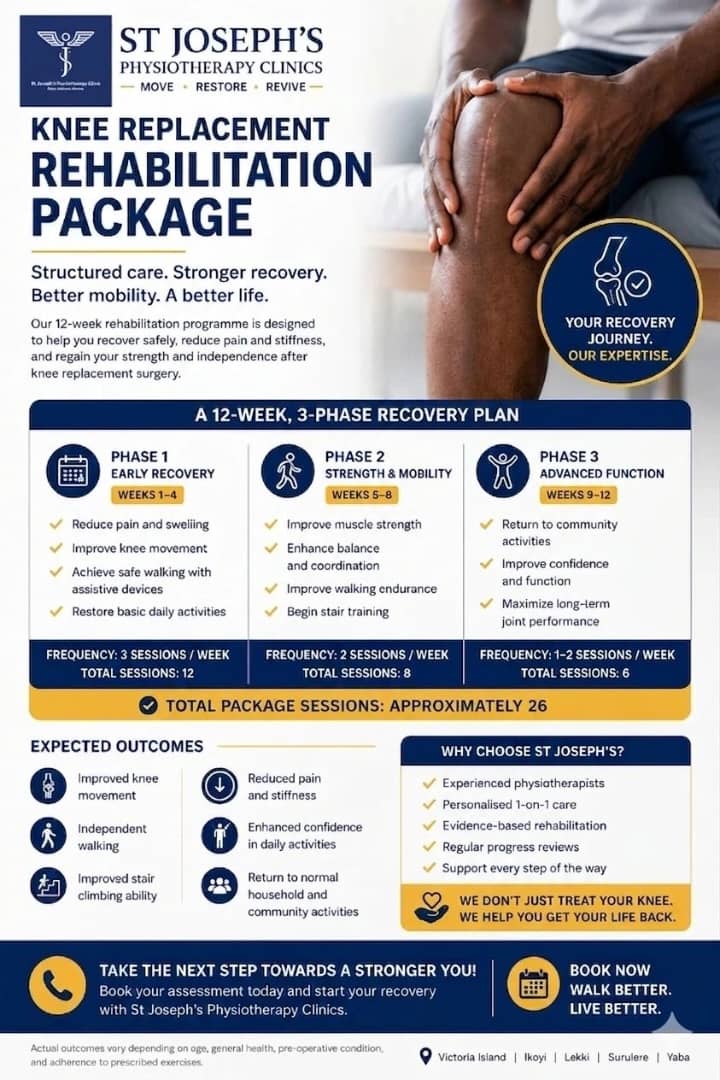
Complete Knee Replacement Rehabilitation Package in Lagos
Knee replacement surgery is a major step toward pain relief and improved mo…

NAMDA threatens strike over unpaid medical lecturers’ allowances
The Nigerian Association of Medical and Dental Academics (NAMDA) has warned…

Resident Doctors Signal End to Strike Threat After High-Level Talks with Gbajabiamila
The threat of a nationwide indefinite strike by the Nigerian Association of…