Nigerian Medical Association Member of Africa Medical Association (AFMA) Commonwealth Medical Association (CMA) and World Medical Association (WMA).
Theme:"FOOD SAFETY"
Being the title of: PRESS STATEMENT
By: Sir Dr. KAYODE OBEMBE President, Nigerian Medical Association
THE WORLD HEALTH DAY Today 7th April 2015
The 2015 World health day is celebrated today the 7th of April, 2015 with the theme 'Food Safety".
Background: Unsafe food is linked to the deaths of an estimated 2 million people (including many children), annually. Food containing harmful bacteria, viruses, parasites or chemical substances is responsible for more than 200 diseases, ranging from diarrhoea to cancers.
New threats to food safety are constantly emerging. Changes in farming, food production, distribution, storage, cooking, and consumption; changes to the environment; new and emerging pathogens; antimicrobial resistance - all pose challenges to national food safety systems. Increases in travel, socialisation. and trade enhance the likelihood that contamination contaminated food can spread internationally.
The theme for World Health Day 2015 is food safety.
As our food supply becomes increasingly globalized via importation and exportation of raw and finished products across nations there is need to ensure food safety. Hence. the theme for this year's World Health Day by WHO is apt and carefully chosen at a time of increasing consumerism, neglect of food safety cardinal principles by food growers such as genetically modified foods, food manufacturers. intensive farming techniques, and pharmaceutical manufacturers.
The WHO is right in helping countries prevent, detect and respond to foodborne disease outbreaks in line with the Codex Alimentarius. a collection of international food standards. guidelines and codes of practice converting all the main foods and processes. It is noteworthy, that together with the UN Food and Agriculture Organization (FAO), WHO alerts countries to food safety emergencies through an international information network.
Five keys to safer food
For the NMA, the World Health Day 2015 provides a sensitization platform for all on the importance of food safety and attempt at defining the roles expected of each segment of the society in ensuring a 'safe food on the plate' of everyone.
The NMA agrees with the idea that Food safety is a shared responsibility and therefore a concerted effort is needed along the production through to the consumption chain via the farmers, manufacturers. transporters, storage team, vendors and consumers.
The Nigerian Medical Association (NMA), the umbrella body of all medical and dental practitioners in Nigeria with membership of over forty five thousand members (45 Thousand). subscribes to WHO's Five keys to safer food offer practical guidance to vendors and consumers for handling and preparing food, namely:
Key 1; Keep clean
Key 2; Separate raw and cooked food
Key 3: Cook food thoroughly
Key 4; Keep food at safe temperatures
Key 5; Use safe water and raw materials.
The achievements of the above shall give a boost to the much desired Universal Health Coverage and efficient Health Insurance System Which the NMA has been championing for Nigerians.
Key facts to note (WHO):
Access to sufficient amounts of safe and nutritious food is key to sustaining life and promoting good health. Unsafe food containing harmful bacteria, viruses, parasites or chemical substances, causes more than 200 diseases - ranging from diarrhoea to cancers. Foodborne and waterborne diarrhoeal diseases kill an estimated 2 million people annually, including many children.
Food safety, nutrition and food security are inextricably linked. Unsafe food creates a vicious cycle of disease and malnutrition, particularly affecting infants, young children, elderly and the sick. Foodborne diseases impede socio economic development by straining health care systems, and harming national economies, tourism and trade.
Food supply chains now cross multiple national borders. Good collaboration between governments, producers and consumers helps ensure food safety.
Major Foodborne illnesses and causes
Foodborne illnesses are usually infectious or toxic in nature and caused by bacteria. viruses, parasites or chemical substances entering the body through contaminated food or water.
Foodborne pathogens can cause severe diarrhoea or debilitating infections including meningitis. Chemical contamination can lead to acute poisoning or long-term diseases, such as cancer. Foodborne diseases may lead to long-lasting disability and death.
Examples of unsafe food include uncooked foods of animal origin, fruits and vegetables contaminated with faces. and raw shellfish containing marine biotoxins.
Bacteria: Salmonella, Campytobacter, and Enterohaemorrhagic Escherichia coli are among the most common foodborne pathogens that affect millions of people annually -sometimes with severe and fatal outcomes. Symptoms are fever, headache, nausea, vomiting, abdominal pain and diarrhoea. Examples of foods involved in outbreaks of salmonellosis are eggs, poultry and other products of animal origin. Foodborne cases with Campylobacter are mainly caused by raw milk, raw or undercooked poultry and drinking water. Enterohaemorrhagic Escherichia coli is associated with unpasteurized milk, undercooked meat and fresh fruits and vegetables.
Listeria infection leads to unplanned abortions in pregnant women or death of newborn babies.
.jpg)
Although disease occurrence is relatively low, listeria's severe and sometimes fatal health consequences, particularly among infants, children and the elderly, count them among the most serious foodborne infections. Listeria is found in unpasteurised dairy products and various ready-to-eat foods and can grow at refrigeration temperatures. Vibrio cholerae infects people through contaminated water or food. Symptoms include abdominal pain, vomiting and profuse watery diarrhoea, which may lead to severe dehydration and possibly death. Rice, vegetables, millet gruel and various types of seafood have been implicated in cholera out breaks. Antimicrobials, such as antibiotics, are essential to treat infections caused by bacteria. However, their overuse and misuse in veterinary and human medicine has been linked to the emergence and spread of resistant bacteria, rendering the treatment of infectious diseases Ineffective in animals and humans. Resistant bacteria enter the food chain through the animals (e.g. Salmonella through chickens). Antimicrobial resistance is one of the main threats to modern medicine.
Viruses: Norovirus infections are characterized by nausea. explosive vomiting. watery diarrhoea and abdominal pain. Hepatitis A virus can cause long-lasting liver disease and spreads typically through raw or undercooked seafood or contaminated raw produce. Infected food handlers are often the source of food contamination.
Parasites: Some parasites, such as fish-borne trematodes. are only transmitted through food. Others. for example Echinococcus spp, may infect people through food or direct contact with animals. Other parasites, such as Ascaris, Cryptosporidium. Entamoeba histolytica or Giardia, enter the food chain via water or soil and can contaminate fresh produce.
Prions; Prions. infectious agents composed of protein. are unique in that they are associated with specific forms of neurodegenerative disease. Bovine spongiform encephalopathy (BSE, or "mad cow disease") is a pron disease in cattle, associated with the variant Creutzfeldt-Jakob Disease (vCJD) in humans. Consuming bovine products containing specified risk material, e.g. brain tissue. is the most likely route of transmission of the prion agent to humans.
Chemicals: Of most concern for health are naturally occurring toxins and environmental pollutants. Naturally occurring toxins include mycotoxins. marine biotoxins, cyanogenic glycosides and toxins occurring in poisonous mushrooms. Staple foods like corn or cereals can contain high levels of mycotoxins, such as aflatoxin and ochratoxin. A long-term exposure can affect the immune system and normal development. Or cause cancer.
Persistent organic pollutants (POPs) are compounds that accumulate in the environment and human body. Known examples are dioxins and polychlorinated biphenyls (PCBs), which are unwanted by products of industrial processes and waste incineration. They are found worldwide in the environment and accumulate in animal food chains. Dioxins are highly toxic and can cause reproductive and developmental problems. damage the immune system. interfere with hormones and cause cancer. .
Heavy metals such as lead. cadmium and mercury cause neurological and kidney damage.
Contamination by heavy metal in food occurs mainly through pollution of air. water and soil.
The evolving world and food safety
Safe food supplies support national economies. trade and tourism contribute to food and nutrition security. and underpin sustainable development. Urbanization and Changes in consumer habits, including travel. have increased the number of people buying and eating food prepared in public places.
Globalization has triggered growing consumer demand for a wider variety of foods, resulting in an increasingly complex and longer global food chain.
As the world's population grows. the intensification and industrialization of agriculture and animal production to meet increasing demand for food creates both opportunities and challenges for food safety. Climate change is also predicted to impact food safety, where temperature changes modify food safety risks associated with food production. storage and distribution.
These challenges put greater responsibility on food producers and handlers to ensure food safety. Local incidents can quickly evolve into international emergencies due to the speed and range of product distribution. Serious foodborne disease outbreaks have occurred on every continent in the past decade. often amplified by globalized trade.
Food safety: a public health priority
Unsafe food poses global health threats endangering everyone. Infants, young children, pregnant women, the elderly and those with an underlying illness are particularly vulnerable. Foodborne and waterborne diarrhoeal disease kill an estimated 2 million people annually, including many children and particularly in developing countries. Unsafe food creates a vicious cycle of diarrhoea and malnutrition. threatening the nutritional status of the most vulnerable. Where food supplies are insecure. people tend to shift to less healthy diets and consume more unsafe foods' - in which chemical, microbiological and other hazards pose health risks.Governments should make food safety a public health priority. as they playa pivotal role in developing policies and regulatory frameworks, establishing and implementing effective food safety systems that ensure that food producers and suppliers along the whole food chain operate responsibly and supply safe food to consumers.
Food can become contaminated at any point of production and distribution. and the primary responsibility lies with food producers. Yet a large proportion of foodborne disease incidents are caused by foods improperly prepared or mishandled at home. in food service establishments or markets. Not all food handlers and consumers understand the roles they must play, such as adopting basic hygienic practices when buying, selling and preparing food to protect their health and that of the wider community.
Everyone can contribute to making food safe. Here are some examples of effective actions:
Policy-makers can:
build and maintain adequate food systems and infrastructures (e.g. laboratories) to respond to and manage food safety risks along the entire food chain, including during emergencies; foster multi-sectorial collaboration among public health. animal health. agriculture and other sectors for better communication and joint action;
integrate food safety into broader food policies and programmes (e.g. nutrition and food security); think globally and act locally to ensure the food produce domestically be safe internationally. Food handlers and consumers can: know the food they use (read labels on food package, make an informed choice, become familiar with common food hazards); handle and prepare food safely, practicing the WHO Five Keys to Safer Food at home. or when selling at restaurants or at local markets: grow fruits and vegetables using the WHO Five Keys to Growing Safer Fruits and Vegetables to decrease microbial contamination (Culled from WHO).
WHO response
WHO aims to facilitate global prevention. detection and response to public health threats associated with unsafe food. Ensuring consumer trust in their authorities and confidence in the safe food supply, is an outcome that WHO works to achieve.
To do this, WHO helps Member States build capacity to prevent, detect and manage foodborne risks by: providing independent scientific assessments on microbiological and chemical hazards that form the basis for international food standards, guidelines and recommendations, known as the Codex Alimentarius, to ensure food is safe wherever it originates; assessing the safety of new technologies used in food production, such as genetic modification and nanotechnology; helping improve national food systems and legal frameworks. and implement adequate infrastructure to manage food safety risks. The
International Food Safety Authorities Network (INFOSAN) was developed by WHO and the UN Food and Agriculture Organization (FAO) to rapidly share information during food safety emergencies; promoting safe food handling through systematic disease prevention and awareness programmes. through the WHO Five Keys to Safer Food message and training materials; and advocating for food safety as an important component of health security and for integrating food safety into national policies and programmes in line with the International Health Regulations (IHR - 2005) (Culled from WHO).
WHO works closely with FAO the World Organization for Animal Health (OIE) and other international organizations to ensure food safety along the entire food chain from production to consumption. (Culled from WHO).
As we mark the 2015 World Health Day. the Nigerian Medical Association as the custodian olthe people's health works closely with the WHO and other health and non-health related organisations towards effective health education. monfioring and execution towards enshrining a healthy life style for all her citizenry.
CONGRATULATIONS TO MR PRESIDENT-ELECT
It is noble and patriotic at this juncture in Nigeria's political history that happens to coincide with the unique occasion at the World Health Day the Nigerian Medical Association hereby congratulates Mr. President - Elect. General Muhammadu Buhari on his victory at the Polls.ltis also important to reinforce the herculean task for the reforming of the health sector. Nigeria is as at the lever of a paltry 7% in Health Insurance Coverage after ten years of operation the NHIS, yet aiming at Universal Health Coverage (UHC) which is 100%.
The Nigerian Medical Assocition is fully prepared to co-operte with the incoming administration in ensuring that accessible, affordable, qualitative health care is provided for every Nigerian citizen. This challenge may be onerous, but with determination, political will it is surmountable. NMA has produced the blue priter for achieving feat.
We wish you well.
Long live Mr. President-elect
Long live Nigerian Medical Association
Long live Federal Republic of Nigeria
Signed
Sir, Dr. Kayode OBEMBE
B.Sc, Med. Sc., MBBS, FMCOG,
FWACS FIAMN, FAGP, FICS, DMP
Hon DG., M.O.W., J.P, KJW.
President, Nigerian Medical Association
NMA..........., Custodian of the people's health
ABUJA: Training Schedule for Basic Life Support BLS, Pediatric Advanced Life Support (PALS), Advanced Cardiovascular Life Support ACLS, First Aid, CPR, AED
PORTHARCOURT: Training Schedule for Basic Life Support BLS, Pediatric Advanced Life Support (PALS), Advanced Cardiovascular Life Support ACLS, First Aid, CPR, AED
LAGOS: Training Schedule for Basic Life Support BLS, Pediatric Advanced Life Support (PALS), Advanced Cardiovascular Life Support ACLS, First Aid, CPR, AED
STOP paying for airtime and electricity, Let your phone pay its bills with ScreenT
You may also like
Comrade Lemii Christian Emerges Chairman of NANNM Rivers State Branch in Historic Victory
PORT HARCOURT, NIGERIA Following the long awaited National Association of N…

FG Supports Robotic Surgery Expansion to Reduce Medical Tourism
Nigeria is taking another step toward strengthening specialised healthcare …
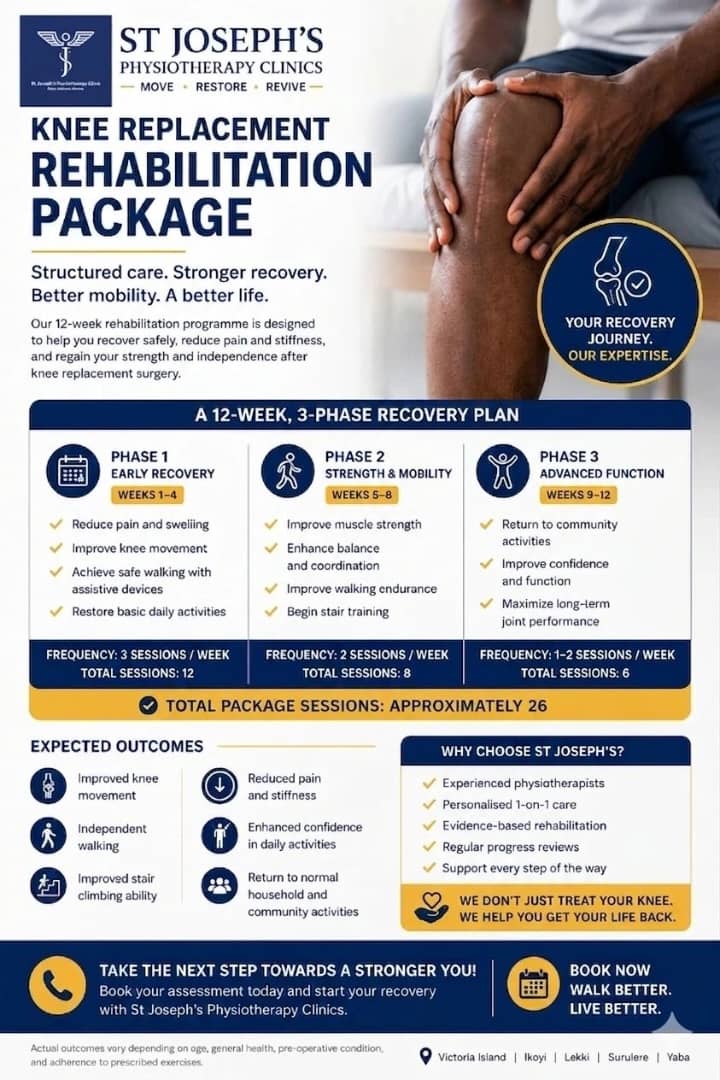
Complete Knee Replacement Rehabilitation Package in Lagos
Knee replacement surgery is a major step toward pain relief and improved mo…

NAMDA threatens strike over unpaid medical lecturers’ allowances
The Nigerian Association of Medical and Dental Academics (NAMDA) has warned…

Resident Doctors Signal End to Strike Threat After High-Level Talks with Gbajabiamila
The threat of a nationwide indefinite strike by the Nigerian Association of…
