…study reveals only 5 per cent toilet users wash hands correctly
With Ebola Virus Disease (EVD) now out of the way in the country, handshake has returned as the acceptable way of greeting. However, a recent study has called for caution in handshakes because many people are likely carrying tons of infectious bacteria in their hands.
The study found out that many people do not wash their hands after using the toilet and even when they do, 95 per cent do not wash them properly. The rate might be worse for people in Nigeria and other African country where hygiene is poorly observed.
The researchers from Michigan State University, found that after using the restroom, 95 per cent of people fail to wash their hands long enough to kill harmful bacteria. The team trained a dozen students to inconspicuously observe and collect data on hand-washing behaviour in restrooms in bars, restaurants and other public places in a college town.
In all, 3,749 people weren’t observed. According to them, only two in three people use soap, while one in 10 skips the sink altogether. The study also showed that few men practise hand hygiene compared to women, because they see it as a cumbersome task.
However, to achieve a proper hand wash, one does not even need sterilized or clean water, another study revealed. In the study which took place in an urban squatter settlement in Pakistan, where water was faecally contaminated, one group of women were given soap, a safe water vessel and the means to sterilize their water; another had soap alone and had to use untreated water to wash their hands.

Testing their hands, researchers found both groups had greatly reduced bacterial counts, compared with a third group who hadn’t used soap. So they concluded that even dirty water can be effective as long as soap is used.
In a fascinating new book, Adam Hart, a biologist, broadcaster and professor of science communication at the University of Gloucestershire, revealed that men are particularly soapaverse. He said that about half of men (50.3 per cent) washed with soap and water, around 35 per cent merely rinse with water, while 15 per cent didn’t bother to wash at all.
“Women fared far better, with only 7 per cent not washing and 78 per cent using soap and water”, he said.
However, proper hand hygiene does not merely involve regular hand wash and washing with soap, it also involves the length of time spent hand washing, another study said. The study published in the Journal of Environmental Health, found out that only 30 per cent of people washed for longer than nine seconds and 70 per cent did so for less than eight seconds (including the 10 per cent who didn’t bother at all). The study concludes that washing hands for a longer time, about 15 to 30 seconds will remove germs better than short time.
“Again, drying is vital, as bacteria like moist surfaces and are more easily transferred to and from wet hands. While there’s contradictory evidence about different methods, the conclusion is that drying with paper towels is the best means of removing bacteria (the friction of rubbing against the skin aids the process)”, it further said. Sweaty hands are also a major concern, according to researchers from Aberystwyth University-Ceredigion in UK. They found that definite number of people who do not wash their hands after using the toilet will get sweaty palms.
“These people while leaving a room will twist a presumably copper doorknob. Their sweaty palms will counteract the antimicrobial properties of copper, allowing the bacteria to live until another person’s hand makes contact. Then, the cycle continues”, they said.
This situation is even worse in health care setting, where these germs are passed around easily, with almost 40 percent of doctors worldwide failing to wash their hands, according to a World Health Organization report.
“In a hospital, your child may be getting treated for a burn, but after a talk with his doctor and a simple goodbye handshake, you may find yourself battling at least a stomach virus or the flu”, says David Whitworth, a senior lecturer at Aberystwyth University-Ceredigion and author of ‘The fist bump: A more hygienic alternative to the handshake’.
While many like Whitworth suggests that fist bump be adopted as an alternative to handshake, others emphasize more on regular proper hand washing, achieved with soap, longer duration and proper drying.
By: FRANKA OSAKWE
National Mirror
ABUJA: Training Schedule for Basic Life Support BLS, Pediatric Advanced Life Support (PALS), Advanced Cardiovascular Life Support ACLS, First Aid, CPR, AED
PORTHARCOURT: Training Schedule for Basic Life Support BLS, Pediatric Advanced Life Support (PALS), Advanced Cardiovascular Life Support ACLS, First Aid, CPR, AED
LAGOS: Training Schedule for Basic Life Support BLS, Pediatric Advanced Life Support (PALS), Advanced Cardiovascular Life Support ACLS, First Aid, CPR, AED
STOP paying for airtime and electricity, Let your phone pay its bills with ScreenT
You may also like
Comrade Lemii Christian Emerges Chairman of NANNM Rivers State Branch in Historic Victory
PORT HARCOURT, NIGERIA Following the long awaited National Association of N…

FG Supports Robotic Surgery Expansion to Reduce Medical Tourism
Nigeria is taking another step toward strengthening specialised healthcare …
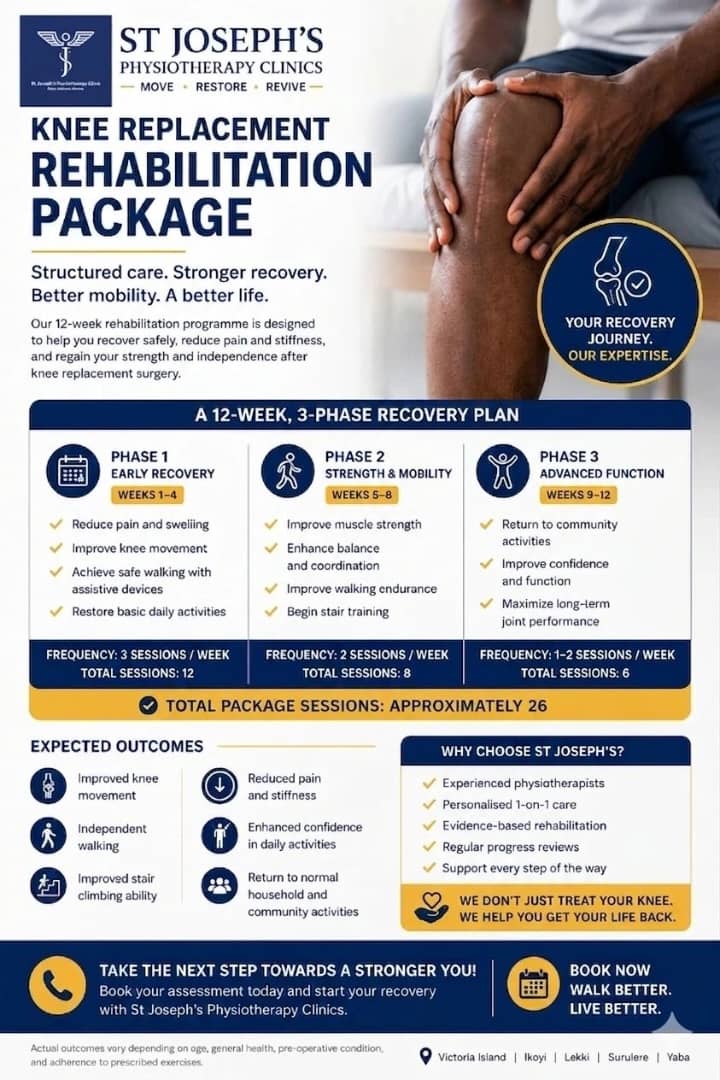
Complete Knee Replacement Rehabilitation Package in Lagos
Knee replacement surgery is a major step toward pain relief and improved mo…

NAMDA threatens strike over unpaid medical lecturers’ allowances
The Nigerian Association of Medical and Dental Academics (NAMDA) has warned…

Resident Doctors Signal End to Strike Threat After High-Level Talks with Gbajabiamila
The threat of a nationwide indefinite strike by the Nigerian Association of…