The Deans of Colleges and Faculties of Veterinary Medicine in Nigerian Universities converged on the National Universities Commission (NUC) to brainstorm on the bestway to reposition Veterinary Medical Education for maximum productivity.
Speaking during the 'Roundtable meeting on the Future of Veterinary Education in Nigeria', on Tuesday, 25 October, 2016, the Director, Research and Innovation, Dr. Suleiman Ramon¬Yusuf welcomed the Deans on behalf of the Executive Secretary, Professor Abubakar Adamu Rasheed and said that the meeting was convened to strategise and share experiences on how to rejig the programme to produce verycompetent and globally competitive 21st Century veterinary graduates and make the profession more relevant and sustainable.
Dr. Ramon-Yusuf said that it was important to holistically examine the programmes curriculum pedagogy and practice (competency based methodology) to identify some critical courses that could be taught to improve the capacity of the graduates in view of modern reality. This, he said, was necessary considering the continuous advancement in knowledge and the need to make graduates of the discipline globally competitive. He said that the review may require discontinuation of the teaching of some courses, which are no longer relevant and the inclusion of some more relevant courses without necessarily overloading the curriculum and overburdening the students.

The Director observed that there was the need for a paradigm shift in teaching methodology to outcome - based teaching with emphasis on competencies. He added that the attitude of some lecturers and the general condition under which students learnt may determine whether or not they would be willing to contribute towards the development of their Alma Mata, as alumni. He, therefore, advised the Deans to ensure that deliberate steps were taken to make the learning environment more conducive for students.
Dr. Ramon-Yusuf pointed out that the absence of courses such as animal dentistry and ophthalmology in the current Veterinary Medicine curriculum was a gap that needed to be filled through discussions and brainstorming in the forum, considering their importance in contemporary veterinary practice. He said that there was the need for universities to also keep track of the veterinary graduates as through some of them, the departments could be getting feed backs on noticeable gaps or deficiencies in the curriculum based on their observations, as they practice. He advised the Deans of Colleges of Veterinary Medicine to consider inviting some of their alumni who are successful Entrepreneurs to come and interact and share real life practical experiences with the students in order to inspire and motivate Veterinary Medicine students to think as entrepreneurs and to be able to establish real connection between theory and field realities.
The Director stressed the importance of Information and Communication Technology (ICT) in teaching and learning as well as in the ranking of universities and advised the lecturers to take advantage of the ICT facility to upload their profiles and activities. This, he said, would not only make them visible on the internet but, would also enhance the "reputational capital" of Nigerian universities- a critical performance indicator in the global ranking of universities. He underscored the ample opportunities that could accrue to them through networking and interaction with both local and international partners and academics. He stated that the relevance of ICT could not be over¬emphasised as it could also enable universities share both human and material resources and advised those universities that were yet to adopt ICT in teaching and learning to do so in the overall interest of the Programme.
Dr. Ramon-Yusuf reminded the Deans that the Benchmark Minimum Academic Standards (BMAS) was a minimum benchmark upon which universities were expected to improve, without overloading the curriculum and overburdening the students. He stressed that one way of identifying shortfalls in the curriculum was by doing comparative studies of Nigeria curriculum and those of Veterinary schools in other countries (curriculum mapping) to see courses that are lacking in the curriculum or those that are no longer relevant that needed to be discontinued or replaced.
On training and capacity building, the Director encouraged the Deans to consider as priority, attendance of International Conferences, Workshops, Seminars and shortrefresher courses in order to be in tune with developments in the profession even in the face of dwindling government allocations. He said whether or not universities were ready to sponsor their staff, the individuals concerned should strive for personal development as such exposures would make them better academics. He expressed confidence in the quality of Nigerian graduates particularly those that went through the regular universities adding that generally, they could prove their mettle in the midst of their contemporaries anywhere in the world. He noted that those giving the system a bad reputation were a few products from unstructured Part-time programmes and illegal outfits. He said it was important to determine who Nigerian graduates are with a view to distilling those from approved and accredited programmes from the `contaminants' from illegal/ unapproved/unaccredited programmes or institutions.
The Director advised the Deans to explore alternative sources of funding as the continuous dependency on government subvention was no longer feasible in view of the dwindling financial resources and the attendant inclement economic realities of the country. Some of the sources, he suggested, included, external research grants, proceeds from research activities, patents, commercialisation of research results and alumni donations as well as endowment of chairs. He said that if the Deans could collaborate effectively, they could attract some international faculty members to organise a train the trainer programmes for lecturers in the field on special areas at minimum cost. He also observed that beyond the challenges of inadequate funding, there was a challenge of prioritising and proper application of available resources on the part of some university authorities, saying that if such was addressed, there would be more funds available to run the system.
In response, the Deans took turns to give their impression about the NUC BMAS for Veterinary Medicine and the extent to which they felt that the Curriculum as it was, was adequate or otherwise to train veterinary students in the Nigerian University System (NUS) for the purpose of veterinary practice in Nigeria and across the globe.
In addition, each Dean discussed various issues and challenges confronting Veterinary education in Nigeria, ranging from paucity of funds and various innovative methods being adopted, including cost-sharing to ensure that Veterinary students are exposed to the requisite practical and clinical training necessary to make them competent despite the financial constraints.
In conclusion, each of the Deans made suggestions about how Veterinary Education in Nigeria could be improved upon, going forward, taking in accounts, some of the suggestions made at the round table and agreed as a group to continue to work with the Commission to explore ways of building synergy and capacity of
faculty members in the development of new cutting-edge courses that would bring students and graduates of Veterinary Medicine at par with their colleges in other parts of the world.
The Deans also agreed to go back to their various Universities to set up task teams to critically appraise the BMAS for Veterinary Medicine with a view to making concrete suggestions for the introduction of new courses and the complete overhaul of the Veterinary Curriculum in the NUS for the purpose of attracting research grants, donation of equipments, as a consortium of Deans of Veterinary Colleges and Faculties in Nigeria.
Finally, the Deans urged the Commission to make the Round Table a more regular forum to facilitate more closer collaboration between faculty and colleges as well as the Commission towards the training of Veterinary students for the socio-economic advancement of Nigeria.
At the Roundtable meeting were Deans of University of Maidugiri, Professors H.D Kwari; University of Ibadan, M.O. Oyeyemi; Usmanu Danfodiyo University, Sokoto, A.A. Magaji; University of Benin, E.K.I. Omogbai; University of Nigeria, Nsukka, R.0 Ezeokonkwo; University of Agriculture Markurdi, I.U. Ate; Micheal Okpara University of Agriculture, Umudike, M.I. Ezeja, University of Abuja, C.B.I Alawa and Ahmadu Bello University, Zaria, H.M. Kazeem. Others were Veterinary entrepreneurs, including the Managing Director, Blueblood Veterinary Limited, Abuja, Dr. Bala Muhammed and Managing Director of Olam Farms, Dr. Vinod Kumal.
ABUJA: Training Schedule for Basic Life Support BLS, Pediatric Advanced Life Support (PALS), Advanced Cardiovascular Life Support ACLS, First Aid, CPR, AED
PORTHARCOURT: Training Schedule for Basic Life Support BLS, Pediatric Advanced Life Support (PALS), Advanced Cardiovascular Life Support ACLS, First Aid, CPR, AED
LAGOS: Training Schedule for Basic Life Support BLS, Pediatric Advanced Life Support (PALS), Advanced Cardiovascular Life Support ACLS, First Aid, CPR, AED
STOP paying for airtime and electricity, Let your phone pay its bills with ScreenT
You may also like
Comrade Lemii Christian Emerges Chairman of NANNM Rivers State Branch in Historic Victory
PORT HARCOURT, NIGERIA Following the long awaited National Association of N…

FG Supports Robotic Surgery Expansion to Reduce Medical Tourism
Nigeria is taking another step toward strengthening specialised healthcare …
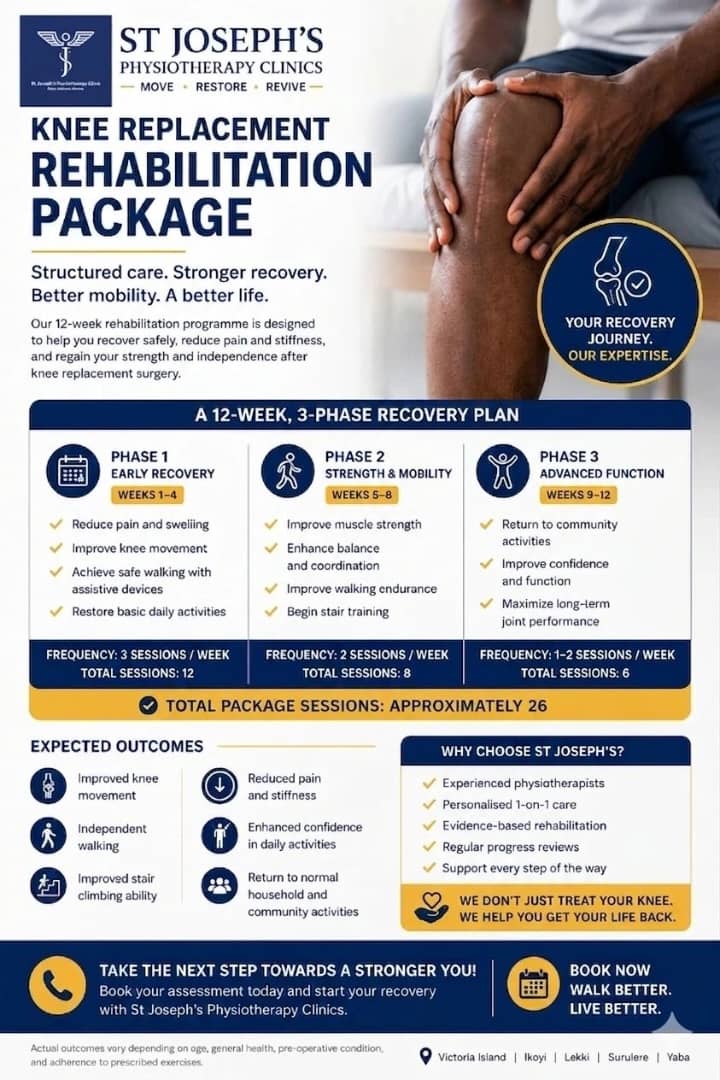
Complete Knee Replacement Rehabilitation Package in Lagos
Knee replacement surgery is a major step toward pain relief and improved mo…

NAMDA threatens strike over unpaid medical lecturers’ allowances
The Nigerian Association of Medical and Dental Academics (NAMDA) has warned…

Resident Doctors Signal End to Strike Threat After High-Level Talks with Gbajabiamila
The threat of a nationwide indefinite strike by the Nigerian Association of…