A new study suggests that vitamin D offers no benefits to obese teens in terms of heart health or diabetes risk. Not only that, but the findings of the study suggest that vitamin D could even increase levels of cholesterol and triglycerides.
Vitamin D supplements are often prescribed to slow or prevent the development of obesity-related medical complications such as insulin resistance.
The study, published in Pediatric Obesity, is part of a series conducted by researchers from the Mayo Clinic investigating obesity in childhood.
According to the Centers for Disease Control and Prevention (CDC), obesity has more than doubled among children and quadrupled among adolescents over the past 30 years. JAMA states that 1 in 5 American adolescents is currently obese.
A number of observational studies have indicated that vitamin D deficiency may be associated with obesity-related medical complications, such as cardiovascular disease and insulin resistance. Many health care providers consequently recommend high-dose supplementation to slow or prevent such complications from developing.
These courses of vitamins can sometimes be more than five to ten times the recommended daily intake.
Dr. Seema Kumar, a pediatric endocrinologist in the Mayo Clinic Children's Center, is yet to discover any significant benefit from vitamin D supplements in adolescents, however, after conducting four clinical trials and publishing six studies on the subject in the past 10 years.
"We're not saying the links between vitamin D deficiency and chronic diseases don't exist for children - we just haven't found any yet," states Dr. Kumar.

The most common and efficient source of vitamin D is sunlight, with the richest food sources being fish oil and fatty fish. If an individual is unable to obtain their recommended amounts of the vitamin from natural sources, they are advised to use vitamin D supplements.
Vitamin D supplementation linked to rises in cholesterol and triglycerides
For her team's most recent study, they examined the effect of vitamin D supplementation in 19 obese adolescents aged 13-18 with vitamin D deficiency, assessing what influence - if any - it had on their overall health.
After 3 months of boosting the teens' vitamin D levels into the normal range with supplements, the researchers observed no changes in body weight, body mass index (BMI), waistline, blood pressure or blood flow, Dr. Kumar explains. She says that she was surprised not to have uncovered any health benefit.
Dr. Kumar suggests that this finding could be due to the relatively small number of children participating in the study and its short timeframe. To address these limitations, she calls for larger, placebo-controlled studies to investigate the long-term effects of vitamin D supplementation.
"We're not saying it's bad to take vitamin D supplements at reasonable doses, and we know most obese teens are vitamin D deficient," Dr. Kumar concludes. "We're just saying the jury is still out on how useful it is for improving overall health in adolescents."
Vitamin D insufficiency is estimated to affect around 75% of postmenopausal women in the US. The effect of this deficiency on skeletal health is exacerbated by the falling estrogen levels that are also a factor in osteoporosis development.
By James McIntosh
Medical News Today
ABUJA: Training Schedule for Basic Life Support BLS, Pediatric Advanced Life Support (PALS), Advanced Cardiovascular Life Support ACLS, First Aid, CPR, AED
PORTHARCOURT: Training Schedule for Basic Life Support BLS, Pediatric Advanced Life Support (PALS), Advanced Cardiovascular Life Support ACLS, First Aid, CPR, AED
LAGOS: Training Schedule for Basic Life Support BLS, Pediatric Advanced Life Support (PALS), Advanced Cardiovascular Life Support ACLS, First Aid, CPR, AED
STOP paying for airtime and electricity, Let your phone pay its bills with ScreenT
You may also like

Comrade Lemii Christian Emerges Chairman of NANNM Rivers State Branch in Historic Victory
PORT HARCOURT, NIGERIA Following the long awaited National Association of N…

FG Supports Robotic Surgery Expansion to Reduce Medical Tourism
Nigeria is taking another step toward strengthening specialised healthcare …
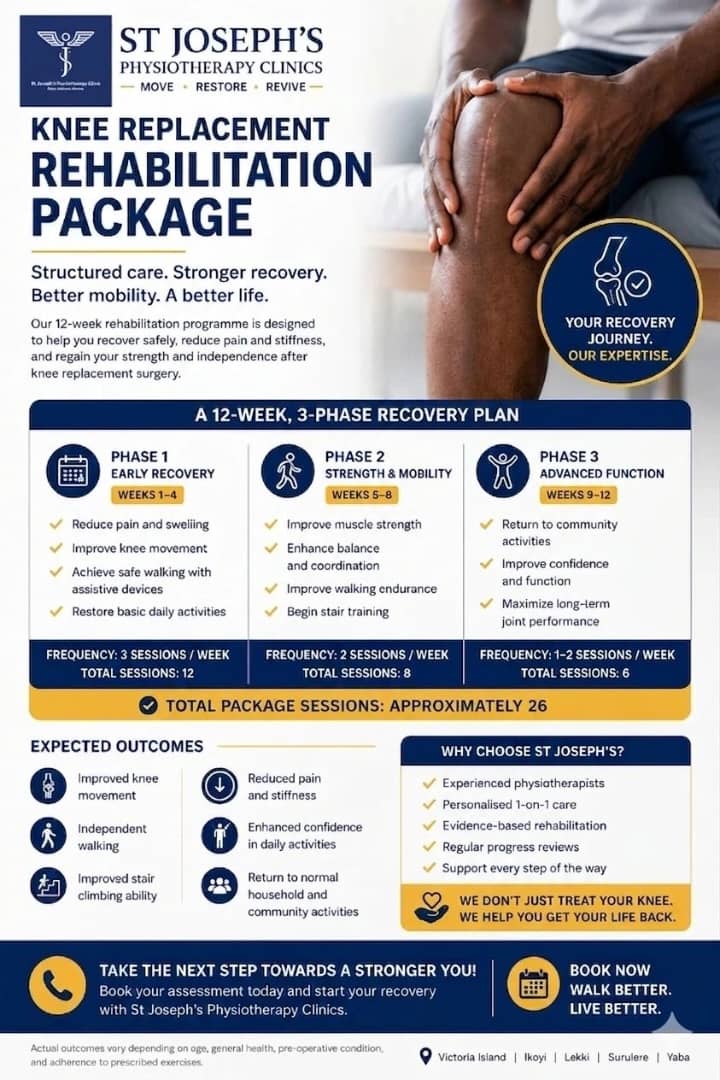
Complete Knee Replacement Rehabilitation Package in Lagos
Knee replacement surgery is a major step toward pain relief and improved mo…

NAMDA threatens strike over unpaid medical lecturers’ allowances
The Nigerian Association of Medical and Dental Academics (NAMDA) has warned…

Resident Doctors Signal End to Strike Threat After High-Level Talks with Gbajabiamila
The threat of a nationwide indefinite strike by the Nigerian Association of…
