Diabetes mellitus, or diabetes as it is more commonly known, is a condition caused by the body's inability to handle glucose (a type of sugar) properly. Glucose is an energy source for the body. Insulin, a hormone pro-duced in the pancreas, helps move glucose from the blood stream to the body's cells.
You can take good care of yourself and your diabetes by learning what to eat, how much to eat and when to eat. Making wise food choices can help you feel good every day, lose weight if you need to, lower your risk for heart disease, stroke, and other prob-lems caused by diabetes. Healthy eating helps keep your blood glucose, also called blood sugar, in your target range. Physical activity and, if needed, diabetes medicines also help. The diabetes target range is the blood glucose level suggested by diabetes experts for good health. You can help pre-vent health problems by keeping your blood glucose levels on target," experts warn.
According to Dr Gabriel Omonaiye, dia-betes mellitus is a chronic disease due to abnormal glucose metabolism resulting into elevated blood sugar levels and other at-tendant complications. The complications could be acute or chronic (long term).
"Broadly, there are 3 types of diabetes mellitus (DM), viz: (a) Type 1 DM, which used to be called juvenile onset or insulin dependent DM; (b) Type 2 DM, previously known as adult onset or non-insulin depen-dent DM; and (c) Gestational DM.
"Type 1 DM is due to absence of insulin be-cause of the destruction of the B cells of the pancreas, where insulin is normally produced. The destruction is due to a combination of au-toimmune disorder, genetic predisposition and environmental factors. It occurs in childhood and adolescence. It is less than 10 percent of all the cases of DM.
"Type 2 DM accounts for up to 90 percent of diabetic cases. It's due to a deficiency of insu-lin or lack of sensitivity to insulin (also known as resistance to insulin) by muscle cells, liver cells and other target organs. The risk factors for the development of type 2 DM include obesity, overweight, sedentary lifestyle."
"Gestational DM occurs in some women when they are pregnant, usually from the second and third trimesters of the pregnancy. The dangers of gestational DM are to both the mother and the fetus. It could be a predispos-ing factor for the development of preeclamp-sia, polyhydraminos, big babies, death of the fetus in the womb, difficult delivery, and in-creased rate of Caesarean Section."
Omonaiye said: "Signs and Symptoms of DM: In the early stage of type 2 DM, the pa-tient may not even have any symptoms but the elevated blood sugar level is detected from the blood sugar determination test.
 "The common symptoms are excessive thirst (polydipsia), excessive urination, and ex-cessive hunger. There could be the features of complications, which may involve the blood vessels, kidneys, eyes and the heart. Some people come down with multiple and recur-rent boils. In women, they might have whitish, itching vaginal discharge and miscarriages."
 He continued: "The diagnosis is based on the fasting blood sugar, which is done after an overnight fast lasting between 8 and 12 hours. For some indeterminate cases, an oral glucose tolerance test (OGTT) will have to be carried out. The normal fasting plasma glucose should be less than 5.6mmol/L. The glycoslated hae-moglobin is used to monitor the compliance rate and the blood sugar level over a period of about 3 months.
"The management of DM is multidisci-plinary, involving the Family Physician, the Diabetologist, the dietician, nurses and the pa-tient. The patient needs to be well motivated and informed of on dietary aspect and lifestyle angle to the success of the treatment. Usually it is a lifelong problem that needs lifelong treat-ment."
Speaking further, he said that "unfortunate-ly, in our environment, many diabetics aban-don medical treatment for "bitter therapy"- bit-ter cola, bitter leaf, bitters and they do have a bitter outcome - complications and avoidable deaths in some instances.
"Type 1 DM will need insulin therapy for a lifetime. "Type 2 DM will need anti-diabetic drugs, reduction of weight and exercise. They need to stop smoking, reduce carbohydrates intake, reduce to the barest alcohol consumption or stop it altogether, avoid refined sugar and soda drinks."
"Diabetes mellitus needs medical experts to be involved in the diagnosis, management and follow up/monitoring to avoid the possible pro-tean complications associated with it, among which are retinopathy, blindness, stroke, impo-tence, diabetic feet, neuropathy, chronic renal disease, diabetic coma and death," he noted.
Also, Dr Alick Richard Masih said: "Per-sons most likely to get diabetes are those being overweight with body mass index greater than 25, having a sister, brother, or parent with dia-betes. Being physically active less that three times per week or having low HDL (good cho-lesterol) or high triglyceride level.
"Also, having blood sugars during pregnan-cy (gestational diabetes), giving birth to a baby weighing more that 10 pounds and taking a "statin" medicine to lower cholesterol can ac-tually cause diabetes in person."
Speaking further, he said "a persons chances of developing diabetes being overweight and aiming at the chances between 5 and 10 per-cent weight loss. Eating a high-fiber diet rich in natural whole foods (unrefined and unprocessed fruits, vegetables, nuts, seeds, beans, legumes, and peas) while restricting or elim-inating foods containing refined carbohy-drates such as white rice, white bread, pota-toes, packaged snacks, cakes, and pastries."
He cautions, "consult a dietician, if you are unclear about which foods you should eat and which you should avoid. At least 30 minutes of moderate intensity physical activity at least 5 days per week, remember, any activity is better than none. Activities, which make you breath harder, raises your pulse rate as well results in mind sweating."
"Also, allows you to carry on a conversa-tion with your partner while exercising, get six or more hours of uninterrupted sleep each night. In some cases, medicine may play a role in reducing the chances of developing diabetes. This should be discussed with your doctor,' he advised.
The World Health Organisation noted in 2013 that 350 million people worldwide had diabetes. It is predicted that approximately 3 million Nigerians over the age of 20 who have prediabetes. In the same vein, experts predict that by 2050 the number of adults with diabetes will reach one in three. And by 2030, 4.8 million Nigerians will develop diabetes.
By: Doris Obinna
Daily Sun News
ABUJA: Training Schedule for Basic Life Support BLS, Pediatric Advanced Life Support (PALS), Advanced Cardiovascular Life Support ACLS, First Aid, CPR, AED
PORTHARCOURT: Training Schedule for Basic Life Support BLS, Pediatric Advanced Life Support (PALS), Advanced Cardiovascular Life Support ACLS, First Aid, CPR, AED
LAGOS: Training Schedule for Basic Life Support BLS, Pediatric Advanced Life Support (PALS), Advanced Cardiovascular Life Support ACLS, First Aid, CPR, AED
STOP paying for airtime and electricity, Let your phone pay its bills with ScreenT
You may also like

Comrade Lemii Christian Emerges Chairman of NANNM Rivers State Branch in Historic Victory
PORT HARCOURT, NIGERIA Following the long awaited National Association of N…

FG Supports Robotic Surgery Expansion to Reduce Medical Tourism
Nigeria is taking another step toward strengthening specialised healthcare …
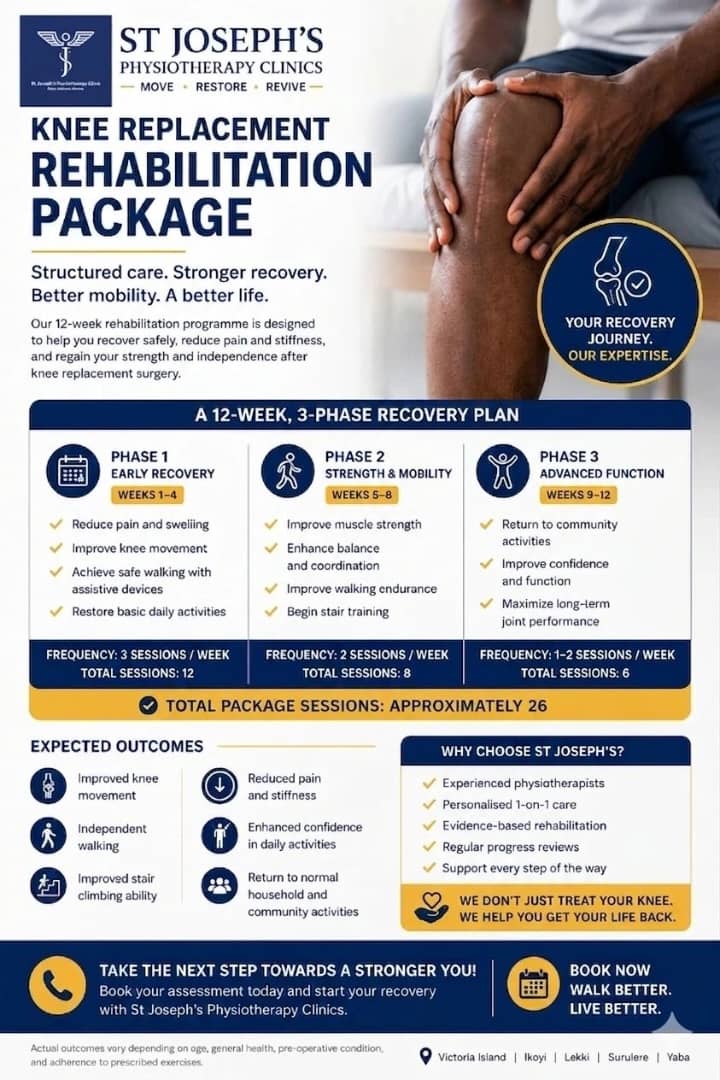
Complete Knee Replacement Rehabilitation Package in Lagos
Knee replacement surgery is a major step toward pain relief and improved mo…

NAMDA threatens strike over unpaid medical lecturers’ allowances
The Nigerian Association of Medical and Dental Academics (NAMDA) has warned…

Resident Doctors Signal End to Strike Threat After High-Level Talks with Gbajabiamila
The threat of a nationwide indefinite strike by the Nigerian Association of…