To mark this year’s International Day of Older Persons on October 1, The world Health Organisation (WHO) has asked governments to ensure policies that enable older people to continue participating in society and to live healthy lives.
In a statement to mark the day, the organisation disclosed noted that old people, even in poorer countries, are living longer but not so healthy life. It said that the number of people over the age of 60 is expected to double by 2050 so there is a need for radical societal change.
“We need to ensure these extra years are healthy, meaningful and dignified,” WHO Director General Dr. Margaret Chan said.
In his message for the 25th anniversary of the International Day of Older Persons, Secretary-General Ban Ki-moon said older persons are an enormous asset to society so governments need to make cities and human settlements inclusive, safe, resilient and sustainable so that no one – of any age – is left behind.
 The release rejects the stereotype of older people as frail and dependent, saying many contributions that older people make are often overlooked. “Unfortunately, 70 does not yet appear to be the new 60, but it could be, and it should be,” Dr. John Beard, WHO Director of the Department of Ageing and Life Course, said.
 Dr. Beard said while some older people may indeed be experiencing both longer and healthier lives, these people are likely to have come from more advantaged segments of society.
Women, according to the report, who comprise the majority of older people, provide much of the family care for those who can no longer care for themselves.
“As we look to the future, we need to appreciate the importance of ageing in the lives of women, particularly in poorer countries,” according to Dr. Flavia Bustreo, WHO Assistant Director- General for Family, Women’s and Children’s Health. “And we need to think much more about how we can ensure the health of women right across the life course.”
By: Franka Osakwe
National Mirror News
ABUJA: Training Schedule for Basic Life Support BLS, Pediatric Advanced Life Support (PALS), Advanced Cardiovascular Life Support ACLS, First Aid, CPR, AED
PORTHARCOURT: Training Schedule for Basic Life Support BLS, Pediatric Advanced Life Support (PALS), Advanced Cardiovascular Life Support ACLS, First Aid, CPR, AED
LAGOS: Training Schedule for Basic Life Support BLS, Pediatric Advanced Life Support (PALS), Advanced Cardiovascular Life Support ACLS, First Aid, CPR, AED
STOP paying for airtime and electricity, Let your phone pay its bills with ScreenT
You may also like
Comrade Lemii Christian Emerges Chairman of NANNM Rivers State Branch in Historic Victory
PORT HARCOURT, NIGERIA Following the long awaited National Association of N…

FG Supports Robotic Surgery Expansion to Reduce Medical Tourism
Nigeria is taking another step toward strengthening specialised healthcare …
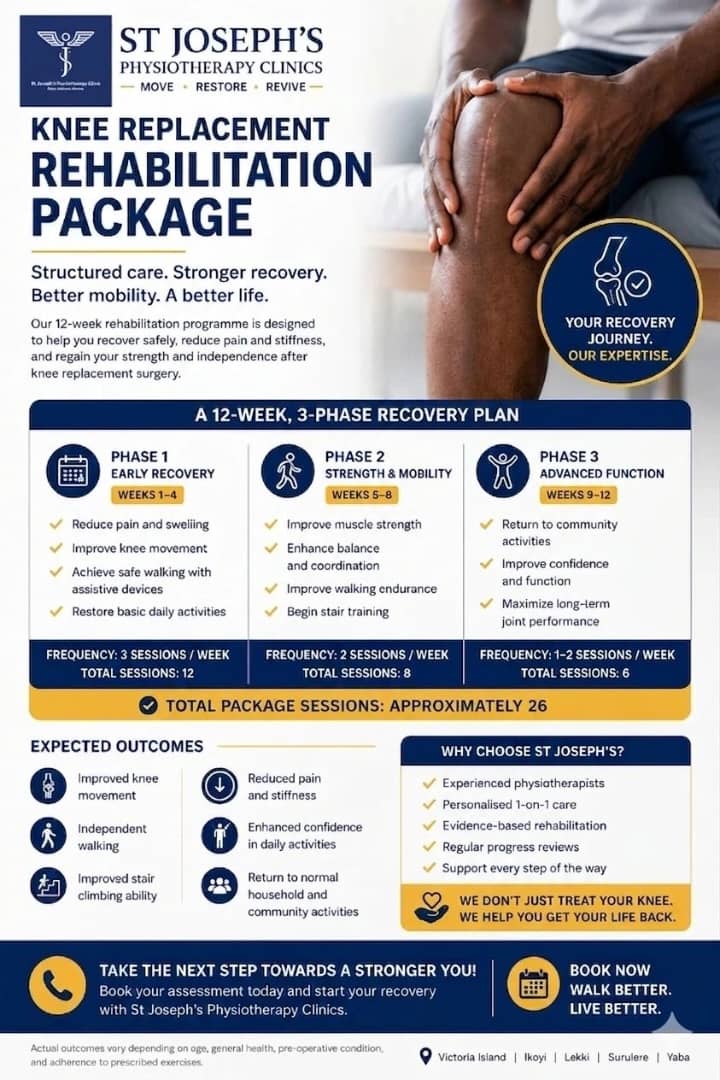
Complete Knee Replacement Rehabilitation Package in Lagos
Knee replacement surgery is a major step toward pain relief and improved mo…

NAMDA threatens strike over unpaid medical lecturers’ allowances
The Nigerian Association of Medical and Dental Academics (NAMDA) has warned…

Resident Doctors Signal End to Strike Threat After High-Level Talks with Gbajabiamila
The threat of a nationwide indefinite strike by the Nigerian Association of…