Deaths among children aged 5 and under worldwide have more than halved over the last 25 years, falling from 12.7 million a year in 1990 to 5.9 million in 2015.
Ten of the 12 low-income countries that have met the Millennium Development Goal for reducing child mortality are in Africa.
For the first time, global child mortality is under 6 million, says a new joint report from the World Health Organization (WHO), UNICEF, the World Bank and the United Nations (UN).
But, while progress has been substantial, a 53% drop in child mortality is far short of the Millennium Development Goal, where countries agreed to reduce child mortality between 1990 and 2015 by two thirds.
Around 16,000 children under 5 still die every day, most from diseases that are readily preventable or treatable, says the report.
UNICEF Deputy Executive Director Geeta Rao Gupta says since 2000, many countries have tripled their rate of reduction in deaths among the under-5s, and we must acknowledge the progress that has been made.
"But the far too large number of children still dying from preventable causes before their fifth birthday - and indeed within their first month of life - should impel us to redouble our efforts to do what we know needs to be done," she adds. "We cannot continue to fail them."
45% of child deaths occur at or near time of birth
Reduction in child mortality could fall even faster by focusing on regions with the highest levels - sub-Saharan Africa and Southern Asia - and concentrating particularly on newborns, say the report authors.
Around 50% of global deaths among the under-5s occur in sub-Saharan Africa, while 30% occur in Southern Asia.
Approximately 45% of deaths among the under-5s occur in the first 28 days of life: 1 million infants die on the day they are born, and nearly 2 million during the first week following birth.
Leading causes of death in this group include complications during labor, premature birth, pneumonia, sepsis, diarrhea and malaria. Most of the remaining deaths among the under-5s are tied to undernutrition.
Dr. Flavia Bustreo, WHO assistant director general, says:
"Quality care around the time of childbirth including simple affordable steps like ensuring early skin-to-skin contact, exclusive breastfeeding and extra care for small and sick babies can save thousands of lives every year."

The report shows that a child's risk of dying before his or her fifth birthday still varies greatly around the globe, from 1 in 147 in high-income countries to 1 in 12 in sub-Saharan Africa, the region with the highest under-5 mortality rate in the world.
However, this comparison masks the huge strides that have been made in sub-Saharan Africa since 2000. In the period 2000-2015, the region's annual reduction in under-5s mortality is 2.5 times what it was in 1990-2000.
The report notes that despite their low incomes, many countries in this region - Eritrea, Ethiopia, Liberia, Madagascar, Malawi, Mozambique, Niger, Rwanda, Uganda and Tanzania - have met the Millennium Development Goal.
Need to speed up progress
The report says altogether, 62 countries - around a third of the world's nations - have met the Millennium Development Goal for reducing child mortality by two thirds over 1990-2015, while another 74 have reduced it by at least half.
Of the 12 low-income countries that have met the Millennium Development Goal, ten of them are in Africa.
Overall, the worldwide rate of reduction in child mortality has been accelerating - from an annual rate of reduction of 1.8% during 1990-2000 to 3.9% in 2000-2015.
UN Under-Secretary-General for Economic and Social Affairs Mr. Wu Hongbo says the accelerated improvements since 2000 have saved millions of children's lives, but the push needs to speed up more - especially in sub-Saharan Africa where child mortality is still high - in order to meet the child survival target of the 2030 Agenda for Sustainable Development.
Dr. Tim Evans, senior director of health, nutrition and population at the World Bank Group, agrees and adds:
Effective tools to prevent and treat malaria are essential to successful eradication of the disease, but the growth of resistant parasite strains threatens to undermine them.
Medical News Today recently learned that researchers have found they can slow the development of the malaria parasite inside blood cells by altering its gene expression, and that even drug-resistant strains may succumb to this technique.
By Catharine Paddock PhD
Medical News Today
ABUJA: Training Schedule for Basic Life Support BLS, Pediatric Advanced Life Support (PALS), Advanced Cardiovascular Life Support ACLS, First Aid, CPR, AED
PORTHARCOURT: Training Schedule for Basic Life Support BLS, Pediatric Advanced Life Support (PALS), Advanced Cardiovascular Life Support ACLS, First Aid, CPR, AED
LAGOS: Training Schedule for Basic Life Support BLS, Pediatric Advanced Life Support (PALS), Advanced Cardiovascular Life Support ACLS, First Aid, CPR, AED
STOP paying for airtime and electricity, Let your phone pay its bills with ScreenT
You may also like

Comrade Lemii Christian Emerges Chairman of NANNM Rivers State Branch in Historic Victory
PORT HARCOURT, NIGERIA Following the long awaited National Association of N…

FG Supports Robotic Surgery Expansion to Reduce Medical Tourism
Nigeria is taking another step toward strengthening specialised healthcare …
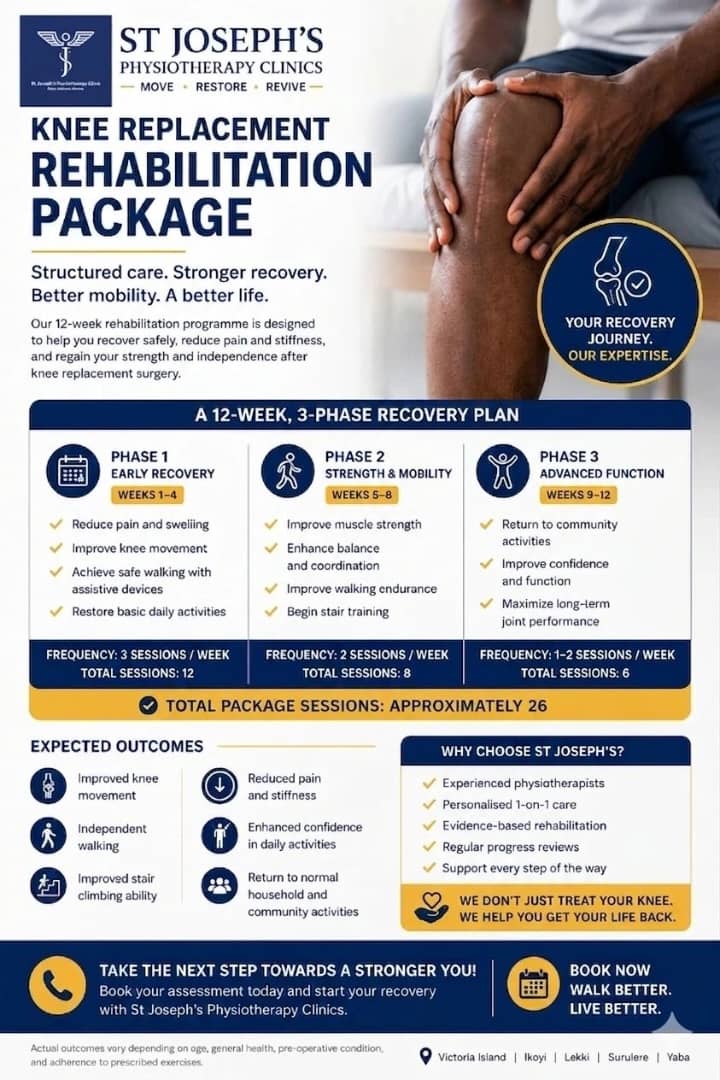
Complete Knee Replacement Rehabilitation Package in Lagos
Knee replacement surgery is a major step toward pain relief and improved mo…

NAMDA threatens strike over unpaid medical lecturers’ allowances
The Nigerian Association of Medical and Dental Academics (NAMDA) has warned…

Resident Doctors Signal End to Strike Threat After High-Level Talks with Gbajabiamila
The threat of a nationwide indefinite strike by the Nigerian Association of…