The latest report that the world is winning the war against the Human Immunodeficiency Virus (HIV) and the Acquired Immune Deficiency Syndrome (AIDS) and has set a timeframe to end the epidemic is commendable. It is a sign that the global effort to end AIDS has entered a decisive stage.
The Director-General of the World Health Organisation (WHO), Margaret Chan, had in a message to mark this year’s World AIDS Day, conveyed the good news. She said that the expansion of Antiretrovial Therapy (ART) has resulted in a sharp reduction of AIDS-related deaths and stressed that effective preventive efforts have reduced the number of new HIV infections.
WHO also announced that the Millennium Development Goal that called for halting and reversing the spread of HIV on a global basis was met with 7.8 million lives saved in 15 years.
It said that the number of HIV deaths was reduced by 42 percent by 2014 from 2 million in 2001 to an estimated 1.2 million and stressed that the world is poised to end the AIDS epidemic by 2030.
 The report entitled: “Global Health Sector Response to HIV 2000-2015” also observed that the projections of an end to the epidemic by 2030, once considered to be unattainable, are now realistic.
 According to the report, the rapid scale-up of access to ART in the past 15 years has made treatment available to more than 16 million people living with HIV across the world. The access to ART has been most dramatic in the WHO African Region where more than 11 million people are currently receiving HIV treatment, up from 11,000 at the turn of the century.
Also, the WHO Regional Director for Africa, Dr. Matshidiso Moeti said that new infections have reduced by 41 percent in the African Region, more than in any other region in the world.
Despite the achievements and the optimism of ending the epidemic by 2030, the report noted that more work must be done as 60 percent of all people living with HIV globally have not yet enrolled in antiretroviral treatment.
In its “treat all” recommendations, WHO wants countries to expand ART to all the people living with HIV in a rapid, focused, and efficient manner. The recommendations include using innovative testing approaches like community or self testing to increase the number of people who know their HIV status; starting treatment faster in those diagnosed with HIV among others.
Globally, there are 34 million people living with HIV/AIDS and Nigeria accounts for 3.4 million of people living with HIV/AIDS. Nigeria has about 1,544,069 eligible for ART, while 747,382 are currently on treatment. It is expected that by the end of 2015, about 2,345,303 people would need ART.
Nigeria has over 7,000 free HIV testing and counselling centres. They are located in all government hospitals, especially in local health centres, general hospitals and teaching hospitals across the nation. In addition, some private health facilities also offer free HIV screening.
We welcome the good news that the world would end the AIDS epidemic by 2030 and call on all countries to increase access to treatment of people living with the disease.
We say this because making the treatment available and affordable is the surest way to end the global epidemic.
We call on the Federal and State governments to scale up testing to detect new people with HIV and increase access to treatment for those already with the epidemic.
News from some states of the federation shows that there is need to increase awareness about the condition as well as ensure that treatment is accessible and affordable.
We note that the problems militating against the eradication of the disease, as the Director-General of the National Agency for the Control of AIDS (NACA), John Idoko, recently disclosed, include inadequate domestic funding; inadequate human and infrastructure capacity to effectively provide prevention, treatment and care options; insecurity; and stigma and discrimination. All tiers of government should urgently rise to these challenges.
For Nigeria to join the rest of the world to terminate the AIDS epidemic by 2030 deadline, government at all levels must work in concert to ensure that those with the condition are given access to treatment and foot the bills.
All the problems encountered by people living with the disease in accessing treatment should be adequately addressed.
Source: Sun News
ABUJA: Training Schedule for Basic Life Support BLS, Pediatric Advanced Life Support (PALS), Advanced Cardiovascular Life Support ACLS, First Aid, CPR, AED
PORTHARCOURT: Training Schedule for Basic Life Support BLS, Pediatric Advanced Life Support (PALS), Advanced Cardiovascular Life Support ACLS, First Aid, CPR, AED
LAGOS: Training Schedule for Basic Life Support BLS, Pediatric Advanced Life Support (PALS), Advanced Cardiovascular Life Support ACLS, First Aid, CPR, AED
STOP paying for airtime and electricity, Let your phone pay its bills with ScreenT
You may also like
Comrade Lemii Christian Emerges Chairman of NANNM Rivers State Branch in Historic Victory
PORT HARCOURT, NIGERIA Following the long awaited National Association of N…

FG Supports Robotic Surgery Expansion to Reduce Medical Tourism
Nigeria is taking another step toward strengthening specialised healthcare …
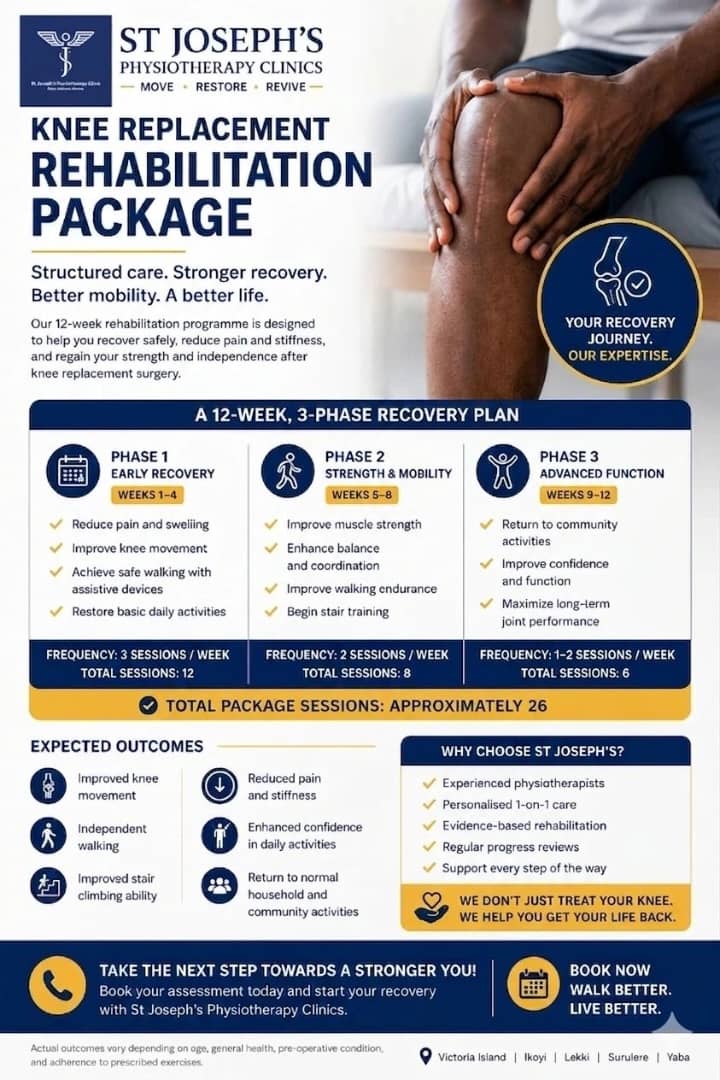
Complete Knee Replacement Rehabilitation Package in Lagos
Knee replacement surgery is a major step toward pain relief and improved mo…

NAMDA threatens strike over unpaid medical lecturers’ allowances
The Nigerian Association of Medical and Dental Academics (NAMDA) has warned…

Resident Doctors Signal End to Strike Threat After High-Level Talks with Gbajabiamila
The threat of a nationwide indefinite strike by the Nigerian Association of…