Okra is a warm-season vegetable. The small green pods of okra are called gumbo or ladies fingers.
The taste of okra is mild and similar to eggplant. It has a unique texture with peach-like fuzz on the outside and mini edible seeds on the inside of the pod.
Okra is a nutrition powerhouse full of vitamins, minerals, and fiber.
Possible health benefits of eating okra
Eating fruits and vegetables of all kinds has long been linked with a reduced risk of many lifestyle-related health conditions.
Many studies have suggested that eating more plant foods like okra reduces the risk of conditions such as diabetes, heart disease, and obesity. Eating more plant foods may also help with increasing energy levels and keeping a healthy complexion and hair.
 Cancer
 Lectin is a type of protein found in okra, beans, peanuts, and grains. Lectin from okra was used in a study to treat human breast cancercells. The treatment reduced cancer cell growth by 63 percent and killed 72 percent of the human cancer cells.
People who do not eat enough folate are at a higher risk for breast, cervical, pancreatic, lung, and other cancers. Researchers are unsure of why folate intake and cancer risk are connected.
There is no evidence that taking a folate supplement lowers the risk for cancer. As a result, getting folate from food like okra is important. Getting enough folate is especially important for women who are pregnant and people who are dependent on alcohol.
More studies need to be done to see if okra has an effect on cancer in humans.
Diabetes
Diabetes in a 2011 study, researchers made a powder from the peel and seed of okra to treat rats with diabetes. The rats that were treated with the powder had lower blood sugar and fat levels than rats that did not receive the powder.
Heart health
According to the American Heart Association, eating foods that are high in fiber can reduce harmful cholesterol levels in the blood. High-fiber foods lower the risk of heart disease, stroke, obesity, and diabetes. Fiber can also slow heart disease in people who already have it.
People should aim to get at least 25 grams of fiber per day from vegetables, fruits, and legumes. It is best to choose whole grains over processed grains like white breads and snack cakes. Okra has 3.2 grams of fiber per cup.
By: Doris Obinna
Daily Sun News
ABUJA: Training Schedule for Basic Life Support BLS, Pediatric Advanced Life Support (PALS), Advanced Cardiovascular Life Support ACLS, First Aid, CPR, AED
PORTHARCOURT: Training Schedule for Basic Life Support BLS, Pediatric Advanced Life Support (PALS), Advanced Cardiovascular Life Support ACLS, First Aid, CPR, AED
LAGOS: Training Schedule for Basic Life Support BLS, Pediatric Advanced Life Support (PALS), Advanced Cardiovascular Life Support ACLS, First Aid, CPR, AED
STOP paying for airtime and electricity, Let your phone pay its bills with ScreenT
You may also like

Comrade Lemii Christian Emerges Chairman of NANNM Rivers State Branch in Historic Victory
PORT HARCOURT, NIGERIA Following the long awaited National Association of N…

FG Supports Robotic Surgery Expansion to Reduce Medical Tourism
Nigeria is taking another step toward strengthening specialised healthcare …
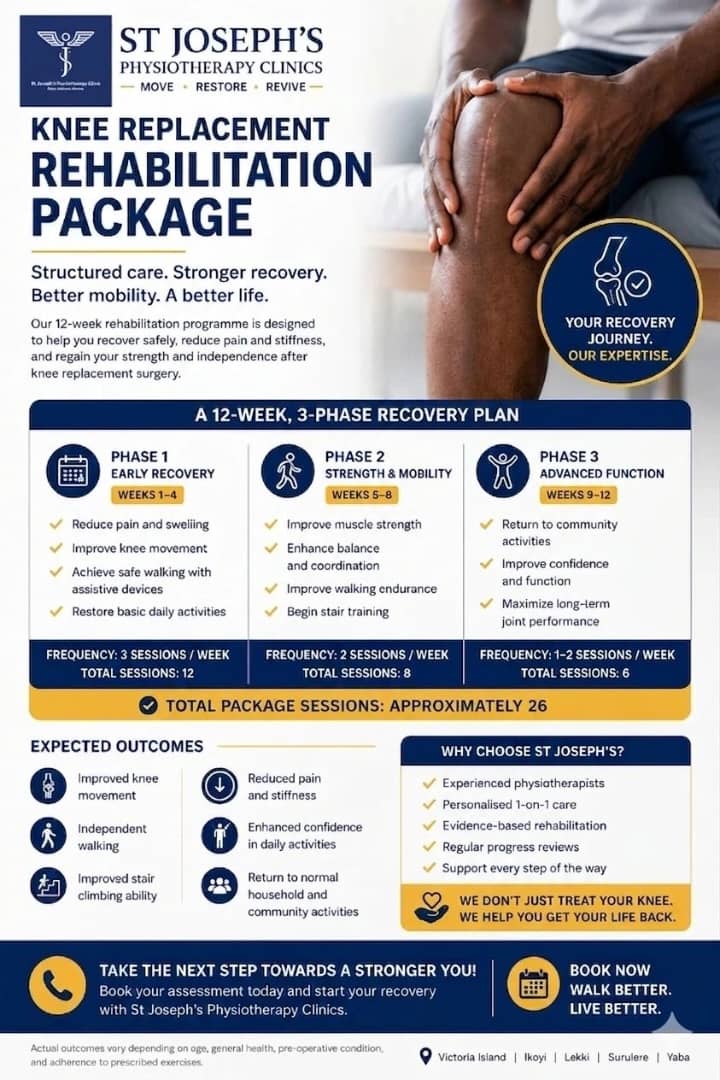
Complete Knee Replacement Rehabilitation Package in Lagos
Knee replacement surgery is a major step toward pain relief and improved mo…

NAMDA threatens strike over unpaid medical lecturers’ allowances
The Nigerian Association of Medical and Dental Academics (NAMDA) has warned…

Resident Doctors Signal End to Strike Threat After High-Level Talks with Gbajabiamila
The threat of a nationwide indefinite strike by the Nigerian Association of…