The first ever World Antibiotic Awareness Week (WAAW) began on Monday as part of efforts by the World health Organisation (WHO) to increase awareness on global antibiotic resistance and to encourage best practices among the general public, health workers and policy makers to avoid the further emergence and spread of antibiotic resistance.
With the theme, “Antibiotics: Handle with Care,” the World Antibiotic Awareness Week also coincides with the release of a multi-country survey by WHO which not only reveals the gross abuse of this class of drugs in most countries but also a widespread public misunderstanding about antibiotic resistance.
Antibiotics are medicines used to prevent and treat bacterial infections. According to WHO, a growing number of infections such as pneumonia, tuberculosis, and gonorrhea which are usually treated with antibiotics are becoming harder to treat as the antibiotics used to treat them become less effective. This development, referred to as antibiotic resistance, occurs due to misuse and general abuse of antibiotics by people.
 Nigeria, one of the 12 countries involved in the survey, is reputed as a country where drugs (including antibiotics) are generally sold everywhere, including motor parks and public transport vehicles mostly without doctor’s prescription. Most Nigerians also indulge in self- medication especially with antibiotics. For now, the country is yet to adopt any serious infection prevention and control measures and is not known to have embarked on any surveillance for antibiotic resistance.
 Antibiotic resistance happens when bacteria change and become resistant to the antibiotics used to treat the infections they cause. Over-use and misuse of antibiotics, a common occurrence in Nigeria is said to increase the development of resistant bacteria.
According to WHO, while antibiotic resistance occurs naturally, its misuse in humans and animals is accelerating the process. Thus, antibiotic resistance leads to longer hospital stays, higher medical costs and increased mortality.
“The rise of antibiotic resistance is a global health crisis, and governments now recognize it as one of the greatest challenges for public health today. It is reaching dangerously high levels in all parts of the world,” said Dr Margaret Chan, WHO Director-General, while launching the multi-country survey findings.
“Antibiotic resistance is compromising our ability to treat infectious diseases and undermining many advances in medicine,” she further said.
WHO in its latest Fact File on antibiotics further warns: “In countries where antibiotics can be bought without a prescription, emergence and spread of resistance is made worse. Similarly, in countries without standard treatment guidelines, antibiotics are often over-prescribed by health workers and over-used by the public.
“Without urgent action, we are heading for a post-antibiotic era, in which common infections and minor injuries can once again kill.”
Unfortunately, awareness about the growing danger of antibiotic resistance is said to be very low in all countries as many are yet to pay the deserving attention to its public health implications. According to the multi-country survey findings, Almost two thirds (64%) of some 10 000 people who were surveyed across 12 countries say they know antibiotic resistance is an issue that could affect them and their families, but how it affects them and what they can do to address it are not well understood.
“For example, 64% of respondents believe antibiotics can be used to treat colds and flu, despite the fact that antibiotics have no impact on viruses. Close to one third (32%) of people surveyed believe they should stop taking antibiotics when they feel better, rather than completing the prescribed course of treatment,” WHO further revealed.
“The findings of this survey point to the urgent need to improve understanding around antibiotic resistance,” says Dr Keiji Fukuda, Special Representative of the Director-General for Antimicrobial Resistance. “This campaign is just one of the ways we are working with governments, health authorities and other partners to reduce antibiotic resistance. One of the biggest health challenges of the 21st century will require global behaviour change by individuals and societies.”
To prevent a looming disaster where minor injuries and common infection can no longer respond to existing antibiotics, WHO advises that people should, in the first place, prevent infections by regularly washing hands, practicing good food hygiene, avoiding close contact with sick people and keeping vaccinations up to date. And when taking antibiotics, the organization further advises that people should always take the full prescription, never using left-over antibiotics and never sharing antibiotics with others.
Health workers and pharmacists are also advised to prevent infections by ensuring hands, instruments and environment are clean, keep patients’ vaccinations up to date and when a bacterial infection is suspected, perform bacterial cultures and testing to confirm. They are also urged to prescribe and dispense antibiotics
By: Sam Eferaro
National Mirror News
ABUJA: Training Schedule for Basic Life Support BLS, Pediatric Advanced Life Support (PALS), Advanced Cardiovascular Life Support ACLS, First Aid, CPR, AED
PORTHARCOURT: Training Schedule for Basic Life Support BLS, Pediatric Advanced Life Support (PALS), Advanced Cardiovascular Life Support ACLS, First Aid, CPR, AED
LAGOS: Training Schedule for Basic Life Support BLS, Pediatric Advanced Life Support (PALS), Advanced Cardiovascular Life Support ACLS, First Aid, CPR, AED
STOP paying for airtime and electricity, Let your phone pay its bills with ScreenT
You may also like
Comrade Lemii Christian Emerges Chairman of NANNM Rivers State Branch in Historic Victory
PORT HARCOURT, NIGERIA Following the long awaited National Association of N…

FG Supports Robotic Surgery Expansion to Reduce Medical Tourism
Nigeria is taking another step toward strengthening specialised healthcare …
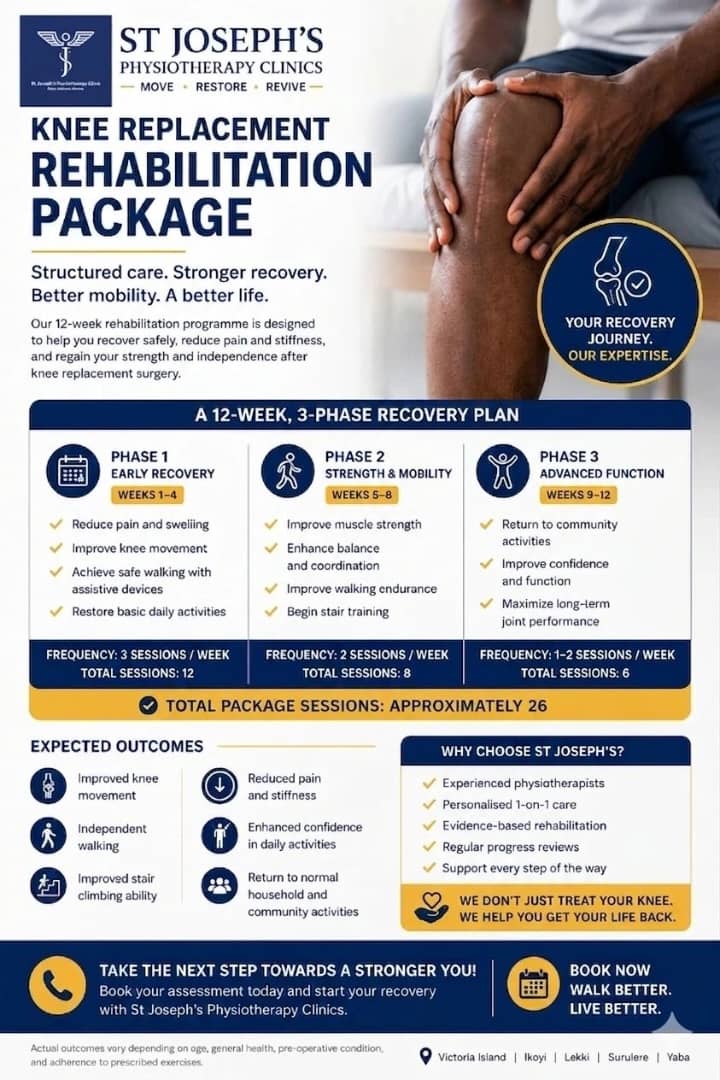
Complete Knee Replacement Rehabilitation Package in Lagos
Knee replacement surgery is a major step toward pain relief and improved mo…

NAMDA threatens strike over unpaid medical lecturers’ allowances
The Nigerian Association of Medical and Dental Academics (NAMDA) has warned…

Resident Doctors Signal End to Strike Threat After High-Level Talks with Gbajabiamila
The threat of a nationwide indefinite strike by the Nigerian Association of…