World first-ever summit on hepatitis is aiming at defeating the disease which remains a major threat to human lives, worldwide.
Participants at the summit would urge countries to develop national programmes that could ultimately help eliminate viral hepatitis, said the World Health Organization, WHO, in a statement posted on its website recently.
“We know how to prevent viral hepatitis, we have a safe and effective vaccine for hepatitis B, and we now have medicines that can cure people with hepatitis C and control hepatitis B infection,” WHO Director, Global Hepatitis Programme, Dr Gottfried Hirnschall was quoted as saying in the statement .
The organization quoted Himschall further as saying “access to diagnosis and treatment is still lacking or inaccessible in many parts of the world. This summit is a wake-up call to build momentum to prevent, diagnose, treat – and eventually eliminate viral hepatitis as a public health problem.”
Though the outcome of the summit was not made available by the WHO, the global health institution informed that 400 million people “are currently living with viral hepatitis, and the disease claims an estimated 1.45 million lives each year, making it one of the world’s leading causes of death. Hepatitis B and C together cause approximately 80% of all liver cancer deaths, yet most people living with chronic viral hepatitis are unaware of their infection.
.jpg)
“The summit, co-sponsored by WHO and the World Hepatitis Alliance, and hosted in Glasgow by the Scottish Government this week, is the first high-level global meeting to focus specifically on hepatitis, attracting delegates from more than 60 countries. The aim is to help countries enhance action to prevent viral hepatitis infection and ensure that people who are infected are diagnosed and offered treatment,” it added.
Participants at the summit, according to the agency, include health policymakers, patient groups, physicians and other key stakeholders. They were expected to issue a declaration underlining their belief that the elimination of viral hepatitis is possible and to also governments to work with WHO to define and agree on global targets for prevention, diagnosis and treatment of the condition.
WHO stated that it was launching a new manual for the development and assessment of national viral hepatitis plans at the summit, while policymakers and other key stakeholders at the 3-day meeting are would also the draft WHO Global Health Sector Strategy on Viral Hepatitis, which sets targets for 2030. The targets include a 90% reduction in new cases of chronic hepatitis B and C, a 65% reduction in hepatitis B and C deaths, and treatment of 80% of eligible people with chronic hepatitis B and C infections, according to the release.
“The World Summit, which is intended to become an annual event, aims to focus attention on a public health approach to viral hepatitis and to be a central forum for countries to share their experience and best practices to drive rapid advances in national responses,” the release stressed.
By: MARCUS FATUNMOLE
National Mirror
ABUJA: Training Schedule for Basic Life Support BLS, Pediatric Advanced Life Support (PALS), Advanced Cardiovascular Life Support ACLS, First Aid, CPR, AED
PORTHARCOURT: Training Schedule for Basic Life Support BLS, Pediatric Advanced Life Support (PALS), Advanced Cardiovascular Life Support ACLS, First Aid, CPR, AED
LAGOS: Training Schedule for Basic Life Support BLS, Pediatric Advanced Life Support (PALS), Advanced Cardiovascular Life Support ACLS, First Aid, CPR, AED
STOP paying for airtime and electricity, Let your phone pay its bills with ScreenT
You may also like
Comrade Lemii Christian Emerges Chairman of NANNM Rivers State Branch in Historic Victory
PORT HARCOURT, NIGERIA Following the long awaited National Association of N…

FG Supports Robotic Surgery Expansion to Reduce Medical Tourism
Nigeria is taking another step toward strengthening specialised healthcare …
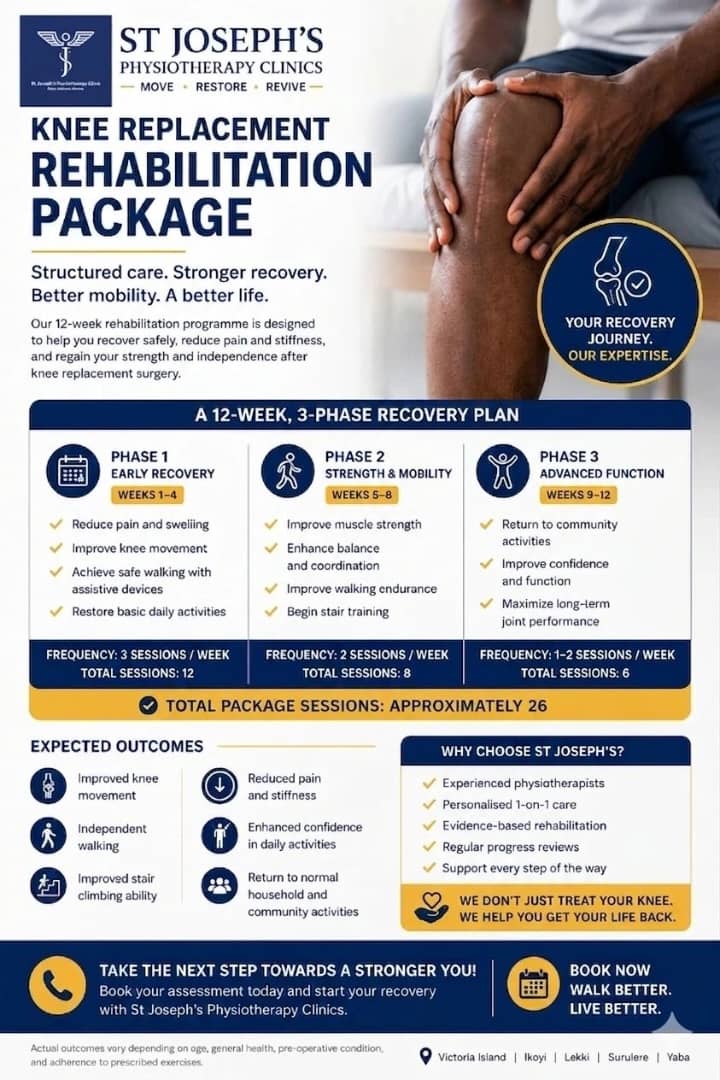
Complete Knee Replacement Rehabilitation Package in Lagos
Knee replacement surgery is a major step toward pain relief and improved mo…

NAMDA threatens strike over unpaid medical lecturers’ allowances
The Nigerian Association of Medical and Dental Academics (NAMDA) has warned…

Resident Doctors Signal End to Strike Threat After High-Level Talks with Gbajabiamila
The threat of a nationwide indefinite strike by the Nigerian Association of…