Can you imagine a future with large population of Nigerians having small heads and brain? This could happen if there is an outbreak of a genetically modified strain of Zika Virus, experts warn. Contrary to the assurance given by the Minister of Health, that several Nigerians are immune to the virus according to a study carried out in 1970, this reemerged virus causing havoc in Brazil, could be dangerous to Nigerians if it is a mutated strain as scientists implied, during a scientific symposium on Zika Virus at the Nigerian Institute of Medical Research (NIMR). Experts are of the opinion that there is something different about the virus in the current outbreak in Brazil, considering the dramatic rise in cases of microcephaly, a birth defect that result in babies born with unusually small heads.
The increase in babies born with this condition has been more than 20-fold compared with previous years—from maybe 150 cases to more than 3,000 cases in a few months. Flaminia Catteruccia, associate professor of immunology and infectious diseases at Harvard T.H. Chan School of Public Health, says the virus may have adapted to the human environment and mutated. Recent studies also point to a possibility that the 2007 strain of Zika may be a mutation of the original virus found in Uganda during the 90’s. This new strain is apparently more deadly, has learnt to spread more quickly- with human to human transmission now possible, and has a possible correlation to an increase in microcephaly and possibly also Guillain- Barré syndrome, an autoimmune disease of the nervous system now on the rise among adults in Brazil.
“If actually, the Brazilian strain of Zika virus is a mutated strain, then this will pose a serious trouble to the country in the event of an outbreak, Dr. Greg Ohihoin, a NIMR researcher and Gynaecologist, warned, while calling for vigilant at the port. And even if unchanged, there is still need to be cautious since the study showed only 40 per cent Nigerians have immunity against the virus, NIMR experts said.
“Going by the study, 60 per cent of the populace is still at risk. Moreover, even if it is one person, everyone’s life counts so control measures should be put in place to prevent outbreak”, NIMR Director General, Prof. Innocent Ujah, told National Mirror. Since the virus has been in Nigeria since 1954, it is believed that many citizens have developed strong immunity to the virus, what is unclear is whether their immunity can withstand a mutated strain, Dr. Ohihoin said.
 Already, about 4000 cases have been confirmed in Brazil, with 400 cases of microcephaly, since the outbreak in 2015. Although its main route of transmission is via mosquitoes, several new cases this year have been linked to sexual contact. An international Immunologist and Biologist from Australia, Professor Edward Steel, says this indicates the virus is evolving quickly, learning to spread through the human race without the need of an insect vector. “It points towards a future where the virus is able to insert information into the human genome in a similar way to HIV, allowing it to spread like wildfire through the global population”, he said. So rather than Nigerians turning deaf ears to the Zika threat, an Entomologist at NIMR, Dr. Sam Awolola, calls for vector surveillance.
 “Through vector control, government can identify areas of high risk, changes in vector density and distribution. There is a need to be aware of possible local transmission in areas where Aedes mosquitoes are more active. “Disease surveillance should also include informing women of reproductive age about the risk of travelling to areas with outbreak, and evaluating those who travelled to such places while pregnant. It should also include evaluating foetus and infants of women infected while pregnant for possible congenital infections”, he said. Because the Aedes mosquitoes that cause Zika virus have developed resistance to insecticides, Dr. Awolola explained that it is difficult to completely eradicate them. “The eggs can hibernate for three months, it can withstand draught and desiccation.
It can breed anywhereindoors and outdoors, and bites daytime and night time”, he added. However, vector control measures such as spraying insecticide, fumigation, and fogging can help reduce the mosquito and possible infection. Even though the virus has no cure and no vaccine, the main concern is for pregnant women because of the possible link between the virus and microcephaly, Dr. Ohihoin explained. Although this link has not been proved scientifically, it has been proven though that the virus can be transmitted through the placenta to the baby, and during delivery, he said. “Microcephaly on its own is not a problem if it affects menopausal women or men, because many do not develop symptoms at all. For those who fall ill, they have minor symptoms such as fever, rash, joint pains, red eyes, headache and muscle pain lasting up to a week. But no deaths had been reported”, he added. “This is a call for us to sanitize our environment and ensure reduction of mosquito breeding sites, by draining or discarding sources of standing water,” Prof. Ujah advised.
By: Franka Osakwe
National Mirror News
ABUJA: Training Schedule for Basic Life Support BLS, Pediatric Advanced Life Support (PALS), Advanced Cardiovascular Life Support ACLS, First Aid, CPR, AED
PORTHARCOURT: Training Schedule for Basic Life Support BLS, Pediatric Advanced Life Support (PALS), Advanced Cardiovascular Life Support ACLS, First Aid, CPR, AED
LAGOS: Training Schedule for Basic Life Support BLS, Pediatric Advanced Life Support (PALS), Advanced Cardiovascular Life Support ACLS, First Aid, CPR, AED
STOP paying for airtime and electricity, Let your phone pay its bills with ScreenT
You may also like
Comrade Lemii Christian Emerges Chairman of NANNM Rivers State Branch in Historic Victory
PORT HARCOURT, NIGERIA Following the long awaited National Association of N…

FG Supports Robotic Surgery Expansion to Reduce Medical Tourism
Nigeria is taking another step toward strengthening specialised healthcare …
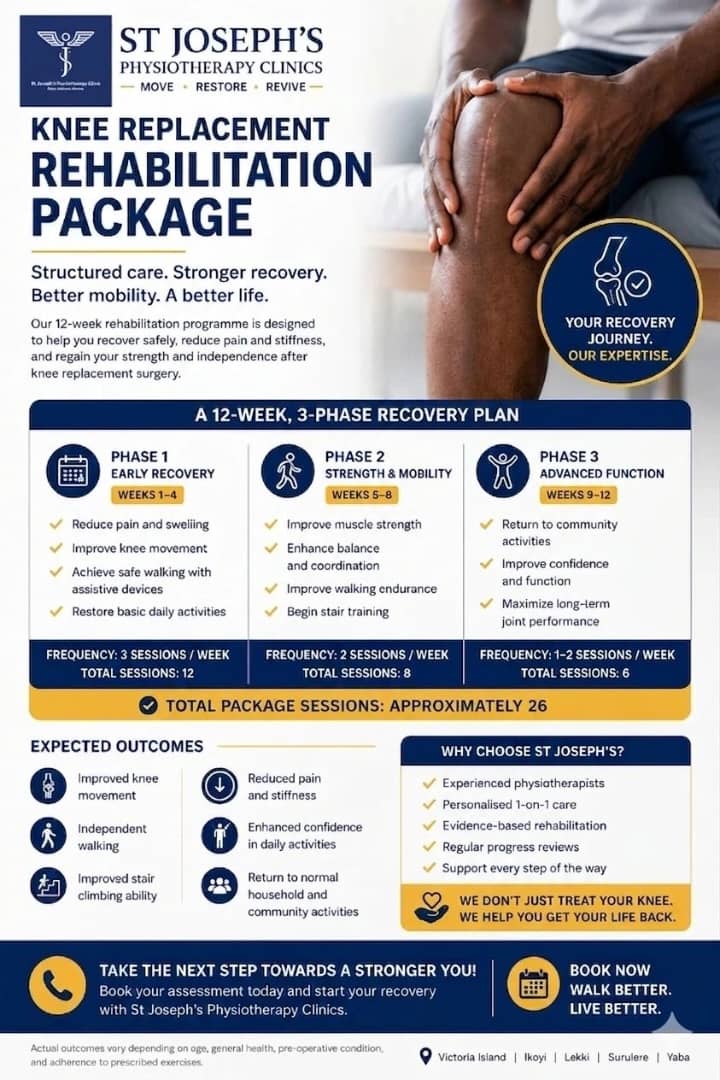
Complete Knee Replacement Rehabilitation Package in Lagos
Knee replacement surgery is a major step toward pain relief and improved mo…

NAMDA threatens strike over unpaid medical lecturers’ allowances
The Nigerian Association of Medical and Dental Academics (NAMDA) has warned…

Resident Doctors Signal End to Strike Threat After High-Level Talks with Gbajabiamila
The threat of a nationwide indefinite strike by the Nigerian Association of…
