In order to prevent future outbreak of Zika Virus, scientists at the Nigerian Institute of Medical Research (NIMR) have called for vector control and surveillance. The experts made the appeal during a scientific symposium held recently at the institute in Lagos. In his speech, an Entomologist at NIMR, Dr. Sam Awolola, appealed to government to identify areas of high risk and put vector surveillance measures in place. “There is a need to be aware of possible local transmission in areas where Aedes mosquitoes are more active.
 “Disease surveillance should also include informing women of reproductive age about the risk of travelling to areas with outbreak, and evaluating those who travelled to such places while pregnant. It should also include evaluating fetus and infants of women infected while pregnant for possible congenital infections”, he said. Dr. Awolola further explained that it is difficult to completely eradicate the aedes mosquitoes due to their high resistance to insecticides, but said vector control measures such as spraying insecticide, fumigation, and fogging can help reduce the mosquito and possible infection. “The eggs can hibernate for 3 months, it can withstand draught and desiccation.
 It can breed anywhere-indoors and outdoors, and bites daytime and night time, so it is difficult to completely eradicate”, he added. Dr. Greg Ohihoin, a NIMR researcher and Gynaecologist, also called for vigilant at the port. “ Even though the virus has no cure and no vaccine, the main concern is for pregnant women because of the possible link between the virus and microcephaly. Although this link has not been proved scientifically, it has been proven though that the virus can be transmitted through the placenta to the baby, and during delivery.
“Microcephaly on its own is not a problem if it affects menopausal women or men, because many do not develop symptoms at all. For those who fall ill, they have minor symptoms such as fever, rash, joint pains, red eyes, headache and muscle pain lasting up to a week. But no deaths had been reported”, he added. “This is a call for us to sanitize our environment and ensure reduction of mosquito breeding sites, by draining or discarding sources of standing water,” NIMR Director General, Prof. Innocent Ujah adviced.
By: Franka Osakwe
National Mirror News
ABUJA: Training Schedule for Basic Life Support BLS, Pediatric Advanced Life Support (PALS), Advanced Cardiovascular Life Support ACLS, First Aid, CPR, AED
PORTHARCOURT: Training Schedule for Basic Life Support BLS, Pediatric Advanced Life Support (PALS), Advanced Cardiovascular Life Support ACLS, First Aid, CPR, AED
LAGOS: Training Schedule for Basic Life Support BLS, Pediatric Advanced Life Support (PALS), Advanced Cardiovascular Life Support ACLS, First Aid, CPR, AED
STOP paying for airtime and electricity, Let your phone pay its bills with ScreenT
You may also like
Comrade Lemii Christian Emerges Chairman of NANNM Rivers State Branch in Historic Victory
PORT HARCOURT, NIGERIA Following the long awaited National Association of N…

FG Supports Robotic Surgery Expansion to Reduce Medical Tourism
Nigeria is taking another step toward strengthening specialised healthcare …
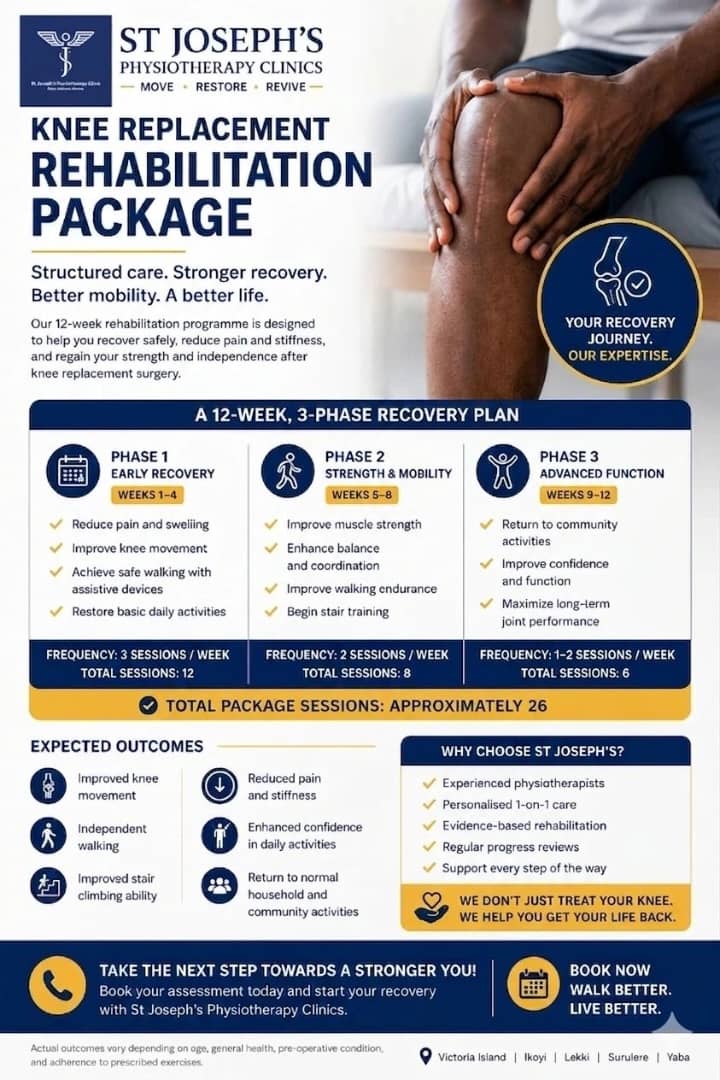
Complete Knee Replacement Rehabilitation Package in Lagos
Knee replacement surgery is a major step toward pain relief and improved mo…

NAMDA threatens strike over unpaid medical lecturers’ allowances
The Nigerian Association of Medical and Dental Academics (NAMDA) has warned…

Resident Doctors Signal End to Strike Threat After High-Level Talks with Gbajabiamila
The threat of a nationwide indefinite strike by the Nigerian Association of…