Nigeria’s healthcare sector is once again in the spotlight as stakeholders raise concerns over the National Assembly’s proposal to create multiple new health commissions. While the idea may sound progressive, experts warn that this move could be economically wasteful and further weaken an already underfunded system.
The proposed agencies include a Surrogacy Commission, a National Accreditation and Standards Commission, a Tertiary Health Institutions Commission, and several Sickle Cell Research and Therapy Centres across the country. On paper, these initiatives aim to improve healthcare delivery and expand access to specialized services. However, critics argue that the reality could be very different.
Nigeria’s existing health institutions, such as the Nigeria Institute of Pharmaceutical Research and Development (NIPRD) and the Nigeria Institute of Medical Research (NIMR), are struggling with chronic underfunding. These bodies have the mandate and capacity to handle research, accreditation, and policy development, yet they remain starved of resources. Instead of strengthening these institutions, creating new commissions could lead to duplication of roles, bureaucratic bottlenecks, and unnecessary spending.
The financial implications are staggering. Establishing new agencies means hiring staff, setting up offices, and allocating budgets—all in a country where healthcare funding is already inadequate. Critics believe this approach prioritizes political interests over practical solutions, diverting funds that could be used to upgrade hospitals, train healthcare workers, and improve patient care.
Beyond the economic concerns, there is the issue of efficiency. Adding more layers of bureaucracy could slow down decision-making and create confusion over responsibilities. Rather than solving existing problems, this move risks creating new ones, leaving patients to bear the brunt of a fragmented system.
A more sustainable approach would be to channel resources into existing institutions, ensuring they have the funding and oversight needed to fulfill their mandates. Strengthening these bodies could deliver better outcomes without inflating costs or complicating governance.
As the debate continues, one question looms large: Will Nigeria choose a path that prioritizes patient care and accountability, or will it succumb to the temptation of expanding bureaucracy at the expense of efficiency? The answer could determine the future of healthcare for millions of Nigerians.
You may also like
Comrade Lemii Christian Emerges Chairman of NANNM Rivers State Branch in Historic Victory
PORT HARCOURT, NIGERIA Following the long awaited National Association of N…

FG Supports Robotic Surgery Expansion to Reduce Medical Tourism
Nigeria is taking another step toward strengthening specialised healthcare …
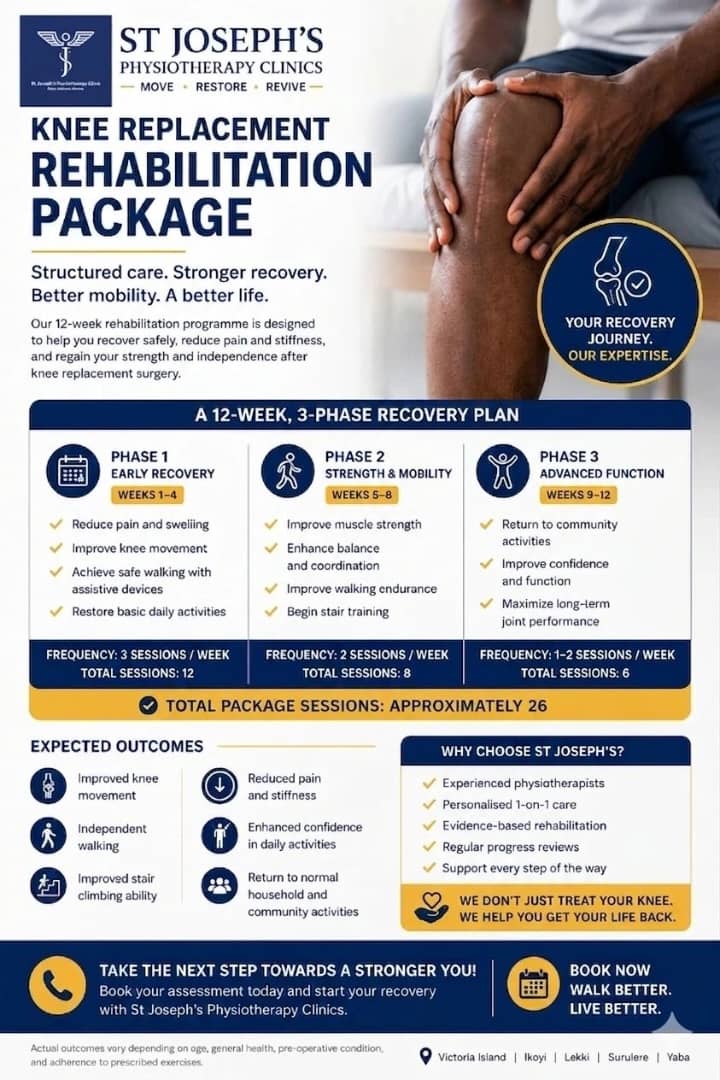
Complete Knee Replacement Rehabilitation Package in Lagos
Knee replacement surgery is a major step toward pain relief and improved mo…

NAMDA threatens strike over unpaid medical lecturers’ allowances
The Nigerian Association of Medical and Dental Academics (NAMDA) has warned…

Resident Doctors Signal End to Strike Threat After High-Level Talks with Gbajabiamila
The threat of a nationwide indefinite strike by the Nigerian Association of…