The National President of the Association of Medical Laboratory Scientists of Nigeria (AMLSN), Dr. Casmir Ifeanyi, has warned that the persistent gap between budgeted health allocations and the actual funds released by government authorities is placing Nigeria’s healthcare system under severe strain and endangering lives.
Speaking in an interview with Good Health Weekly, Ifeanyi said the failure to fully release approved health sector funds is crippling hospitals, weakening diagnostic services, and discouraging healthcare professionals.
“Ultimately, budgeting without full fund release undermines effective healthcare delivery and erodes public trust,” he said. “To safeguard the health and productivity of Nigerians, budgeted health funds must be fully and promptly released and implemented.”
He added that the situation not only threatens patient outcomes but also contributes to the growing exodus of healthcare workers.
“This not only endangers lives but also demoralises healthcare professionals and accelerates the loss of skilled personnel,” he said.
Causes of funding gaps
Explaining the factors responsible for the discrepancy between allocated and released funds, Ifeanyi cited a range of systemic problems affecting public financial management.
According to him, weak government revenue, corrupt practices such as budget padding and diversion of funds, unrealistic budgeting projections, low capacity utilisation, and poor transparency in disbursement processes all contribute to the shortfall.
“Funding shortfalls from weak revenues, corrupt practices such as budget padding and fund diversion, defective budgeting templates with unrealistic projections, low capacity utilisation delaying fund absorption, and lack of transparency in disbursement all compromise healthcare delivery,” he stated.
He noted that these challenges are already affecting the operations of hospitals and laboratories across the country.
“Hospitals and laboratories are struggling to maintain equipment, procure essential supplies, and run diagnostic and treatment services. This leads to delayed care, misdiagnoses, and preventable deaths,” he said.
Ifeanyi further warned that weakened funding is undermining disease surveillance and outbreak response systems, while healthcare workers face mounting frustration, burnout, and migration abroad. Rural and vulnerable populations, he added, are bearing the brunt of the situation.
Concerns over reliance on foreign aid
The AMLSN president also expressed concern about Nigeria’s heavy dependence on international donors to support healthcare programmes.
While acknowledging that global partners provide vital vaccines, medical equipment, and essential medicines, he cautioned that overreliance on external funding could distort national priorities.
“Substantial international funding provides vaccines, equipment, and essential drugs, but it can distort health priorities, weaken domestic accountability, and threaten sustainability if support ends,” he said.
“International funding should complement, not replace, government resources.”
Call for transparency
Ifeanyi stressed that transparency and accountability in the management of health sector funds are essential to restoring public confidence in the system.
He criticised federal tertiary health institutions for failing to publish their annual financial reports despite receiving government allocations and generating internal revenue.
“The failure of federal tertiary institutions to publish Annual Financial Reports despite receiving budget allocations and generating revenue fosters opacity that enables mismanagement and corruption,” he said.
According to him, improved transparency would deter corruption, strengthen planning processes, and ensure more efficient use of available resources.
Proposed reforms
To address the problem, Ifeanyi proposed several measures aimed at improving financial governance in the health sector.
These include publishing budget allocations and expenditures by ministries, hospitals, and agencies; conducting independent audits with publicly disclosed findings; introducing real-time digital systems to track fund disbursements; strengthening oversight by parliamentary committees and anti-corruption agencies; and creating public dashboards to encourage citizen participation in monitoring government spending.
He also called for improved training of finance and health administrators in modern financial management and the enforcement of sanctions for mismanagement of public funds.
Citizens must demand accountability
The AMLSN president emphasised that citizens also have a role to play in holding public officials accountable for the use of health funds.
He cited existing mechanisms such as the Freedom of Information Act (Nigeria), public hearings by the National Assembly of Nigeria, watchdog organisations such as BudgIT and Transparency International Nigeria, as well as digital financial tracking platforms like the Government Integrated Financial Management Information System (GIFMIS).
“These platforms allow citizens to monitor fund releases, question discrepancies, report misuse, and advocate corrective action,” he said.
Health funding a moral obligation
Ifeanyi warned that unless the funding gap is urgently addressed, Nigeria risks deeper public health crises and a further erosion of trust in healthcare institutions.
“Health is a core government responsibility,” he said. “Ensuring full release of budgeted funds is not just administrative, it is a moral and practical imperative to save lives and strengthen Nigeria’s health system.”
You may also like
Comrade Lemii Christian Emerges Chairman of NANNM Rivers State Branch in Historic Victory
PORT HARCOURT, NIGERIA Following the long awaited National Association of N…

FG Supports Robotic Surgery Expansion to Reduce Medical Tourism
Nigeria is taking another step toward strengthening specialised healthcare …
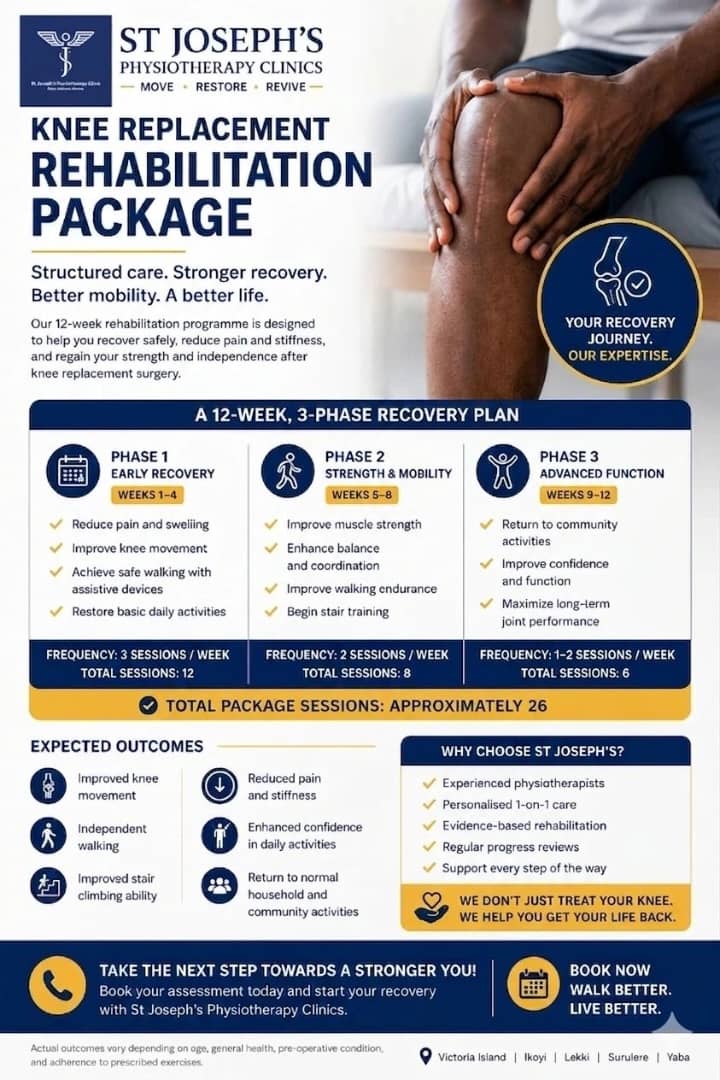
Complete Knee Replacement Rehabilitation Package in Lagos
Knee replacement surgery is a major step toward pain relief and improved mo…

NAMDA threatens strike over unpaid medical lecturers’ allowances
The Nigerian Association of Medical and Dental Academics (NAMDA) has warned…

Resident Doctors Signal End to Strike Threat After High-Level Talks with Gbajabiamila
The threat of a nationwide indefinite strike by the Nigerian Association of…