Experts believe the emergence of new coronavirus variations in Africa have contributed to in an increase in the number of cases in many countries on the continent. There's also concern that these variants can't easily be tracked because the the type of testing required to identify them isn't available in most countries.
What's happening to case numbers?
At least 40 countries have now seen a second wave of the pandemic, including all countries in the southern Africa region, says the Africa Centres for Disease Control (CDC).
"This new wave of infections is thought to be associated with the emergence of variants that are more transmissible."
A new variant of the virus emerged in South Africa last year, and has contributed to record case numbers in the southern African region, according to the World Health Organization (WHO).
Elsewhere in Africa, this variant has also been officially recorded in Botswana, Ghana, Kenya, Comoros and Zambia.
It's highly likely to have reached other countries on the continent, but few have the capacity to carry out the specialised genomic sequencing required to detect coronavirus variants.
South Africa variant: What's the risk?
"Initial analysis indicates that the [South African] variant... may spread more readily between people," according to the WHO.
It doesn't appear to cause more serious illness.
However a new study shows the Oxford-AstraZeneca vaccine - the first to have arrived in South Africa - offers "minimal protection" against mild and moderate cases of Covid-19 arising from the new strain.
The study by the University of the Witwatersrand didn't investigate the vaccine's efficacy in preventing more serious infections.
In South Africa itself, daily new case numbers have started to fall significantly after a second peak.
And because there are many more cases in South Africa than anywhere else on the continent, this has resulted in an overall fall of 4% in new cases across the continent over the past month, according to the CDC.
In Nigeria, scientists have also identified a new variant of the virus, although they say there is currently no evidence to indicate it is contributing to increased transmission.
However, cases in Nigeria have been on the rise since early December, and are only just starting to trend downwards.
Death rates have been rising
During the first stage of the pandemic, Africa's overall fatality rates -the proportion of those with Covid who then die - were lower than those elsewhere in the world.
There were a number of theories put forward as to why that might be the case, such as the relatively younger population, and possible cross-immunity from other coronaviruses.
But the Africa CDC has now warned about rising fatality rates in the continent, saying that of the 55 countries they monitor, 21 are now reporting fatality rates above the current global average of 2.2%.
The fatality rate for Africa has crept up since July last year when it was 2.1% - to 2.6% in February this year.
It's worth pointing out that the global fatality rate has also come down since the start of the pandemic, which in itself would put more African countries above the global average.
And fatality rates are affected by how much testing is done - a country with low levels of testing will show a higher death rate because many non-fatal Covid cases are going undetected.
More importantly, data for deaths should be treated with caution, given the wide variations in how countries record them.
In South Africa, research into excess deaths - that's the number of deaths in a certain period above what would normally be expected - shows that there were 83,918 between 6 May last year and 5 January this year.
The official death toll from Covid-19 since the start of the pandemic is currently at just under 45,000 deaths.
And South Africa was just one of eight countries on the continent that the BBC found in a recent investigation had adequate death registration systems.
So coronavirus deaths across Africa as a whole are likely to be under-recorded.
How much testing is done in Africa?
The WHO says testing in Africa is still low compared to other regions, and there's also concern that irregular levels of testing over time may be masking the true spread of the virus.
There are wide variations in testing rates and while some countries have reduced testing, others have maintained or even increased it at different points during the pandemic.
Of the bigger countries, South Africa has been doing the most and Nigeria doing relatively few tests per capita, according to Our World in Data, a UK-based project which collates Covid-19 information.
However, in some countries there are insufficient or no data available on testing to know how much is being done.
Tanzania for example stopped releasing data in May last year. President John Magufuli has been insisting the country is free from the virus.
The King's Global Health Institute, which tracks the pandemic in sub-Saharan Africa, says that testing activity in some countries also fell back after the first wave of the virus had subsided.
"Those countries that cut back on testing after the first wave will...have had less extensive and timely intelligence from surveillance," it says.
By Peter Mwai, BBC
You may also like

FG Supports Robotic Surgery Expansion to Reduce Medical Tourism
Nigeria is taking another step toward strengthening specialised healthcare …
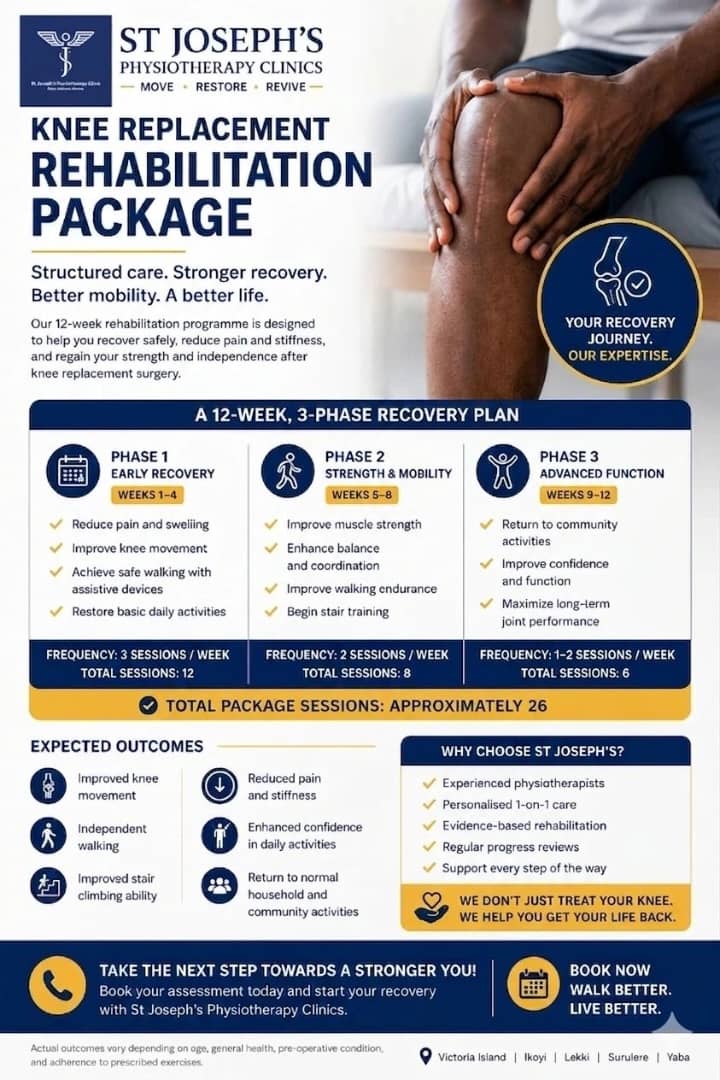
Complete Knee Replacement Rehabilitation Package in Lagos
Knee replacement surgery is a major step toward pain relief and improved mo…

NAMDA threatens strike over unpaid medical lecturers’ allowances
The Nigerian Association of Medical and Dental Academics (NAMDA) has warned…

Resident Doctors Signal End to Strike Threat After High-Level Talks with Gbajabiamila
The threat of a nationwide indefinite strike by the Nigerian Association of…
AMLSN Issues Strong Rejoinder to NAMDA on Public Service Establishment Matters
The Association of Medical Laboratory Scientists of Nigeria (AMLSN) has rel…
