The Nigerian Association of Medical and Dental Academics (NAMDA) has issued a strong warning about what it calls an impending crisis in Nigeria’s healthcare system. In a petition to the Head of Civil Service, the association described the situation as a “threat to patient safety in the nation’s hospital system” and urged immediate action to halt the creation of new consultant cadres for pharmacists, nurses, and midwives “The creation of the post of consultant pharmacist has generated professional crisis in the hospital which has the potential to bring down the entire organisational structure… with attendant major catastrophic mortality and morbidity. We warn!!”
Why the Title ‘Consultant’ Matters
NAMDA explains that the term “Consultant” in a hospital setting is not just a title—it signifies ultimate responsibility for patient care. Globally, this designation is reserved for physicians, surgeons, and dentists who have completed rigorous postgraduate training lasting six to ten years. These specialists are regulated by laws such as the National Medical College Act, Medical and Dental Council Act, Residency Training Act, and National Health Act. “The term ‘Consultant’ in a hospital setting is used to define physicians who have undertaken specialised training… and having completed such training which ranges from six to ten years are then registered… as specialists and subsequently appointed as consultants in hospitals.”
The Risk of Confusion and Clinical Chaos
NAMDA warns that introducing consultant pharmacists and nurses into hospital structures could create confusion over clinical authority, leading to dangerous delays and errors in patient management. It stands logic on its head to create consultant cadres for all and sundry in the hospital including ‘cleaners and attendants’ for a mere tokenism of pressure groups and unionism.”
The association argues that while allied health professionals play vital roles, their functions are distinct from those of medical doctors. Blurring these lines could result in avoidable morbidity and mortality.
The petition also alleges that some officials within the Federal Ministry of Health have pressured hospitals to convert pharmacists with fellowship certificates into consultant positions—bypassing established recruitment protocols and inflating hospital budgets. “This action… significantly bloating the hospital budgets and thus putting unnecessary financial strains on the hospital and the Federal Government in the middle of a financial year.”
NAMDA emphasizes that in countries where consultant pharmacists or nurses exist, they typically operate outside hospital settings—such as hospices, nursing homes, and community care—not within acute care environments where medical doctors bear ultimate responsibility. “A consultant pharmacist, in climes where they exist, operates outside the hospital settings—law courts, hospice, old peoples’ homes, home consult for the elderly and aged or the socially disadvantaged.”
The association suggests that the push for consultant titles among allied health professionals is driven by the desire to earn specialist allowances, which are currently reserved for medical consultants. NAMDA proposes an alternative: We recommend a change in the title ‘consultant’ to ‘specialist’ pharmacist, nurse and midwife… This can guarantee the personnel appointed to earn a negotiated specialist allowance once government has the means rather than turn the hospital environment into a lawless and disorganised work environment.”
NAMDA concludes its petition with a stark declaration: “We wish to place on record that the members of the NMA shall not practice in the same environment where these group of clinically irrelevant positions function… We will not be held accountable. A stitch in time saves nine. We warn yet again!!!” If these changes proceed unchecked, Nigeria’s hospitals could face a breakdown in clinical management order, increased financial strain, and a rise in preventable deaths. NAMDA’s message is clear: patient safety must come before politics and pressure groups.
You may also like
Comrade Lemii Christian Emerges Chairman of NANNM Rivers State Branch in Historic Victory
PORT HARCOURT, NIGERIA Following the long awaited National Association of N…

FG Supports Robotic Surgery Expansion to Reduce Medical Tourism
Nigeria is taking another step toward strengthening specialised healthcare …
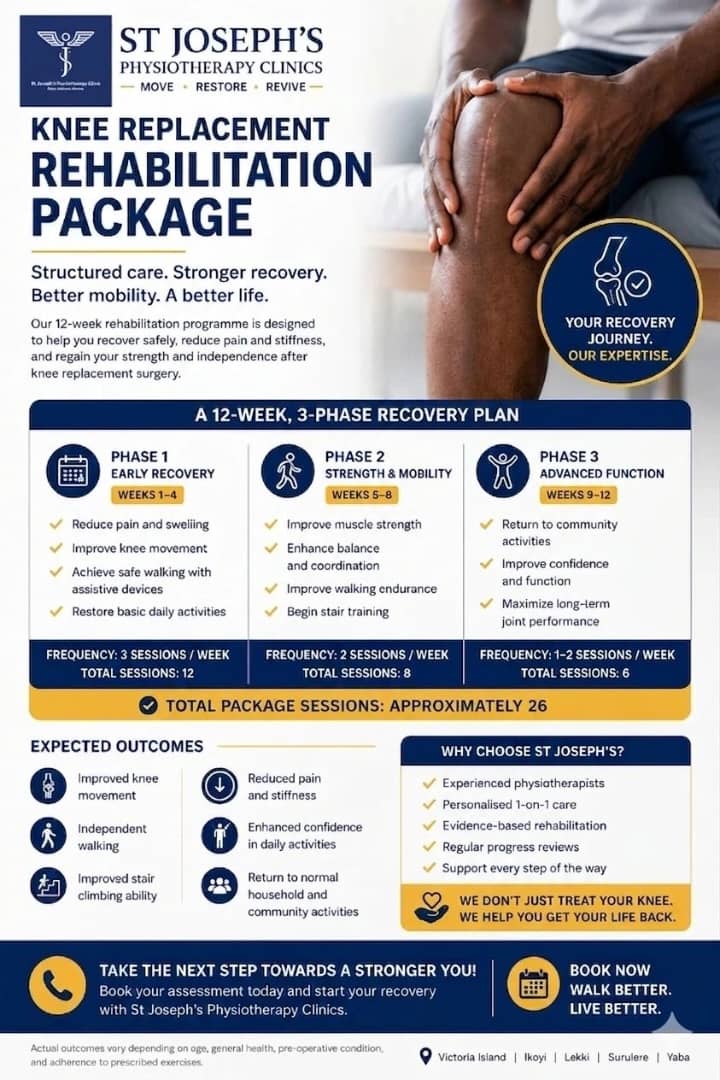
Complete Knee Replacement Rehabilitation Package in Lagos
Knee replacement surgery is a major step toward pain relief and improved mo…

NAMDA threatens strike over unpaid medical lecturers’ allowances
The Nigerian Association of Medical and Dental Academics (NAMDA) has warned…

Resident Doctors Signal End to Strike Threat After High-Level Talks with Gbajabiamila
The threat of a nationwide indefinite strike by the Nigerian Association of…