The Nigerian Association of Resident Doctors (NARD) has raised fresh concerns over the worsening brain drain in the country’s health sector, warning that Nigeria is fast approaching a critical breaking point as thousands of medical professionals continue to leave the country.
The National President of NARD, Dr. Mohammad Suleiman, disclosed that more than 15,000 Nigerian doctors have emigrated since 2014, with 4,700 alone exiting the country in 2024. He cautioned that if the trend persists, Nigeria could lose another 15,000 doctors within the next 10 years.
Dr. Suleiman spoke yesterday at the opening of a five-day training programme on effective policymaking and strategic leadership for NARD leaders, held at the National Institute for Policy and Strategic Studies (NIPSS), Kuru.
“Facts don’t lie. Figures don’t lie. In 2024, 4,700 doctors left the shores of Nigeria. Every year we produce between 2,000 and 3,000 doctors, yet we are losing far more than we produce. If this continues, Nigeria cannot survive it,” he said.
He painted a grim picture of the country’s healthcare workforce, noting that Nigeria currently has fewer than 30,000 doctors catering to an estimated population of over 240 million people. According to him, this translates to a doctor-to-patient ratio of roughly one doctor to more than 10,000 citizens.
“This is not sustainable,” Suleiman warned. “In 10 to 15 years, Nigerians will walk into hospitals and find no doctors to attend to them.”
The NARD president explained that the association’s recent engagements with the Federal Government were driven by the urgent need to avert a total collapse of the health system.
“These decisions are not easy. They are tough. But we take them because we know what lies ahead if nothing changes,” he said.
Suleiman stressed that NARD is not making fresh financial demands on the government but is instead calling for the full implementation of previously agreed policies that would strengthen the health system without imposing additional costs.
“These are agreements that won’t cost the government a penny,” he said. “Issues like membership certificates, employment processes, workload management and local training policies are measures that strengthen the entire system, not just resident doctors.”
He expressed cautious optimism that improved understanding between NARD and the government could prevent future industrial actions.
“If the understanding we have now is sustained, I don’t foresee any strike in the near future,” he added.
Earlier, the Director-General of NIPSS, Professor Ayo Omotayo, commended NARD for investing in leadership development and policy literacy, describing the training as a proactive step toward addressing systemic challenges in Nigeria’s health sector.
According to him, the programme would equip young medical leaders with the skills required to engage policymakers effectively and contribute meaningfully to reforms aimed at stabilising and strengthening the nation’s healthcare system.
You may also like
Comrade Lemii Christian Emerges Chairman of NANNM Rivers State Branch in Historic Victory
PORT HARCOURT, NIGERIA Following the long awaited National Association of N…

FG Supports Robotic Surgery Expansion to Reduce Medical Tourism
Nigeria is taking another step toward strengthening specialised healthcare …
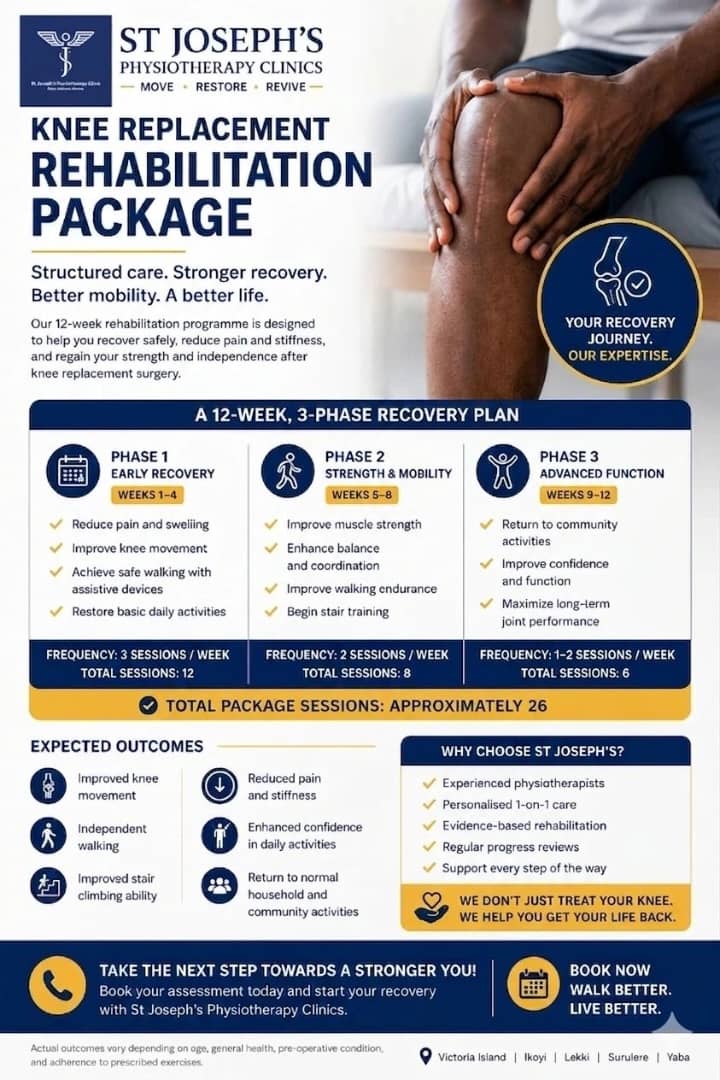
Complete Knee Replacement Rehabilitation Package in Lagos
Knee replacement surgery is a major step toward pain relief and improved mo…

NAMDA threatens strike over unpaid medical lecturers’ allowances
The Nigerian Association of Medical and Dental Academics (NAMDA) has warned…

Resident Doctors Signal End to Strike Threat After High-Level Talks with Gbajabiamila
The threat of a nationwide indefinite strike by the Nigerian Association of…