A Medical Laboratory Scientist/Biomedical Scientist is a certified health professional whose duty is to diagnose and manage disease through the analysis of blood, urine and other body fluids. He uses knowledge gained on the principles of how the human body works to find new ways to diagnose, cure or treat disease.
The training and titles of Biomedical Scientist vary from country to country. In Nigeria, Medical Scientists are required to obtain a Bachelor of Medical Laboratory Sciences degree (BMLS) and be issued a license by the Medical Laboratory Science Council of Nigeria (MLSCN) before such person can practice as a medical laboratory scientist. This training lasts for six years. It involves both pre-clinical, clinical and internship/housemanship. Basic medical sciences like physiology, anatomy, biochemistry are the core content of the pre-clinical school while the major courses of clinical school are haematology, immunology, pathology clinical chemistry, medical microbiology, pharmacology and molecular biology to mention a few.
Over 70% of decisions made by physicians are totally based on laboratory results. Hence, a profession with such an immense importance to quality diagnosis ought to be given serious attention in a country like Nigeria, but instead, its very existence is threatened and its workforce little. The health system run in Nigeria is such that every other profession apart from Medicine and Surgery is given little or no attention. Presently, the practice of medical laboratory sciences is being handled with laxity by the Nigeria health sector, its workers are poorly paid, its relevance is constantly denied and different attempts are being made to either silence it or make its presence of non effect.
According to paul D. Ellner, "Biomedical scientist" is the protected title used by professionals qualified to work unsupervised within the pathology department of a hospital.. These professions are regulated within the United Kingdom by the Health professions council. Anyone who falsely claims to be a biomedical scientist commits an offence and could be fined up to £5000. [Paul D. Ellner (2006). The Biomedical Scientist as Expert Witness. ASM Press. ISBN 1-55581-345-3.] Unlike in Nigeria, where just anybody can claim to be able to work as a medical scientist.

If the United Kingdom place such a high value on this profession and other countries like Canada and New Zealand provide wonderful system where Medical Scientists thrive. We can then conveniently conclude that, the reason why health care delivery in these countries is better than ours is that they do not run their health sector based on popularity or favoritism but on relevance.
Medical Laboratory Scientists make up a vital component of the health care team. Majority of the decisions doctors make are based on the test results generated by medical scientists. Despite this, much of the general public are ignorant of this profession and the important role they play. Doctors and other health professionals, who often incorrectly referred to medical scientists as laboratory technicians, cause this lack of awareness.
As we move further into the 21st century, the world health organization has declared that diseases of public health importance continue to be a significant global threat. Widespread epidemics could cost millions of lives, and many countries are still struggling with a longstanding battle against rampant infectious diseases
In order to deal effectively with the detection, treatment and prevention of these global threats to the health of the public, it is essential that accurate and reliable health laboratory testing be available in every country.
The following recommendations were made;
. The placement of skilled laboratory scientists/managers with sufficient authority in leadership positions in the ministries of health;
. Creation of a national laboratory quality office and appointment of a quality officer with authority and responsibility for oversight of national laboratory quality programmes;
. The allocation of adequate financial resources to ensure compliance with national quality programmes.
. Ensure that laboratory facilities and infrastructure are adequate and properly maintained for all testing being performed;
. Ensure safety in all health laboratory facilities to protect workers within the laboratory, visitors to the facility and the public at large;
. Establish long-range plans for ensuring adequate and sustainable numbers of properly trained personnel for conducting laboratory operations to mention a few. (Joint WHO – CDC Conference on Health Laboratory Quality Systems, Lyon, France, 9 – 11 April 2008)
Considering these facts, it is shocking to know that Medical Laboratory Scientists in Nigeria have to fight for the things that should naturally be, more often than not, their rights are denied altogether while the doctors advocate for the former way of doing things to ensure they remain at the helms of affair. The system is collapsing due to these anomalies and no one seems to care. The focus of the country is not towards health care improvement seeing that more than 80% of the hospital workforce have been on strike for over 5 weeks and things are falling apart.
If this negligence continues, it will definitely result in a major setback for this country. Evidence Based Medicine (EBM) is the 21st century medicine and the evidences are in the Medical Laboratories, if it suffers then the whole system suffers.
By Molade James K. (BMLS; AMLSCN)
Medical Laboratory Manager,
Jrapha Hospital and maternity.
08063578779
ABUJA: Training Schedule for Basic Life Support BLS, Pediatric Advanced Life Support (PALS), Advanced Cardiovascular Life Support ACLS, First Aid, CPR, AED
PORTHARCOURT: Training Schedule for Basic Life Support BLS, Pediatric Advanced Life Support (PALS), Advanced Cardiovascular Life Support ACLS, First Aid, CPR, AED
LAGOS: Training Schedule for Basic Life Support BLS, Pediatric Advanced Life Support (PALS), Advanced Cardiovascular Life Support ACLS, First Aid, CPR, AED
STOP paying for airtime and electricity, Let your phone pay its bills with ScreenT
You may also like

Doctor Dies of Lassa Fever as Death Toll Exceeds 200: Renewed Call for Stronger Disease Control Measures
The death of a medical doctor from Lassa fever in Benue State has reignited…
BEYOND NEGLECT: OUR ADVOCACY IS FORGING A TRANSFORMED PROFESSION
BEYOND NEGLECT: OUR ADVOCACY IS FORGING A TRANSFORMED PROFESSIONTo all memb…
Nigeria Moves Closer to Eliminating River Blindness, Says NIMR
The Nigerian Institute of Medical Research (NIMR) has expressed renewed opt…
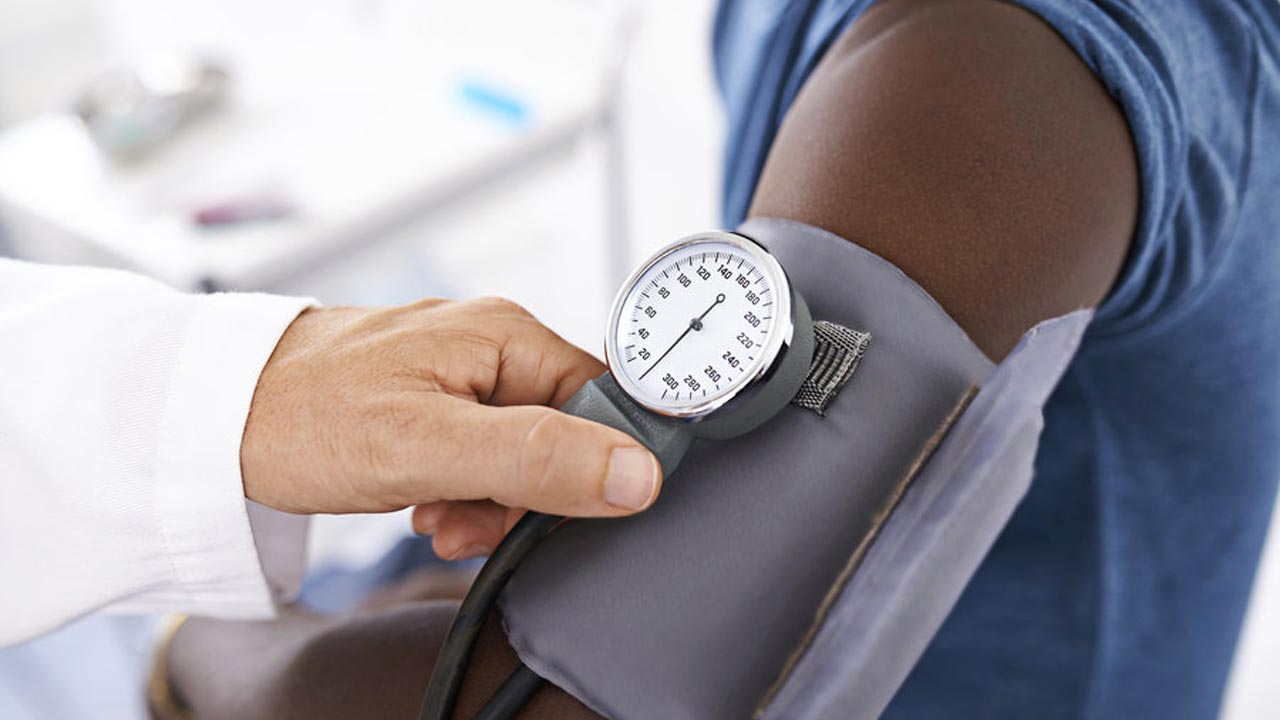
Nigeria’s Silent Crisis: Confronting the Realities of Hypertension and Diabetes
Amidst Nigeria’s wide-ranging public health challenges, two chronic conditi…

The Practicality and Benefits of Paying Ward Coat Allowance to Medical Professionals
In the evolving landscape of medical education and healthcare practices, th…