In this new study, they wanted to find out if losartan and other angiotensin inhibitors could decompress collapsed blood vessels in tumors.
The blood vessels collapse under the forces exerted when certain tumor cells called cancer-associated fibroblasts (CAFs) begin to multiply and produce extra collagen and a gel-like substance called hyaluronan.
Using lab mice, the team showed that both collagen and hyaluronan play a part in the compression of blood vessels inside tumors, but losartan stopped production of both of them by reducing CAFs.
Losartan belongs to a class of drug called angiotensin receptor blockers, which work in a different way to another group known as angiotensin-converting enzyme (ACE) inhibitors.
The team suggests angiotensin receptor blockers are more effective at reducing compression inside tumors.
When they used losartan on its own to treat mice with breast and pancreatic cancer, there was no effect on tumor growth.
But when they combined losartan with standard chemo drugs, they delayed tumor growth and the mice lived longer.
Dr. Jain says if you improve blood flow in tumors without the chemotherapy drugs, you risk actually speeding up tumor growth.
But if you combine the increased blood flow with chemotherapy or other anti-cancer therapy, such as radiotherapy or immunotherapy, then you stand a better chance of slowing the tumor, he adds.
As a result of this study, the MGH Cancer Center has already started a clinical trial to find out if losartan can improve treatment results in pancreatic cancer.
Grants from the National Cancer Institute and a research program award from the Department of Defense helped to fund the study. Both MGH and a private company co-founded by Dr. Jain have applied for a patent based on the work behind the study.
In another study published recently, researchers from Ireland found that ACE inhibitors may slow dementia decline.
You may also like

FG Supports Robotic Surgery Expansion to Reduce Medical Tourism
Nigeria is taking another step toward strengthening specialised healthcare …
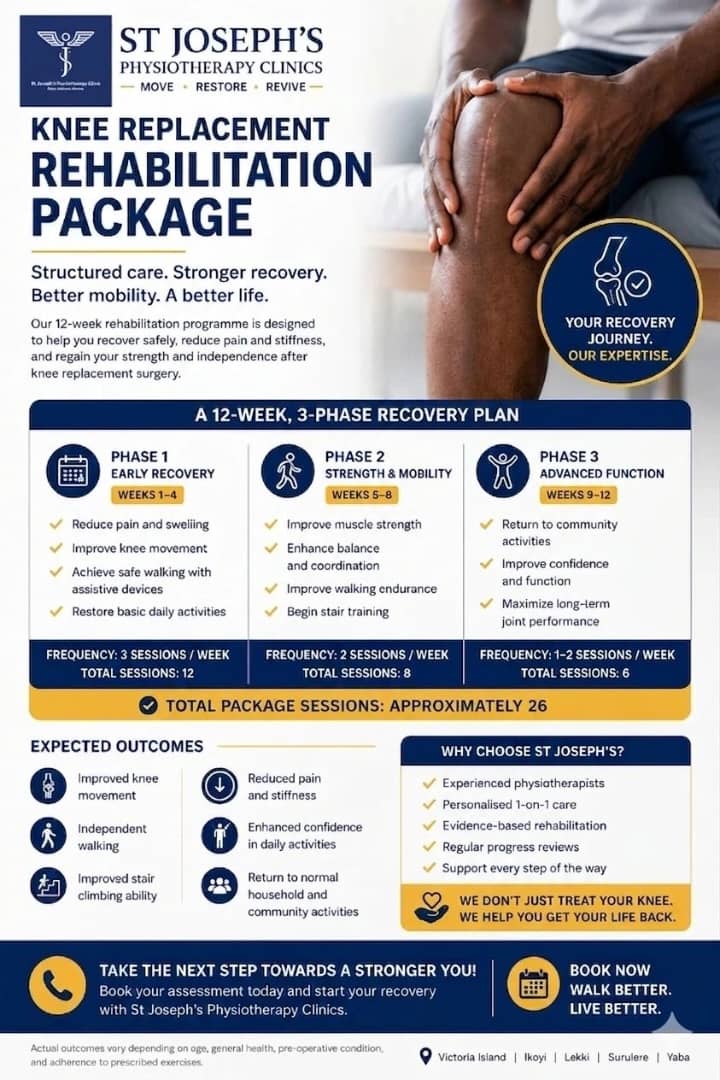
Complete Knee Replacement Rehabilitation Package in Lagos
Knee replacement surgery is a major step toward pain relief and improved mo…

NAMDA threatens strike over unpaid medical lecturers’ allowances
The Nigerian Association of Medical and Dental Academics (NAMDA) has warned…

Resident Doctors Signal End to Strike Threat After High-Level Talks with Gbajabiamila
The threat of a nationwide indefinite strike by the Nigerian Association of…

AMLSN Issues Strong Rejoinder to NAMDA on Public Service Establishment Matters
The Association of Medical Laboratory Scientists of Nigeria (AMLSN) has rel…