A new study finds that if we are repeatedly told about a fictitious autobiographical event, more than 50 percent of us are likely to believe we experienced it, and some of us may even elaborate on what happened.
Study co-author Dr. Kimberley Wade, of the Department of Psychology at the University of Warwick in the United Kingdom, and colleagues recently published their findings in the journal Memory.
Put simply, memory is the process by which the brain stores and retrieves information and past experiences. It is an imperative part of life, enabling us to form relationships, learn, plan, make decisions, and develop an overall sense of identity.
But memory recall is not a simple, flawless process. According to Dr. Wade and team, most researchers are in agreement that retrieving memories involves some degree of reconstruction - that is, memories can be pieced together through imagination, beliefs, social context, and even suggestions from other people.
"One implication of having a reconstructive and flexible memory system is that people can develop rich and coherent autobiographical memories of entire events that never happened," note the authors. In other words, some people can create "false memories."
Fictitious events 'remembered' by 30 percent of study subjects
 For their study, Dr. Wade and colleagues set out to get a better idea of the proportion of people who are susceptible to creating false memories.
 The researchers analyzed the data of eight studies that used "memory implantation" - whereby participants had false autobiographical events suggested to them, such as having problems with a teacher at school, taking a ride on a hot air balloon as a child, or causing trouble at a wedding.
These suggestions were repeated to participants, and the suggestive techniques involved narratives and/or photos of the fictitious events.
In total, the study included 423 participants, of whom around 53 percent showed some degree of belief that they had experienced the false events.
Of these subjects, more than 30 percent said they "remembered" the fictitious events, describing what occurred and even adding detail. A further 23 percent showed that they accepted the fictitious events and believed they actually occurred.
The researchers say their study has limitations. For example, they are unable to rule out the possibility that some subjects who created false memories may have actually retrieved genuine memories of events that were suggested to them, such as the hot air balloon ride, though they say such cases are rare.
Still, Dr. Wade and team believe their findings help shed light on our susceptibility to false memory formation.
Credits: medicalnewstoday
ABUJA: Training Schedule for Basic Life Support BLS, Pediatric Advanced Life Support (PALS), Advanced Cardiovascular Life Support ACLS, First Aid, CPR, AED
PORTHARCOURT: Training Schedule for Basic Life Support BLS, Pediatric Advanced Life Support (PALS), Advanced Cardiovascular Life Support ACLS, First Aid, CPR, AED
LAGOS: Training Schedule for Basic Life Support BLS, Pediatric Advanced Life Support (PALS), Advanced Cardiovascular Life Support ACLS, First Aid, CPR, AED
STOP paying for airtime and electricity, Let your phone pay its bills with ScreenT
You may also like

Doctor Dies of Lassa Fever as Death Toll Exceeds 200: Renewed Call for Stronger Disease Control Measures
The death of a medical doctor from Lassa fever in Benue State has reignited…
BEYOND NEGLECT: OUR ADVOCACY IS FORGING A TRANSFORMED PROFESSION
BEYOND NEGLECT: OUR ADVOCACY IS FORGING A TRANSFORMED PROFESSIONTo all memb…
Nigeria Moves Closer to Eliminating River Blindness, Says NIMR
The Nigerian Institute of Medical Research (NIMR) has expressed renewed opt…
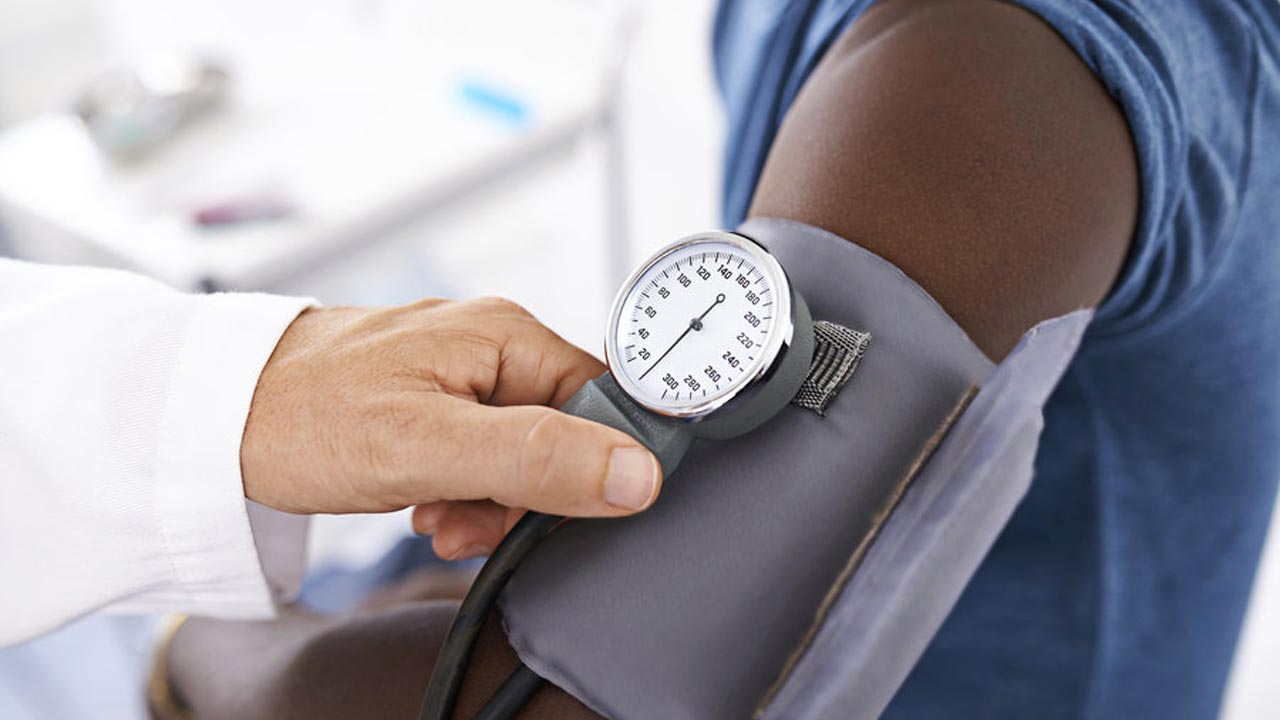
Nigeria’s Silent Crisis: Confronting the Realities of Hypertension and Diabetes
Amidst Nigeria’s wide-ranging public health challenges, two chronic conditi…

The Practicality and Benefits of Paying Ward Coat Allowance to Medical Professionals
In the evolving landscape of medical education and healthcare practices, th…
