Nigeria’s documentation to be declared polio free was on Thursday, June 18, 2020, accepted by the African Regional Commission for the Certification of Poliomyelitis Eradication (ARCC). The implication of this is that Nigeria has gone through the final process of Wild Polio Virus (WPV) eradication and certification and will officially be declared WPV free by the World Health Organisation (WHO) in August 2020.
Indeed, Nigeria recorded this breakthrough in polio elimination despite the activities of Boko Haram and the significant increase in Wild Polio Virus type one (WPV1) cases globally in 2019.
The feat is significant in the face of many challenges including the poor access to children in some parts of the country due to insecurity, poor health seeking behaviour of Nigerians, vaccine hesitancy, malnutrition, poor sanitation, and inadequate funding for Primary Health Care (PHC), especially at State and Local Government Area (LGA) levels.
Nigeria made history on August 21, 2019, when she achieved three years without a case of WPV. The last WPV case was isolated in a child in Borno State on August 21, 2016. The polio-free certification was after careful assessment of the risk of missed transmission in inaccessible areas of Borno, and other countries in the region where there is lack of confidence in surveillance.
The WHO, for the first time on September 25, 2015, delisted Nigeria from the polio-endemic list after interrupting transmission for 12 months beginning from July 24, 2014. Unfortunately, 25 months later, on August 21, 2016, another case of WPV was discovered.
“The ARCC during a virtual meeting on Thursday declared Nigeria polio free. This calls for celebration,” Chairman Expert Review Committee on Polio Eradication, Prof. Oyewale Tomori, had told The Guardian. Tomori, who is also a virologist and WHO consultant, said: “If you are talking about achievements in healthcare, please help me name one. Oh yes at least we have finally eradicated polio as the last nation in Africa to do so….”
President, Pharmaceutical Society of Nigeria (PSN), Mazi Sam Ohuabunwa, said: “One major success I think Nigeria has scored in recent times, is the eradication of wild polio virus.”
To the President, National Association of Resident Doctors (NARD), Dr. Aliyu Sokombo, “We have recorded quite a few successes in healthcare delivery in Nigeria. Eradication of polio is commendable and improvement of the National Primary Health Care Development Agency (NPHCDA) capacity.”
A polio free Nigeria was achieved by NPHCDA under the leadership of Dr. Faisal Shuaib, a medical doctor and public health specialist. Before Shuaib’s appointment as the Executive Director (ED)/Chief Executive Officer (CEO) of NPHCDA, he was a Senior Programme Officer (Africa) for the Bill and Melinda Gates Foundation (BMGF) at Seattle, United States of America (USA). He was responsible for developing and implementing strategies on polio outbreak response activities in Africa. Prior to joining the foundation, Shuaib coordinated Nigeria’s successful response to the outbreak of Ebola Virus Disease (EVD) as the Incident Manager of the Ebola Emergency Operations Centre in 2014. He was also a member of the six-man panel established to assess the response of the WHO to the global Ebola outbreak in 2014 and provided technical advice to the Federal Ministry of Health (FMoH) and NPHCDA in areas of immunisation and polio eradication activities between 2012 and 2015. Shuaib had in the past also worked as a research associate at the University of Alabama at Birmingham, United Kingdom (UK).
Shuaib in an exclusive interview with The Guardian among other things said the strategies used and structures established to achieve polio eradication could be adopted to contain the Coronavirus disease (COVID-19).
Shuaib said: “Routine immunizations (RI) and polio vaccination activities will continue in Nigeria in order for us to continue to build the required herd immunity against polio and other Vaccine Preventable Diseases (VPDs) to be able to prevent a WPV resurgence and maintain our polio free status.
The NPHCDA boss said the feat is an opportunity to unlock a lot of resources, as Nigeria will not be implementing polio mass campaigns at the same frequency and intensity that was done pre-certification. He said such resources will be channeled through what is called a polio transition plan to address other challenging health needs of the country especially, primary health care. Shuaib said the country’s ten-year agreement (2018 – 2028) with the Gavi Alliance is on course and President Muhammadu Buhari has remained committed to providing the resources contained in the Nigeria Strategy for Strengthening Immunisation and PHC Systems (NSSIPS) document, which we signed, with the Alliance. In other words, we have been fulfilling our obligations.
How can the country translate the experience of polio elimination to contain COVID-19 and other infectious diseases? Shuaib said: “We have already begun deploying the polio eradication experiences and lessons learnt and other resources to address routine immunisation challenges. We are also applying the lessons learnt to the Integrated Diseases Surveillance and Response (IDSR) strategy to improve the prevention, detection, and control of outbreak-prone-diseases. Currently we are deploying the expertise from our agency and partners at National Emergency Polio Operation Center (NEOC) in the fight against COVID-19 and this is yielding positive result in our quest to stop community transmission.”
Source: Guardian
You may also like

FG Supports Robotic Surgery Expansion to Reduce Medical Tourism
Nigeria is taking another step toward strengthening specialised healthcare …
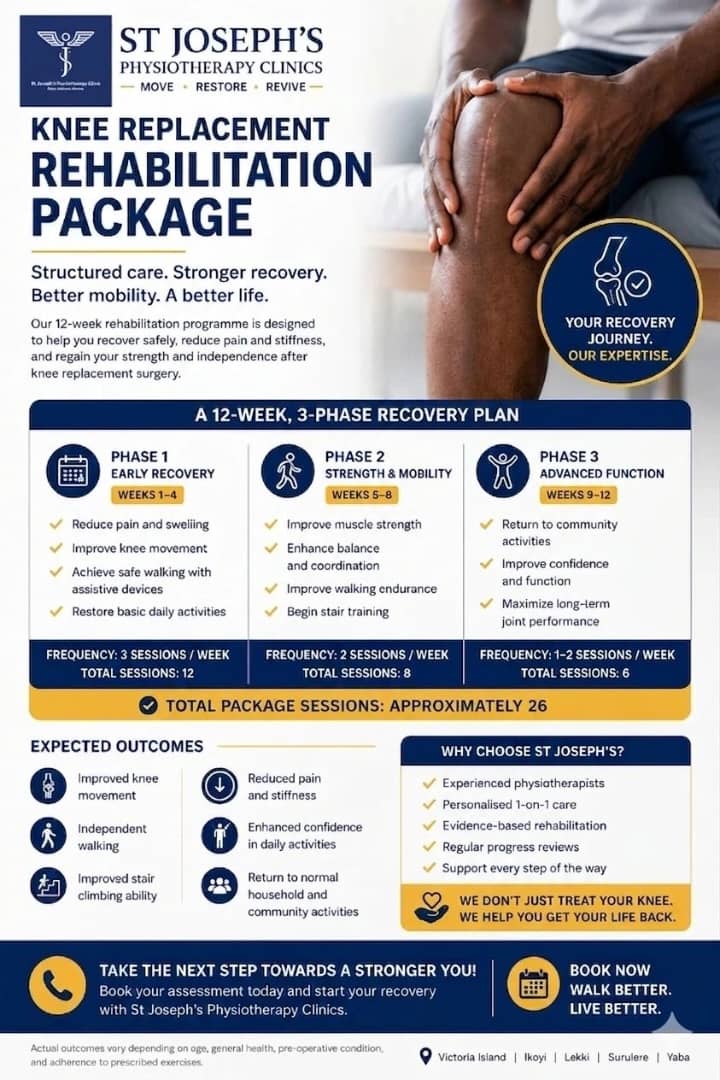
Complete Knee Replacement Rehabilitation Package in Lagos
Knee replacement surgery is a major step toward pain relief and improved mo…

NAMDA threatens strike over unpaid medical lecturers’ allowances
The Nigerian Association of Medical and Dental Academics (NAMDA) has warned…

Resident Doctors Signal End to Strike Threat After High-Level Talks with Gbajabiamila
The threat of a nationwide indefinite strike by the Nigerian Association of…
AMLSN Issues Strong Rejoinder to NAMDA on Public Service Establishment Matters
The Association of Medical Laboratory Scientists of Nigeria (AMLSN) has rel…