According to a new report, unnecessary use and overuse of Azithromycin antibiotics during the coronavirus pandemic has led to a rise in drug-resistant strains of super gonorrhea
Azithromycin is an antibiotic used for the treatment of a number of bacterial infections. This includes middle ear infections, strep throat, pneumonia, traveler's diarrhea, and certain other intestinal infections. As the coronavirus pandemic raged on, Azithromycin was and has been used to prevent co-infection of hospitalized COVID-19 patients and also to treat severe infections
Over time, widespread availability and dispensing of Azithromycin - which has since been agreed to not have any clinical benefit for COVID-19 patients - has now caused an overwhelming buildup of resistance to the bacteria that causes gonorrhea according to the WHO
“Overuse of antibiotics in the community can fuel the emergence of antimicrobial resistance in gonorrhea,” a WHO spokesman told the SUN , noting that azithromycin was used for COVID-19 treatment earlier in the pandemic.
Making matters worse, the contagion has also “disrupted” usual STI services by overburdening medical centers and making people scared to go to them, the spokesman said. “This means more STI cases are not diagnosed properly with more people self-medicating as a result,” the WHO rep told the UK paper.
“Such a situation can fuel the emergence of resistance in gonorrhea including gonorrhea superbug (super gonorrhea) or gonorrhea with high-level resistance to current antibiotics recommended to treat it.”
The Sun cited a US study that showed 71 percent of COVID patients were given antibiotics — while at most 4 percent had reason to need them.
“The use of antibiotics will not treat [COVID-19] but it will create resistance among bacteria that already exists in our bodies,” the WHO’s assistant director-general for its antimicrobial resistance division, Dr. Hanan Balkhy, told the UK paper.
“The bottom line is, antibiotics should not be prescribed unless there’s a clear medical indication for them,” she said.
You may also like

FG Supports Robotic Surgery Expansion to Reduce Medical Tourism
Nigeria is taking another step toward strengthening specialised healthcare …
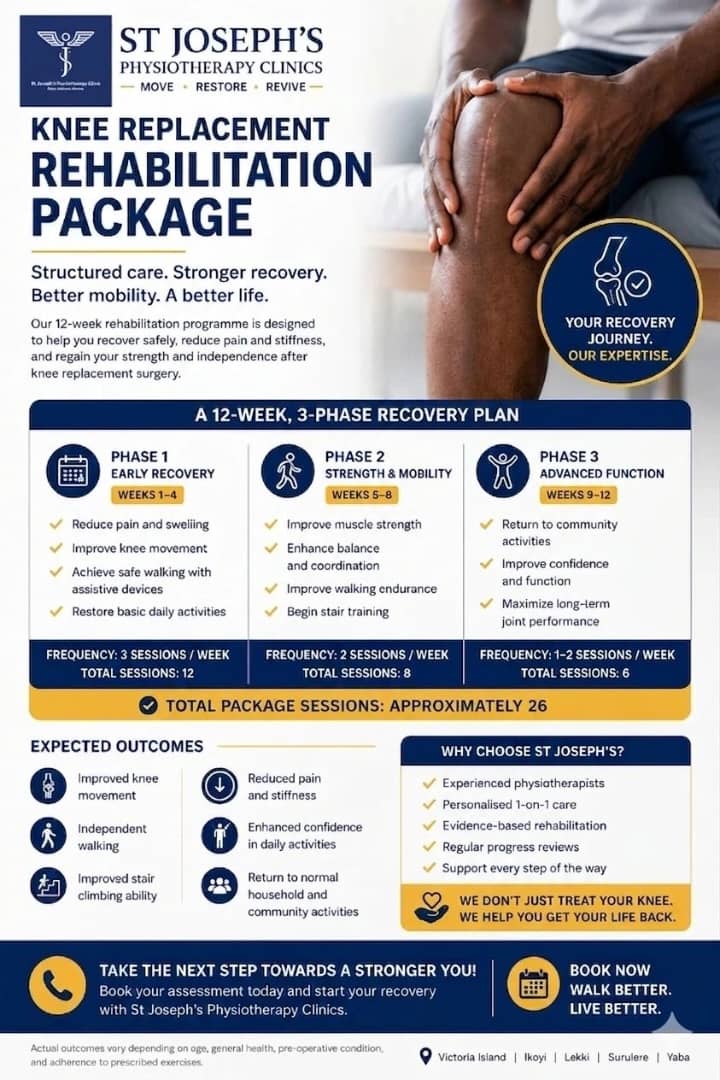
Complete Knee Replacement Rehabilitation Package in Lagos
Knee replacement surgery is a major step toward pain relief and improved mo…

NAMDA threatens strike over unpaid medical lecturers’ allowances
The Nigerian Association of Medical and Dental Academics (NAMDA) has warned…

Resident Doctors Signal End to Strike Threat After High-Level Talks with Gbajabiamila
The threat of a nationwide indefinite strike by the Nigerian Association of…
AMLSN Issues Strong Rejoinder to NAMDA on Public Service Establishment Matters
The Association of Medical Laboratory Scientists of Nigeria (AMLSN) has rel…