Health issues become increasingly important after you turn 50. Recognising the possible signs of illness, having regular screening tests for cancer and being aware of potential health risks will give you a start to protect yourself mentally and physically.
Mental health and support as you get older
Conditions such as dementia and depression become more likely as you get older. If you are worried that you may be developing symptoms, your doctor can make an assessment.
Breast screening
If you’re a woman over 50, diseases like breast cancer and health issues like osteoporosis and the menopause can be of particular concern. By being well-informed, you’ll have a better sense of how to take care of your health and protect yourself.
Detecting breast cancer and other breast conditions early gives the best chance of successful treatment. Some non-governmental organisations provide free breast screening once in a while. Take advantage of one in your community.
Menopause
Menopause begins when a woman has her last menstrual cycle and is considered complete when menstruation has stopped for one year, according to the National Institutes of Health. Menopause usually occurs naturally somewhere between the ages of 45 and 55, although it can be brought about surgically by removal of the ovaries. Estrogen levels after menopause are only about 10 per cent of what they were before and progesterone levels are nearly zero.
Hot flashes, night sweats, insomnia, mood swings, and vaginal dryness, itching, and burning are the classic symptoms of menopause. During the years after menopause, heart disease and osteoporosis tend to increase. To treat both the short-term and long-term consequences of menopause, many women begin hormone replacement therapy. This therapy does not bring hormone levels to what they were before menopause, but it does help alleviate the symptoms.
Depression
Depression, mood swings, and moodiness may accompany menopause. Hormone replacement therapy is sometimes effective, and sometimes antidepressants are needed. Several studies have evaluated antidepressants for hot flashes as well. For women whose primary symptoms are mood issues and hot flashes, antidepressants may provide an alternative to HRT.
Memory loss
As women pass 50, they may also become concerned about memory loss and dementia, especially if they have a family member with Alzheimer’s. Short-term memory problems already tend to be an issue with both middle-aged women and men.
Researchers are investigating the link between estrogen and dementia. Estrogen may be associated with a risk of dementia. As women on HRT age, the diagnostic difficulty may distinguish true dementia from that brought on by HRT. There is no proven way to prevent Alzheimer’s disease. Some experts recommend exercising the brain to keep it healthy, similar to exercising the heart. Continued learning, memory exercises, and so on may help ward off memory loss. Clinical trials are looking into whether certain supplements, such as vitamin E and selenium, may help prevent dementia.
Eye health
Because our eyesight changes as we get older, almost all of us will need to wear glasses or contact lenses by the time we’re 65. If you have regular eye tests, wear the right lenses and look after your eyes, there’s a better chance your sight will remain clear.
An eye test is not just good for checking whether your glasses are up-to-date. It’s also a vital check on the health of your eyes. An eye test can pick up eye diseases, such as glaucoma and cataracts, as well as general health problems, including diabetes and high blood pressure.
Keep your eyes healthy by eating a healthy, balanced diet. Eating plenty of vegetables and fruit will benefit your overall health and may help protect against some conditions such as cataracts and age-related macular degeneration.
Strong sunlight can damage your eyes and may increase your risk of cataracts. Wear sunglasses or contact lenses with a built-in UV filter to protect your eyes from harmful rays.
To see well, your eyes need three times as much light when you’re 60 as they did when you were 20. Increase the daylight in your home by keeping windows clean and curtains pulled back. Make sure you have good electric lighting too, especially at the top and bottom of stairs so you can see the steps clearly. For reading or close work, use a direct light from a flexible table lamp, positioned so the light is not reflected by the page and causing glare.
How to age gracefully
Lifestyle choices can increase health and well-being as women age. Here are some recommendations from the National Institute on Aging:
• Stop smoking
• Exercise
• Eat wisely
• Take calcium and vitamin D supplements
• Drink plenty of water
• Drink alcohol only in moderation
• Try to maintain a healthy weight
• Get regular dental and physical checkups and lab work
• Get checked for colon cancer
• Consider bone density scans and flu shots
• Practice safe sex
• Take medications as directed
• Stay mentally and physically active
ABUJA: Training Schedule for Basic Life Support BLS, Pediatric Advanced Life Support (PALS), Advanced Cardiovascular Life Support ACLS, First Aid, CPR, AED
PORTHARCOURT: Training Schedule for Basic Life Support BLS, Pediatric Advanced Life Support (PALS), Advanced Cardiovascular Life Support ACLS, First Aid, CPR, AED
LAGOS: Training Schedule for Basic Life Support BLS, Pediatric Advanced Life Support (PALS), Advanced Cardiovascular Life Support ACLS, First Aid, CPR, AED
STOP paying for airtime and electricity, Let your phone pay its bills with ScreenT
You may also like

FG Supports Robotic Surgery Expansion to Reduce Medical Tourism
Nigeria is taking another step toward strengthening specialised healthcare …
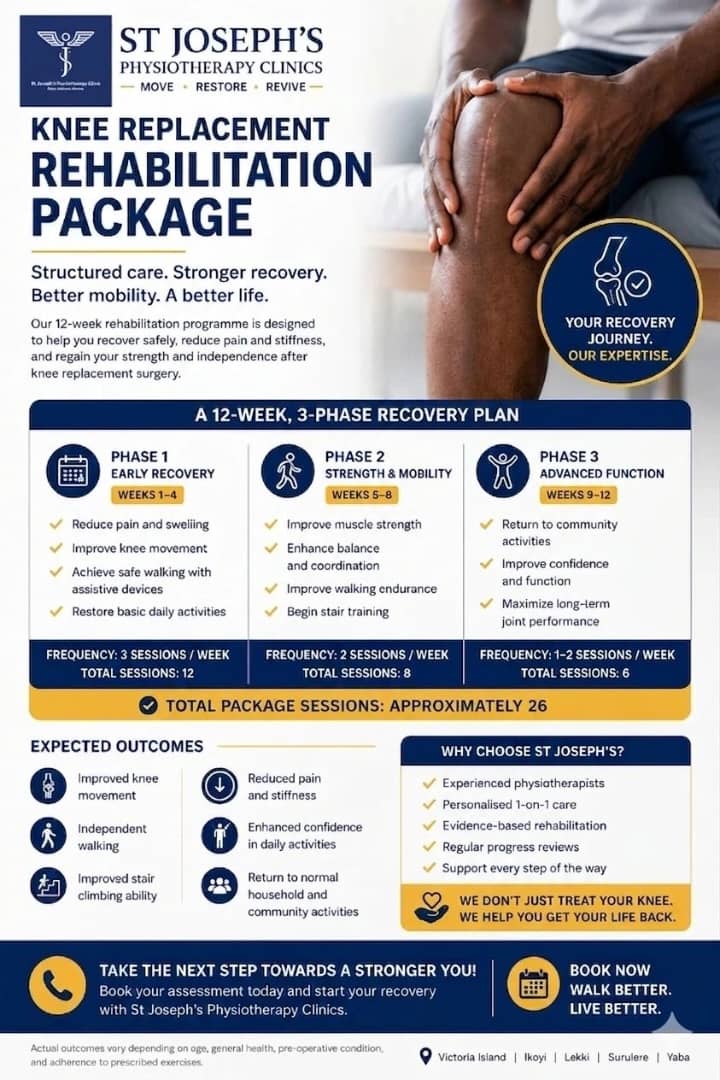
Complete Knee Replacement Rehabilitation Package in Lagos
Knee replacement surgery is a major step toward pain relief and improved mo…

NAMDA threatens strike over unpaid medical lecturers’ allowances
The Nigerian Association of Medical and Dental Academics (NAMDA) has warned…

Resident Doctors Signal End to Strike Threat After High-Level Talks with Gbajabiamila
The threat of a nationwide indefinite strike by the Nigerian Association of…
AMLSN Issues Strong Rejoinder to NAMDA on Public Service Establishment Matters
The Association of Medical Laboratory Scientists of Nigeria (AMLSN) has rel…
