The Acting Director-General of the Nigeria Nuclear Regulatory Authority, Dr. Martin Ogharandukun, has been sacked, The PUNCH findings have shown.
His sacking, our correspondent gathered, followed his alleged role in the new fee regime at the two nuclear medicine departments at the University College Hospital, Ibadan and National Hospital, Abuja.
The Senate, following a report published on March 27, 2014 by The PUNCH, ‘Afflicted with cancer, denied treatment,’ ordered a probe into the activities of the NNRA.
The outcome of the Senate findings resulted in the sacking of Ogharandukun this month.
The investigative story highlighted how the decision by the agency under the superintendence of Ogharandukun increased the licence fee of hospitals using radioactive materials to treat cancer patients — from N250,000 to N2m had — sabotaged cancer care in the country.
The National Coordinator of Nuclear Medicine in Nigeria and Head of the Nuclear Medicine Department, UCH, Prof. Bola Osifo, who spoke to our correspondent, also confirmed that the Senate compelled the NNRA to shift ground.
According to Osifo, a Professor of Physics from the Ahmadu Bello University, Zaria, Lawrence Gif, has been appointed to replace Ogharandukun as the Acting DG of the agency.
Osifo said, “After the PUNCH story was published, the Senate expressed its unhappiness at the way, NNRA acting DG handled the case. The Senate Committee on Health discussed the matter and Senate President, David Mark, also wrote a letter to him. The matter was resolved and the licences were issued but Ogharandukun later lost his job.”
The two nuclear medicine departments at the University College Hospital, Ibadan and National Hospital in Abuja could not import radioactive materials for radiotherapy and chemotherapy for cancer patients due to a 700 per cent increment on the licencing fee by the agency.
Even at the old fee regime of N250,000, the materials used in the treatment cancer patients was subsidised fee.
The PUNCH report had revealed that the two cancer treatment centres in the country had to close shops because they could not afford the new fee for its licences just as many patients lost their lives.
No reason was given by the government agency, which is under the Ministry of Petroleum Resources, for the 700 per cent increase in the licence fee and all pleas by the management of the two hospitals to Ogharandukun were ignored.
The International Atomic Energy Agency based in Vienna, Austria established the Nuclear Medicine Department at the UCH in 2006.
The purpose was for it to offer radioactive treatment to patients suffering from all manner of cancer diseases.
Our correspondent, who visited UCH during the stand-off between NNRA and the two hospitals, had observed that patients were waiting endlessly at the lobby of the cancer treatment centre with nurses, consultants and other categories of staff idling away.
Also, UCHs’ records at the time showed that a total of 136 patients were waiting for treatment due to the hike in the licensing fee.
About 400 patients who came for screening of tumours, breast and prostate cancer had to be turned back because the hospital could not import the chemicals needed for treatment.
The directive had allegedly led to the death of an elderly cancer patient, as she could also not get the treatment she dearly needed at the time.
Other relatives who spoke to our correspondent, said they had lost their loved ones in similar situations during the period.
While the high fee was in place, many patients suffered relapses.
With operations at both centres paralysed, the alternative for the patients was to seek treatment outside the country.
However, after The Punch story was published in March and a probe was carried out, the Senate directed the NNRA to reverse its decision , revert to the old fee and both hospitals, UCH and the National Hospital, Abuja were issued licences to begin the importation of radioactive chemicals.
ABUJA: Training Schedule for Basic Life Support BLS, Pediatric Advanced Life Support (PALS), Advanced Cardiovascular Life Support ACLS, First Aid, CPR, AED
PORTHARCOURT: Training Schedule for Basic Life Support BLS, Pediatric Advanced Life Support (PALS), Advanced Cardiovascular Life Support ACLS, First Aid, CPR, AED
LAGOS: Training Schedule for Basic Life Support BLS, Pediatric Advanced Life Support (PALS), Advanced Cardiovascular Life Support ACLS, First Aid, CPR, AED
STOP paying for airtime and electricity, Let your phone pay its bills with ScreenT
You may also like

FG Supports Robotic Surgery Expansion to Reduce Medical Tourism
Nigeria is taking another step toward strengthening specialised healthcare …
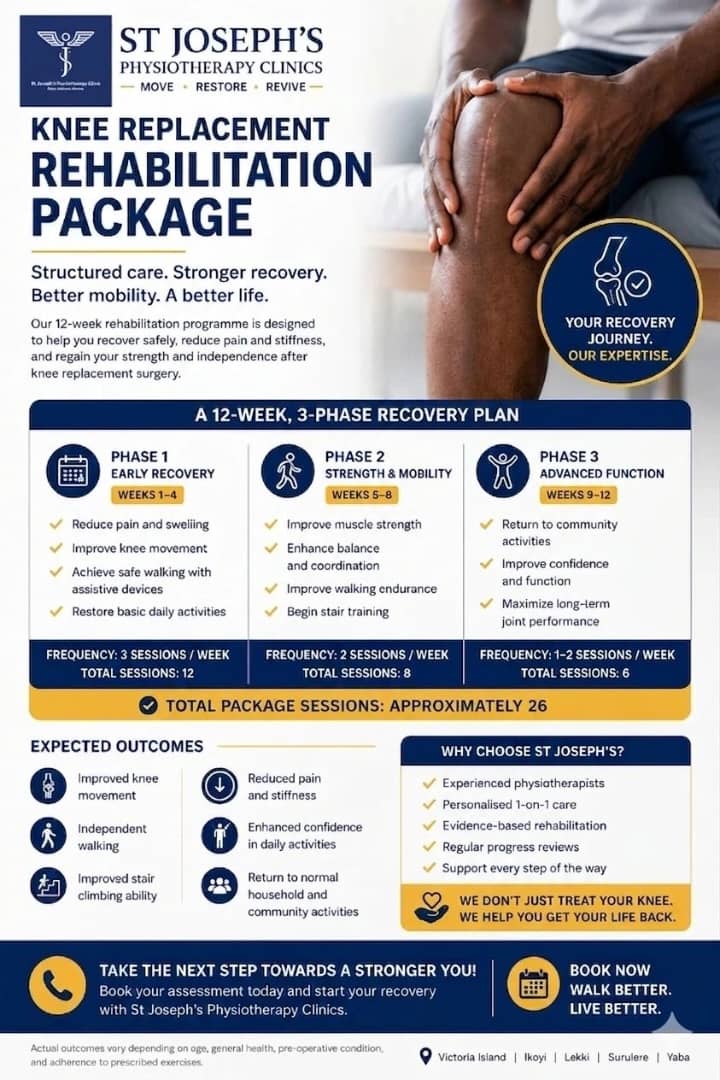
Complete Knee Replacement Rehabilitation Package in Lagos
Knee replacement surgery is a major step toward pain relief and improved mo…

NAMDA threatens strike over unpaid medical lecturers’ allowances
The Nigerian Association of Medical and Dental Academics (NAMDA) has warned…

Resident Doctors Signal End to Strike Threat After High-Level Talks with Gbajabiamila
The threat of a nationwide indefinite strike by the Nigerian Association of…
AMLSN Issues Strong Rejoinder to NAMDA on Public Service Establishment Matters
The Association of Medical Laboratory Scientists of Nigeria (AMLSN) has rel…