The air is still agog, so to say, with the activities marking the World AIDS Day, which comes up every December 1.
This is not unexpected, considering that so much has changed since the world was first presented with the image of a person living with the Acquired Immunodeficiency Syndrome. Then, the images were awe-inspiring, especially because the people looked gaunt and wasted, and many of them died prematurely.
Little did people know than that good nutrition has a great deal to do with whether persons living with HIV/AIDS would survive or not.
Indeed, those living positively should realise that in addition to taking their medications as prescribed, for the drugs to be effective, they must imbibe good nutritional habit that will make them remain in good health for as long as they live.
For instance, authorities at the Food and Agriculture Organisation of the United Nations advise that meeting immediate food, nutrition and other basic needs is essential if HIV/AIDS-affected households are to live with dignity and security. “Providing nutritional care and support for people living with HIV/AIDS is an important part of caring at all stages of the disease,” the experts aver.
Generally, good health starts with a healthy diet; and persons with compromised immunity must not be laidback when it comes to doing the necessary things to keep healthy.
The Food and Drug Administration posits that good nutrition is important to all people — whether or not they are living with HIV. But some conditions related to HIV/AIDS and its treatment (including, wasting, diarrhoea, and lipid abnormalities), mean that proper nutrition is really important to people with HIV.
“Eating well is key to maintaining strength, energy, and a healthy immune system. In addition, because HIV can lead to immune suppression, food safety and proper hygiene is a concern to prevent infections,” the FDA advises.
At an earlier encounter with this reporter, the chairman, House Committee on HIV/AIDS, Malaria Control, TB and Leprosy, Hon. Joseph Kigbu, noted that HIV and many of its treatments could change the body’s metabolism — or the way the body processes nutrients and other substances (like body fat).
“Some of these metabolic changes can lead to lipodystrophy, insulin resistance, and wasting syndrome, and can affect the way you look and feel,” Kigbu, a physician, says.
Since weight loss is one of the possible symptoms of HIV/AIDS, it goes without saying that healthy diet can help persons living positively to keep a healthy weight and immune system.
“A good diet can even help the treatment to work better. If you’re having problems like a sore mouth, diarrhoea, nausea, or vomiting, or if treatment has affected your sense of taste or your appetite, eating right might be tough,” the online portal, womenshealth.gov, counsels.
It adds, “In addition, nausea, vomiting, and diarrhoea are common conditions associated with HIV and its treatments. These side effects can keep you from eating or cause you to lose essential nutrients. They can also cause you to be dehydrated.”
Physicians say people living positively should be aware that HIV progression is often slow; consequently, changes in metabolism and physical appearance may be slow as well. That’s why it’s so important to pay attention to diet and eat properly on a daily basis.
“If you are experiencing metabolic changes, or vomiting and diarrhoea, don’t be afraid or embarrassed to discuss these important issues with your healthcare provider. Your provider will need to know what’s happening with your body in order to decide the best way of supporting your nutritional needs. While some of these issues can’t be prevented or treated with dietary modifications alone, healthy eating and proper nutrition are critical parts of the process,” the portal advises.
Again, experts warn, being safety-conscious when preparing food is important in order to prevent food poisoning.
The Centres for Disease Control and Prevention warn that many germs can be spread through food, while germs such as Listeria can be deadly. And though getting infected with this germ is rare, those whose immune systems have been compromised stand a huge risk.
Again, nutritionists say, milk and products made from milk — such as certain cheeses, ice cream, and yogurt — are foods that, when consumed raw, can pose severe health risks. So, be guided when taking these foods.
A nutritionist, Dr. Remi Omotunde, says, “If you are HIV-positive, good nutrition can have several benefits.
“It can improve your overall quality of life by providing nutrients that your body needs; keep your immune system stronger so you can better fight diseases; help manage HIV symptoms and complications; and also help your body in processing medications and help manage their side effects,” he advises.
Recommending what he describes as the “basic principles of healthy eating,” Omotunde says eating a diet high in vegetables, fruits, whole grains, and legumes; choosing lean, low-fat sources of protein, limiting sweets, soft drinks, and foods with added sugar; as well as including proteins, carbohydrates, and a little good fat in all meals and snacks will benefit the body immensely.
ABUJA: Training Schedule for Basic Life Support BLS, Pediatric Advanced Life Support (PALS), Advanced Cardiovascular Life Support ACLS, First Aid, CPR, AED
PORTHARCOURT: Training Schedule for Basic Life Support BLS, Pediatric Advanced Life Support (PALS), Advanced Cardiovascular Life Support ACLS, First Aid, CPR, AED
LAGOS: Training Schedule for Basic Life Support BLS, Pediatric Advanced Life Support (PALS), Advanced Cardiovascular Life Support ACLS, First Aid, CPR, AED
STOP paying for airtime and electricity, Let your phone pay its bills with ScreenT
You may also like

FG Supports Robotic Surgery Expansion to Reduce Medical Tourism
Nigeria is taking another step toward strengthening specialised healthcare …
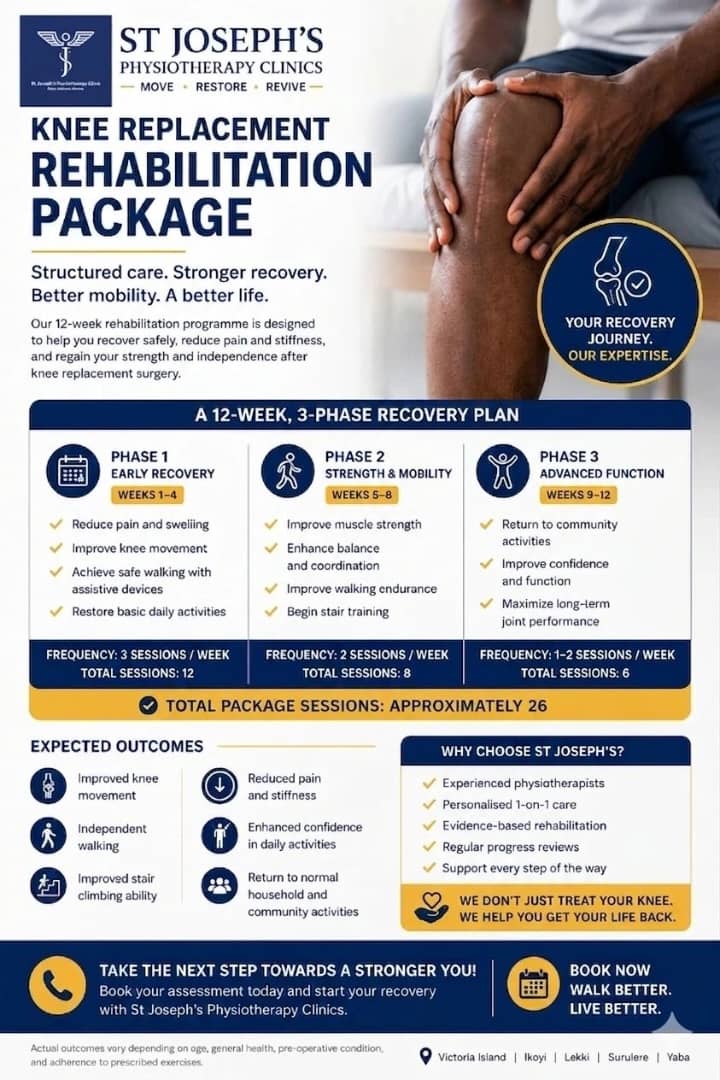
Complete Knee Replacement Rehabilitation Package in Lagos
Knee replacement surgery is a major step toward pain relief and improved mo…
NAMDA threatens strike over unpaid medical lecturers’ allowances
The Nigerian Association of Medical and Dental Academics (NAMDA) has warned…
Resident Doctors Signal End to Strike Threat After High-Level Talks with Gbajabiamila
The threat of a nationwide indefinite strike by the Nigerian Association of…
AMLSN Issues Strong Rejoinder to NAMDA on Public Service Establishment Matters
The Association of Medical Laboratory Scientists of Nigeria (AMLSN) has rel…