Can eating the peels of oranges provide the elusive cure for cancer? CHUKWUMA MUANYA examines recent clinical studies where the peels of citrus fruits stopped cancer especially that of the prostate, lung and breast in human models.
IT may sound absurd but it is true. Researchers have effectively used the peels of orange and its relatives to prevent and treat prostate, lung and breast cancers in humans.
The researchers found that citrus peels and their extracts have potent pharmacological activities and health benefits due to the abundance of flavonoids.
Indeed, the use of extracts of orange peel for prevention and treatment of cancer has also received a Patent.
According to study published in Food and Function, an extract of multiple varieties of citrus peels is an effective anti-cancer agent that may potentially serve as a novel therapeutic option for prostate cancer treatment.
The study is titled “Potent anti-cancer effects of citrus peel flavonoids in human prostate xenograft tumours.”
The researchers wrote: “Our previous studies demonstrated that oral administration of Gold Lotion (GL), an extract of multiple varieties of citrus peels containing abundant flavonoids, including a large percentage of polymethoxyflavones (PMFs), effectively suppressed azoxymethane (AOM)-induced colonic tumorigenesis (tumorigenesis or carcinogenesis or oncogenesis is literally the creation of cancer.)
“However, the efficacy of GL against prostate cancer has not yet been investigated. Here, we explored the anti-tumor effects of GL using a human prostate tumor xenograft mouse model.
“Our data demonstrated that treatment with GL by both intraperitoneal (i.p.) injection and oral administration dramatically reduced both the weights (57 per cent-100 per cent inhibition) and volumes (78 per cent-94 per cent inhibition) of the tumors without any observed toxicity.
“… Our findings suggest that GL is an effective anti-cancer agent that may potentially serve as a novel therapeutic option for prostate cancer treatment.”
Researchers have also shown how monodemethylated PMFs from sweet orange (Citrus sinensis) peel inhibit growth of human lung cancer cells by apoptosis.
Apoptosis is the process of programmed cell death (PCD) that may occur in multicellular organisms.
According to the researchers, PMFs are almost exclusively found in the Citrus genus, particularly in the peels of sweet orange (Citrus sinensis) and mandarin (Citrus reticulate).
They wrote: “We studied the effects of two major PMFs, namely, nobiletin and 3,5,6,7,8,3’,4’-heptamethoxyflavone (HMF), and two major monodemethylated PMFs, namely 5-hydroxy-3,7,8,3’,4’-pentamethoxyflavone (5HPMF), and 5-hydroxy-3,6,7,8,3’,4’-hexamethoxyflavone (5HHMF), on the growth of human lung cancer H1299, H441, and H460 cells.
“Monodemethylated PMFs were much more potent in growth inhibition of lung cancer cells than their permethoxylated counterpart PMFs. In H1299 cells, cell cycle analyses further revealed that monodemethylated PMFs caused significant increase in sub-G0/G1 phase, suggesting possible role of apoptosis in the growth inhibition observed, whereas the permethoxylated counterpart PMFs did not affect cell cycle distribution at same concentrations tested.
“These results strongly suggested that the phenolic group is essential for the growth inhibitory activity of monodemethylated PMFs. Further studies in H1299 cells demonstrated that monodemethylated PMFs downregulated oncogenic proteins, such as iNOS, COX-2, Mcl-1, and K-ras, as well as induced apoptosis evidenced by activation of caspase-3 and cleavage of PARP.
“Our results provide rationale to develop orange peel extract enriched with monodemethylated PMFs into value-added nutraceutical products for cancer prevention.”
Yet another clinical trial has shown that orange peel can stop breast cancer.
. 2007 Dec;51(12):1478-84.
The study titled “Apoptosis-inducing activity of hydroxylated polymethoxyflavones and polymethoxyflavones from orange peel in human breast cancer cells” was published in Molecular Nutrition & Food Research.
The researchers wrote: “Sweet orange (Citrus sinensis) peel is a rich resource of flavonoids, especially PMFs. Citrus flavonoids exert a broad spectrum of biological activity, including antiproliferative and proapoptotic effects in cancer cells. We have recently shown that individual PMFs from orange peel induce Ca(2+)-mediated apoptosis in human breast cancer cells and that hydroxylation of PMFs is critical for enhancing their proapoptotic activity.
“Here, we report that the fraction of orange peel extract containing a mixture of non-hydroxylated PMFs (75.1 per cent) and hydroxylated PMFs (5.44 per cent) and the fraction containing only hydroxylated PMFs (97.2 per cent) induce apoptosis in those cells as well.
“Treatment of MCF-7 breast cancer cells with these fractions inhibited growth and induced apoptosis associated with an increase in the basal level of intracellular Ca(2+). Effective concentrations of the hydroxylated PMFs fraction in inhibiting growth, inducing apoptosis, and increasing intracellular Ca(2+) were lower than those of the non-hydroxylated PMFs fraction.

“Our results strongly imply that bioactive PMFs from orange peel exert proapoptotic activity in human breast cancer cells, which depends on their ability to induce an increase in intracellular Ca(2+ )and thus, activate Ca(2+)-dependent apoptotic proteases.”
According to a study published in Continental Journal of Pharmaceutical Sciences, orange peel contains citral, an aldehyde that antagonizes the action of vitamin A. “Therefore, anyone eating quantities of orange peel should make certain that their dietary intake of vitamin A is sufficient.”
The researchers from the University of Benin wrote: “Orange is said to lower cholesterol and aid in digestion of fatty foods. The Vitamin C in oranges is concentrated mainly in the peel and the white layer just under the peel. There are better sources of vitamin C, orange peels are therefore better sources of vitamin C.
“Sweet orange oil is a by-product of the juice industry produced by pressing the peel. It is used as a flavoring of food and drink and for its fragrance in perfumes and aromatherapy.
“Sweet orange oil consists of about 90 per cent d-limonene, a solvent used in various household chemicals. However, d-limonene is classified from slightly toxic to humans to very toxic to marine life in different countries.
“Limonene now is known as a significant chemopreventive agent with potential value as a dietary anti-cancer tool in humans.”
Until now, naturally occurring non-nutritive agents present in plants such as flavonoids, phenolic compounds, glucosinulates, terpenes and many others are believed to have disease preventive properties.
Diets containing some of these substances have been shown to be protective against diseases such as colon and breast cancer in animals. The clinical relevance of such natural phytochemicals is dependent on extrapolation from epidemiological data and from experiments in animal models of diseases of interest.
Purified flavenoid compounds isolated from citrus juice have been tested individually for their effects on carcinogenesis, tumor cell growth and invasion of tumor cells into normal cells. In particular the polymethyoxylated flavenoids, tangeretin and nobeletin, were shown to have anti-carcinogenic activity. Extracts of bitter-orange peel are used as an herbal drug. Conditions treated include loss of appetite and dyspeptic complaints. The main components of the extract include limonene and flavonoids such as neohesperidin and naringin.
Several patents disclose the use of various phytochemicals in combination with orange peel extract or dried orange peel. CN 1200277 describes use of a composition composed of 16 plant components, one of which is dried orange peel, for treatment of psychosis and nervous system disease.
CN 1116945 describes the use of orange peel along with several other natural products in a capsule form to sooth the liver, nourish the stomach, remove stasis, stop pain and cure various gastric diseases. CN 1111134 discloses an oral liquid containing orange peel, among other things, for treatment of neurastenia, chronic bronchitis, asthma, coronary heart disease, high blood lipid levels, hepatitis, cytopenia, senility and immune dysfunction.
CN 1106673 is a patent for a disease-preventing nutrient tea that is produced from a variety of products, including soaked, crushed orange peel. CN 1077124 describes a Chinese herb preparation for treatment of iron-deficiency anemia that is composed of a number of ingredients, including dried orange peel.
Also, a Japanese patent (JP 57156761) discloses a heat-generating pad for orthopedic diseases that contains extracts and powders of many plants, including orange peel. It has now been found that an extract of orange peel has biological activity as a treatment and preventative agent for cancer.
According to The Commonwealth Scientific and Industrial Research Organization (CSIRO) of Australia, citrus fruits pack a powerful punch – reducing the risk of some cancers by 50 percent. These scientists report that citrus fruits are most protective against stomach, mouth, larynx and pharynx cancers.
Phytochemical screening, proximate and elemental analysis of Citrus sinensis peels indicated the presence of reducing sugar, saponins, cardiac glycosides, tannins and flavonoids.
The elemental analysis indicated the presence of the following mineral elements in various concentrations: zinc (Zn), copper (Cu), magnesium (Mg), and managanese (Mn), while cadmium (Cd) and nickel (Ni) were less than 0.001 and 0.05 respectively, while chromium (Cr) was about 0.01 in concentration.
Proximate analysis also showed that it has a high nutritional value such as carbohydrate, fibre, ash, fat and protein.
The results published Journal of Applied Sciences and Environmental Management by researchers at the University of Benin, Edo State, recommended the consumption of these peels of desired physiochemical properties as sources of food fibres or low-calorie bulk ingredients in food applications requiring oil and moisture retention.
According to a recent study published in African Journal of Biotechnology titled “Waste to wealth: Industrial raw materials potential of peels of Nigerian sweet orange (Citrus sinensis),” consumption of orange fruits generates orange peel wastes that could bring about environmental pollution if not properly handled.
The researchers wrote: “Towards recycling of wastes and avoiding littering and waste-related environmental degradation, this study was carried out to explore the components of orange peels with a view to establishing their raw material potentials. Orange peels cut into small bits were subjected to steam distillation process and the extracted essential oil was put through some chemical characterization procedures for purposes of identifying its components.
“Ultraviolet-visible spectrophotometric scan of the extract, revealed a single prominent peak at a wavelength of 300 nm, as was also the case with paper chromatography which showed one major band separation. Subsequent infrared spectroscopy for structural configuration gave three main identifiable peaks reflecting structural, functional and group/bond positions: C=C, C-H and =C-H at 1640 to 1680 cm-1, 2850 to 2960 cm-1 and 3100 cm-1 bond positions, respectively, and these tallies exactly with those found in the structure of limonene, thus confirming the later (one of the terpenes), as a dominant component of the orange peel among others that were present in small amounts.
“Limonene is an essential oil with wide application in industrial and domestic domains. Thus, exploring essential oil is an additional way of evaluating the underlying economic value of citrus due to their usefulness as food nutrient and flavor, and their waste peel is a source of essential oil which is useful in cosmetics, pharmaceuticals, and other industrial and domestic applications.
“Processing of citrus peels into essential oils is a sure way of transforming these wastes with great potential for environmental pollution into a resource with great potential for economic prosperity, and also for securing the public health impacts of safer and healthier environment, likely to be obtained from the indirect waste management option so offered.”
ABUJA: Training Schedule for Basic Life Support BLS, Pediatric Advanced Life Support (PALS), Advanced Cardiovascular Life Support ACLS, First Aid, CPR, AED
PORTHARCOURT: Training Schedule for Basic Life Support BLS, Pediatric Advanced Life Support (PALS), Advanced Cardiovascular Life Support ACLS, First Aid, CPR, AED
LAGOS: Training Schedule for Basic Life Support BLS, Pediatric Advanced Life Support (PALS), Advanced Cardiovascular Life Support ACLS, First Aid, CPR, AED
STOP paying for airtime and electricity, Let your phone pay its bills with ScreenT
You may also like

FG Supports Robotic Surgery Expansion to Reduce Medical Tourism
Nigeria is taking another step toward strengthening specialised healthcare …
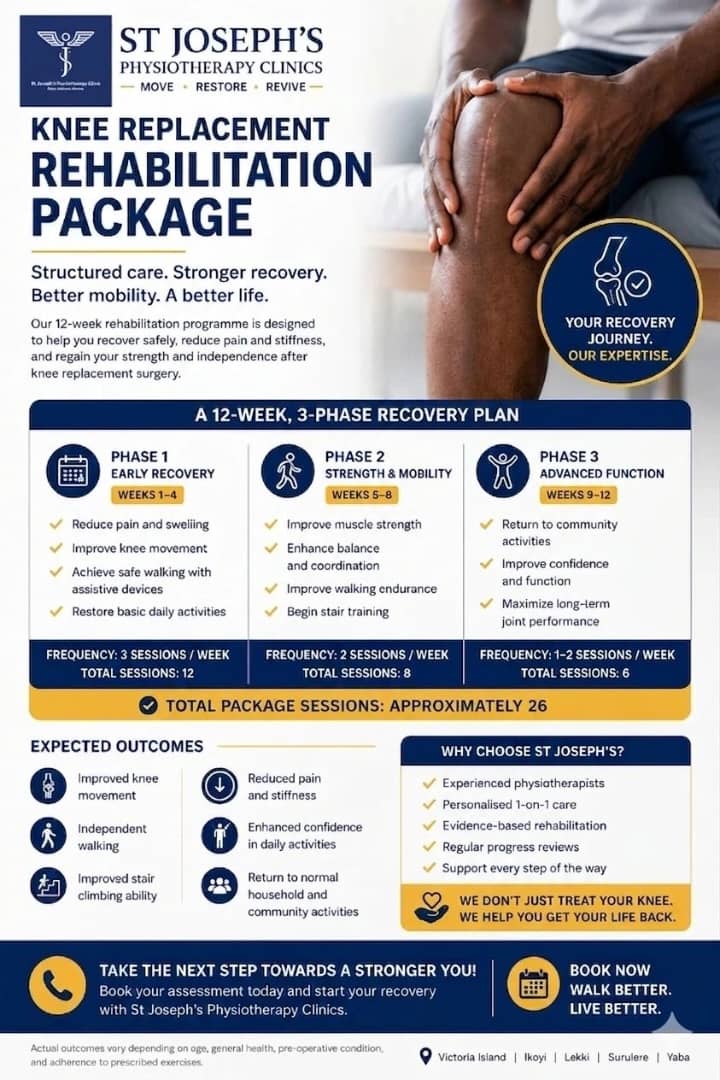
Complete Knee Replacement Rehabilitation Package in Lagos
Knee replacement surgery is a major step toward pain relief and improved mo…

NAMDA threatens strike over unpaid medical lecturers’ allowances
The Nigerian Association of Medical and Dental Academics (NAMDA) has warned…

Resident Doctors Signal End to Strike Threat After High-Level Talks with Gbajabiamila
The threat of a nationwide indefinite strike by the Nigerian Association of…
AMLSN Issues Strong Rejoinder to NAMDA on Public Service Establishment Matters
The Association of Medical Laboratory Scientists of Nigeria (AMLSN) has rel…