TO efficiently refurbish healthcare infrastructure and facilitate research and development in the country, the Pharmaceutical Society of Nigeria (PSN) says that privatisation of some levels of clinical services, especially out-patient at primary, secondary and tertiary levels, is necessary.
This approach, they said, would include bringing in tested private hospitals to take over the running of some services in public sector hospitals.
Speaking at a press briefing in Lagos yesterday to mark the World Pharmacists Day, the PSN called on the federal and other levels of government to see an urgent need to drastically reduce the unproductive recurrent expenditure invested in personnel emolument of some clinical staff, which can be diverted to fruitful capital projects as well as research and development initiatives.
According to PSN President, Olumide Akintayo, “in some areas where service might be in higher demand, clinical service providers might be hired on locum basis as we have seen it successfully implemented by some state governments in Nigeria.”
Meanwhile, the body called on President Goodluck Jonathan to reconstitute the Pharmacists Council of Nigeria (PCN), which it says has been actually non-existent since November 2007. It also faulted the newly constituted Yayale-Ahmed Committee, stating that similar exercise a few months ago was jeopardized by the Federal Ministry of Health.
This, it claimed, was because the far-reaching recommendations of the Justice Gusau-led committee, which anchored the same exercise and gave a leeway for departure from the existing recklessness and injustice in the structure, privileges and emoluments of health workers in Nigeria, did not satisfy members of one profession.
Speaking on this year’s theme, “Pharmacists – Simplifying Your Medicines Use, No Matter How Complex,” Akintayo said, “the advantages inherent in this model are numerous as it checkmates the obvious propensity to embark on perennial strikes by those who should provide services but do otherwise.
“The age-long strength of the private sector in the area of service delivery will be felt maximally in the health sector, which continues to misfire at the detriment of the consuming public.
“It is a matter of common sense that in the absence of an active public clinical service provider at some of the delivery points in the hospitals, government can dedicate more funds to revamp infrastructure and equipment of secondary and tertiary levels in particular.
“The Nigeria Institute of Pharmaceutical Research and Development (NIPRD) and the Nigeria Institute of Medical Research (NIMR) will also be beneficiaries of this process, as substantial votes to these institutions will ultimately re-position healthcare in Nigeria.
“For the pharmaceutical sector, it offers Nigeria the unique opportunity to join the league of nations self-sufficient in the manufacture of essentials drugs as well as exporters of Active Pharmaceutical Ingredients (APIs) and pharmaceutical grade raw materials.”
On the reconstitution of PCN, Akintayo said: “For almost 10 years now, it has been impossible to successfully arraign any erring pharmacist or pharmaceutical company because the PCN has not functioned in that period.
“Other statutory functions like the accreditation of training facilities for pharmacists and support staff in pharmacy are almost jeopardized. The routine practice matters in the area of monitoring and control are not in the best of health, as it has also been impossible to get council to boost efforts of the PCN Registry.”
ABUJA: Training Schedule for Basic Life Support BLS, Pediatric Advanced Life Support (PALS), Advanced Cardiovascular Life Support ACLS, First Aid, CPR, AED
PORTHARCOURT: Training Schedule for Basic Life Support BLS, Pediatric Advanced Life Support (PALS), Advanced Cardiovascular Life Support ACLS, First Aid, CPR, AED
LAGOS: Training Schedule for Basic Life Support BLS, Pediatric Advanced Life Support (PALS), Advanced Cardiovascular Life Support ACLS, First Aid, CPR, AED
STOP paying for airtime and electricity, Let your phone pay its bills with ScreenT
You may also like

FG Supports Robotic Surgery Expansion to Reduce Medical Tourism
Nigeria is taking another step toward strengthening specialised healthcare …
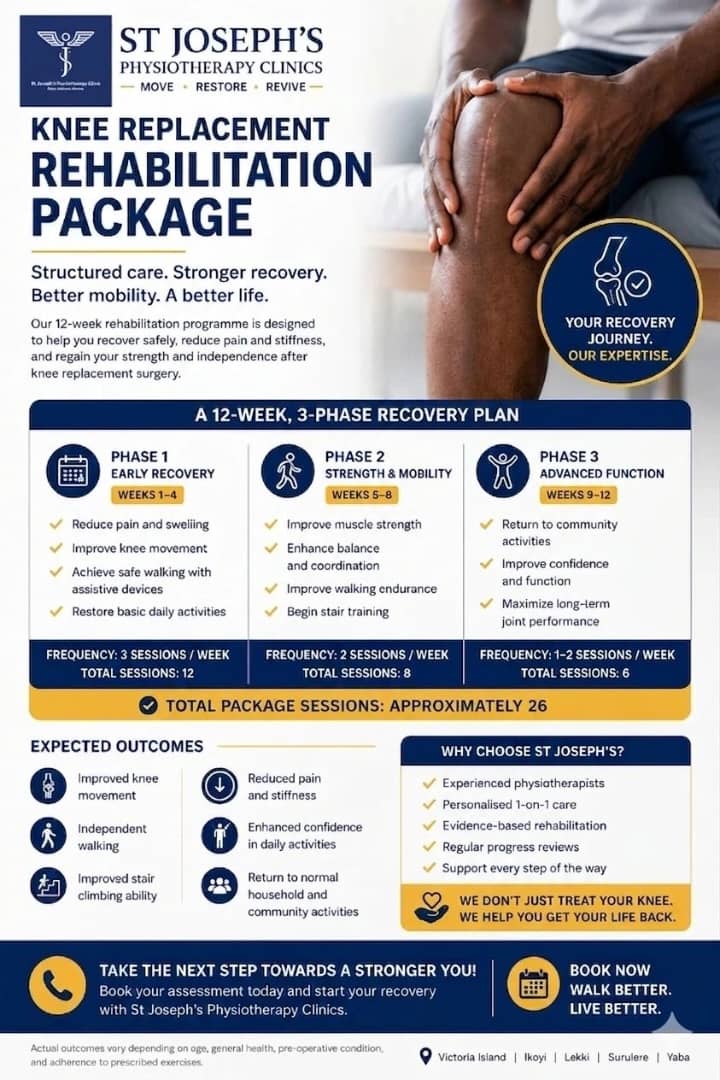
Complete Knee Replacement Rehabilitation Package in Lagos
Knee replacement surgery is a major step toward pain relief and improved mo…

NAMDA threatens strike over unpaid medical lecturers’ allowances
The Nigerian Association of Medical and Dental Academics (NAMDA) has warned…

Resident Doctors Signal End to Strike Threat After High-Level Talks with Gbajabiamila
The threat of a nationwide indefinite strike by the Nigerian Association of…
AMLSN Issues Strong Rejoinder to NAMDA on Public Service Establishment Matters
The Association of Medical Laboratory Scientists of Nigeria (AMLSN) has rel…
