Clinical psychologists have decried the recurrent violence in certain parts of the country, arguing that it could result in mental breakdown and personality disorder among the affected persons.
Speaking at the 2013 Annual Scientific Conference of the Nigerian Association of Clinical Psychologists in Lagos recently, the national president, Prof. Peter Ebigbo, noted that multiple incidences of violence have left individuals and groups vulnerable, with the attendant effects on psychological health.
He argued that individuals could only be healthy when they were at peace with the important relationships they engage in.
Stressing the relationship between moral order and harmony, Ebigbo warned that, “Breaking the moral order will destroy one’s harmony in one’s world and make one unwell or ill.”
He advised clinical psychologists to prepare to handle the various issues that impact negatively on Nigerians’ psychological health, emphasising the need to handle professionally, the various psychological challenges that arise from violence-prone states of the federation.
Ebigbo, who had developed the Enugu Somatisation Scale and the Harmony Restoration Theory and Therapy, called on the Federal Government and public-spirited individuals to empower the NACP to enable it embark on the Nigerian Psyche Project.
“The project is aimed at collecting the attributes of Nigerians that should be retained, especially those that enhance harmony, good neighbourliness and peaceful coexistence,” Ebigbo enthused.
He noted that when “somatic complaints of psychological origin are compiled and developed into a screening scale for mental illness,” clinical psychologists would be able to determine the accompanying psychosocial conditions and proffer solutions.
He disclosed that during a compilation of such complaints, clinical psychologists discovered that heat in the head was associated with goal frustration, while crawling sensation in the body denoted ambivalent sexuality.
He also noted that psychogenic dizzy spells denoted unstable life situation, while weight sensation in the head was indicative of ambivalent responsibility.
“When these somatic complaints were decoded, the underlying psychosocial situation was addressed, following which they disappeared,” Ebigbo said.
In his welcome address, the Medical Director of Federal Neuro Psychiatric Hospital, Yaba, Prof. Rahman Lawal, enjoined the association to maintain professionalism by monitoring and sanctioning professional misconduct, considering the special position that clinical psychologists occupy at this challenging period of our nationhood.
The keynote speaker, Prof. Olatunde Makanju, warned that continued threat to security, such as we have in some parts of the country, would lead to the disruption of social order, with the attendant negative effects on psychological health.
You may also like

FG Supports Robotic Surgery Expansion to Reduce Medical Tourism
Nigeria is taking another step toward strengthening specialised healthcare …
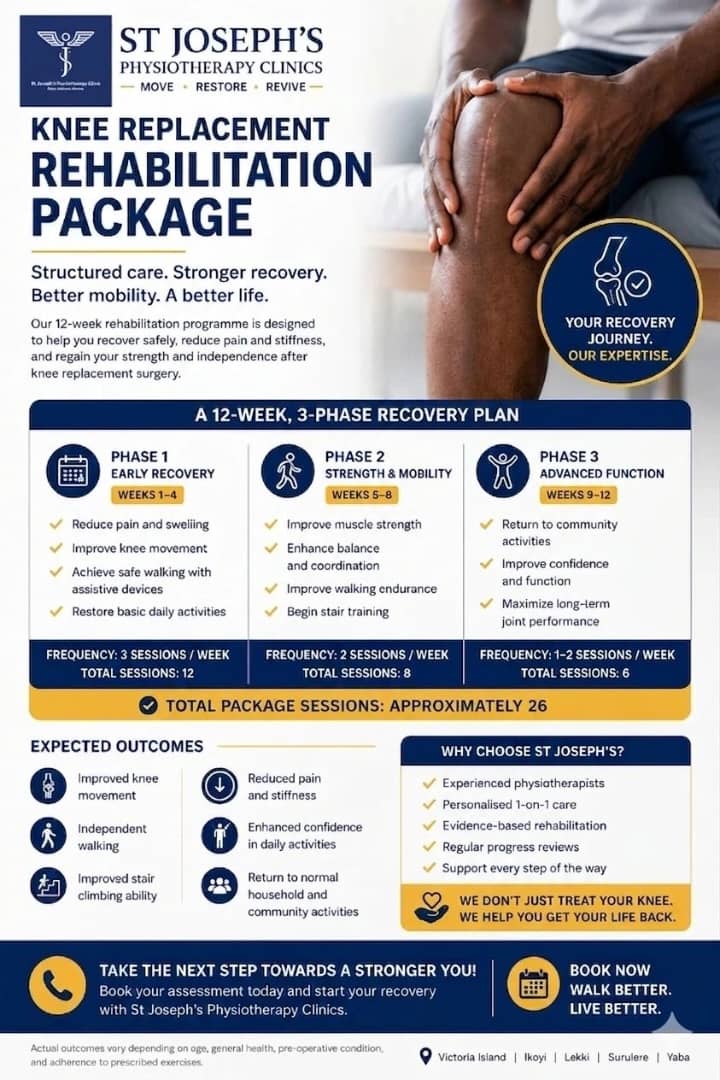
Complete Knee Replacement Rehabilitation Package in Lagos
Knee replacement surgery is a major step toward pain relief and improved mo…

NAMDA threatens strike over unpaid medical lecturers’ allowances
The Nigerian Association of Medical and Dental Academics (NAMDA) has warned…

Resident Doctors Signal End to Strike Threat After High-Level Talks with Gbajabiamila
The threat of a nationwide indefinite strike by the Nigerian Association of…

AMLSN Issues Strong Rejoinder to NAMDA on Public Service Establishment Matters
The Association of Medical Laboratory Scientists of Nigeria (AMLSN) has rel…