The Qualcomm Incorporated, through its wireless reach initiative, has partnered the Vecna Cares Charitable Trust, InStrat Global Health Solutions, Etisalat Nigeria, the Nigeria’s National Primary Health Care Development Agency and Evidence for Action to develop a wireless, electronic medical record system for clinics.
This will be implemented in three states within the NPHCDA.
The Evidence for Action is a campaign to ensure Africa’s mothers and babies survive the trouble of pregnancy and childbirth.
The alliance is targeted at achieving a paperless, mobile patient registry to midwives throughout rural Nigeria. The CliniPAK360 project, as it is called, is aimed at reducing the country’s high maternal and infant mortality rates.
Nigeria, Africa’s most populous country, has one of the world’s highest maternal and infant mortality rates.
The United States Central Intelligence Agency estimated in the World Factbook that Nigeria experienced approximately 630 maternal deaths per 100,000 live births in 2010 and approximately 73 infant deaths per 1,000 live births in 2013.
In comparison, the maternal death rate in developed countries is approximately nine per 100,000 births.
Currently, the NPHCDA midwives record patient data in paper notebooks and the regional health officers visit the clinics to review the reports for accuracy.
To lighten this burden and increase the accuracy and efficiency, this Wireless Reach-funded project, the firm said, featured a cloud-based electronic medical record system.
The firm said, “As part of the project, each midwife uses a tablet to record patient data at the point of care. The data is transmitted wirelessly via Etisalat’s 3G mobile network to the CliniPAK central server, which aggregates and synchronises the data with clinic-based CliniPAK units.
“The system supports midwives as they interact with patients by alerting them to risk factors and red flags based on information assembled at the point of care. The system also allows clinicians and midwives to more closely track at-risk patients and make timely, more informed decisions about patient care.
“In addition, policy leaders at the NPHCDA will have access to the data and use the pilot project to establish the foundation for their entire medical record system.”
The project’s pilot phase, Qualcomm said, was currently under way in seven NPHCDA clinics in the Federal Capital Territory.
ABUJA: Training Schedule for Basic Life Support BLS, Pediatric Advanced Life Support (PALS), Advanced Cardiovascular Life Support ACLS, First Aid, CPR, AED
PORTHARCOURT: Training Schedule for Basic Life Support BLS, Pediatric Advanced Life Support (PALS), Advanced Cardiovascular Life Support ACLS, First Aid, CPR, AED
LAGOS: Training Schedule for Basic Life Support BLS, Pediatric Advanced Life Support (PALS), Advanced Cardiovascular Life Support ACLS, First Aid, CPR, AED
STOP paying for airtime and electricity, Let your phone pay its bills with ScreenT
You may also like

FG Supports Robotic Surgery Expansion to Reduce Medical Tourism
Nigeria is taking another step toward strengthening specialised healthcare …
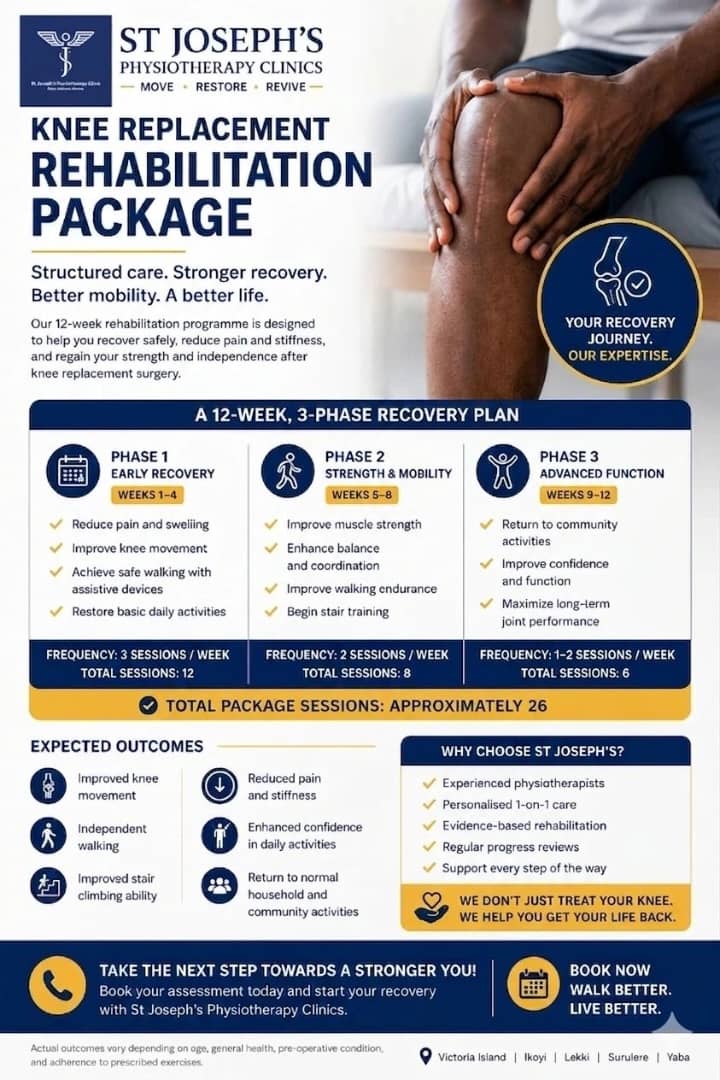
Complete Knee Replacement Rehabilitation Package in Lagos
Knee replacement surgery is a major step toward pain relief and improved mo…

NAMDA threatens strike over unpaid medical lecturers’ allowances
The Nigerian Association of Medical and Dental Academics (NAMDA) has warned…

Resident Doctors Signal End to Strike Threat After High-Level Talks with Gbajabiamila
The threat of a nationwide indefinite strike by the Nigerian Association of…
AMLSN Issues Strong Rejoinder to NAMDA on Public Service Establishment Matters
The Association of Medical Laboratory Scientists of Nigeria (AMLSN) has rel…