When it comes to the most intractable form of depression, Major Depressive Disorder, symptoms vary, the causes are nuanced and poorly understood, and not everyone responds to the same treatment. Now, a group of researchers have found a partial reason why a class of antidepressants work for some and not others—and it lies within a gene.
Dr. Marianne Müller, a psychiatrist at Johannes Gutenberg University, explains that people who are at extreme lows and sometimes at risk of suicide lose precious time cycling through different drugs, waiting for them to take effect, and seeing what works.
To find an explanation for the variation in response to antidepressants, Müller and her colleagues first turned to mice. They separated out the mice into two groups, and dropped them into pools of water before giving them an SSRI (serotonin-selective reuptake inhibitor) antidepressant. Some responded well to the drugs, and showed signs of persistence by continuing to swim to escape. Others didn’t seem to be helped, and laid limp in the pool, doing only the bare minimum to stay afloat.
Analyzing the transcription factors in the blood of the “good” and “bad” responders, Müller’s group found that the “good” mice had much higher blood levels of a product of a gene that relates to stress response.
Müller’s group then looked to see how this might help humans.
Looking at a group of human patients with depression, they set out to look at the differences between mice and men. And, as it turns out, the result mostly held up: the presence or absence of this transcription factor predicted response to antidepressants with 76 percent accuracy. They published their findings Thursday in PLOS Biology.
You may also like

FG Supports Robotic Surgery Expansion to Reduce Medical Tourism
Nigeria is taking another step toward strengthening specialised healthcare …
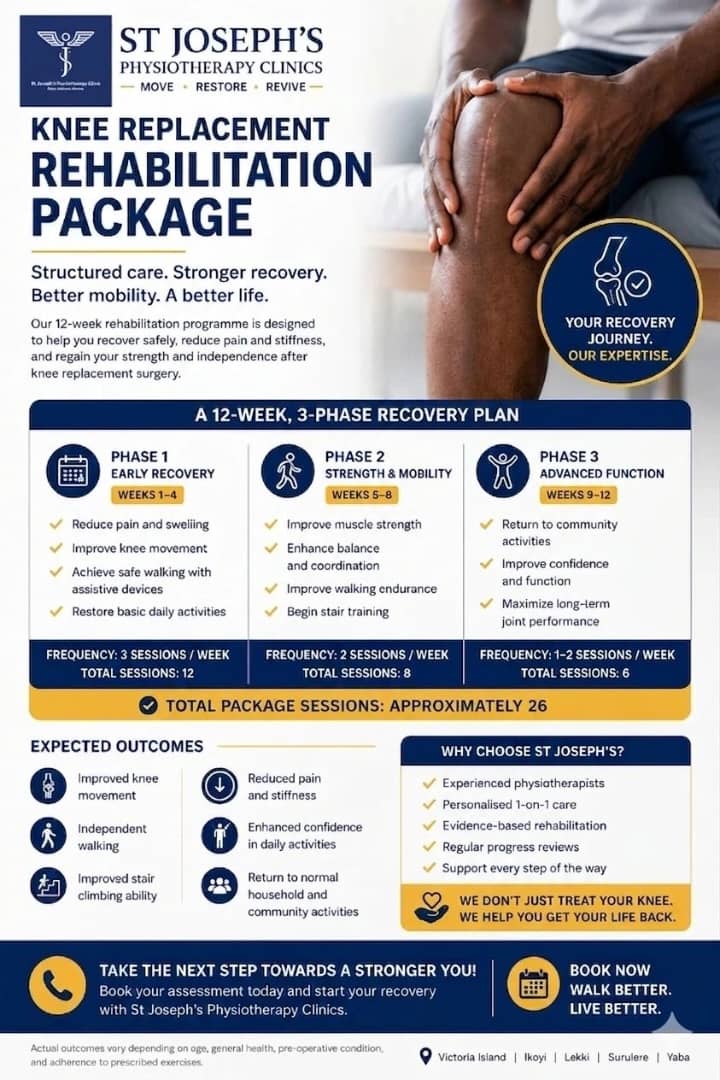
Complete Knee Replacement Rehabilitation Package in Lagos
Knee replacement surgery is a major step toward pain relief and improved mo…

NAMDA threatens strike over unpaid medical lecturers’ allowances
The Nigerian Association of Medical and Dental Academics (NAMDA) has warned…

Resident Doctors Signal End to Strike Threat After High-Level Talks with Gbajabiamila
The threat of a nationwide indefinite strike by the Nigerian Association of…
AMLSN Issues Strong Rejoinder to NAMDA on Public Service Establishment Matters
The Association of Medical Laboratory Scientists of Nigeria (AMLSN) has rel…