DIABETES-P• Develop artificial pancreas, reverse type one in mice
UNTIL now, diabetes is incurable but can only be controlled and managed with drugs, insulin and life style modifications. But three recent studies suggest that the ‘cure’ is nearer than expected.
In a new study published in the New England Journal of Medicine, researchers report the success of a bionic pancreas that can help control blood sugar levels in patients with type 1 diabetes, and claim the device may provide “a bridge to the often-promised but still elusive cure” for the disease.
The novel device, created by researchers from Massachusetts General Hospital (MGU) and Boston University (BU), United States, is made up of a smartphone that is connected to a continuous glucose monitor and two pumps, which deliver doses of insulin or glucagon - a peptide hormone that increases glucose levels in the blood - to the patient every five minutes.
Also, British researchers in a study published on Monday in Lancet Diabetes and Endocrinology Journal, claim that an artificial pancreas could allow thousands of diabetes patients to live normal lives without constant injections of insulin. There are also hopes that the device could eventually help tackle the diabetes epidemic linked to obesity.
The artificial pancreas resembles an iPod and is strapped to patients’ clothing with a small monitor and pump fitted to their skin. The device monitors blood sugar levels and then injects insulin when needed
It works by continually monitoring their blood sugar and then giving them regular doses of insulin to ensure it stays at a normal level. In the first trial of its kind, 24 British patients with Type 1 diabetes were given the device to wear for a month at home, instead of injecting themselves with insulin.
Type 1 diabetes is a lifelong condition usually diagnosed in children or young adults – which is when the pancreas stops producing insulin.
Patients have to inject themselves with insulin between two and five times a day and constantly monitor their blood sugar levels by pricking their fingers and putting samples on testing strips.
Cambridge University researchers leading the latest study say the artificial pancreas was so successful that it could also benefit patients with Type 2 diabetes.
Future studies will determine whether the device works just as well for them.
The scientists, whose study is published Monday in the Lancet Diabetes and Endocrinology Journal, plan to carry out a much larger trial involving more patients being given artificial pancreases and monitored for much longer.
Also, investigators at the University of Cincinnati (UC), United States, have found a therapy that reverses new onset Type 1 diabetes in mouse models and may advance efforts in combating the disease among humans.
The study, led by William Ridgway, MD, was presented on June 14, 2014, at the American Diabetes Association’s 74th Scientific Sessions in San Francisco.
According to the Diabetes Association of Nigeria (DAN), Type 1 diabetes is usually diagnosed in children and young adults and affects about five percent of all people with diabetes. In Type 1 diabetes, the body does not produce sufficient insulin, which is central to glucose metabolism: without insulin, blood glucose rises.
There is no cure for Type 1 diabetes though it can be controlled with insulin therapy. Symptoms of the disease include frequent urination, excessive thirst and weight loss even though you are eating more.
Researchers say the incidence of Type 1 diabetes and autoimmunity in general has risen rapidly since the mid-20th century, possibly the result of under-stimulation of innate immune systems which trigger autoimmunity in children and young adults. In Type 1 diabetes, autoimmunity causes the body’s T-cells to attack its insulin-producing beta cells.
Previously, it has been reported that non-obese diabetic mice have defects in innate immune cells and that TLR4, a toll-like receptor, plays a protective role in preventing Type 1 diabetes.
The Boston research team, including Dr. Steven Russell of the Diabetes Unit at MGU and Edward Damiano of the Department of Biomedical Engineering at BU, conducted an initial study on the first-generation device in 2010. The study, which tested the device on 27 patients with type 1 diabetes, took place in a controlled hospital inpatient environment. Throughout the study, patients ate prescribed meals and stayed in bed for the most part.
But the researchers have now created a new, wearable version of the device, which Russell says allows participants to “stay in something close to their usual environments, exercise and eat whatever they want.”
The original device, although reporting successful results, presented some challenges for testing outside of a hospital environment.
For example, the team says the device’s control system was unable to adapt to the changing requirements of an individual with type 1 diabetes, as well as the different needs of adolescents and adults.
They note that in adolescents, fast growth and hormonal changes mean their insulin requirements are two to three times greater than those of adults who are the same body weight. In addition, they point out that although the insulin doses an adult requires are more predictable, something as simple as catching a cold or a stomach bug can significantly change their insulin needs from days to weeks at a time.
With this in mind, the investigators carried out a number of software improvements so the device can adapt to a patient’s individual dosage needs. Furthermore, the team added a smartphone to the mix, allowing the two insulin- and glucagon-delivering pumps to be activated by wireless communication.
The researchers explain that every five minutes, the smartphone - an iPhone 4S - receives a blood sugar reading from an attached continuous blood glucose monitor. The smartphone uses this reading to calculate the dose of insulin or glucagon that needs to be delivered to the patient.
The smartphone also consists of an app that requires the patient to enter dietary information before a meal - simply whether they are about to have breakfast, lunch or dinner and whether their carbohydrate intake will be typical, smaller or large than normal. The team says that this is much easier than the complicated calculations patients usually have to do to estimate carbohydrate intake.
For their study, the team tested the updated device in two separate five-day clinical trials. Both trials compared the effectiveness of the device against that of the insulin pumps patients normally use to control their blood glucose levels.
The first trial involved 20 participants aged 21 or over with type 1 diabetes. All participants lived at home while managing their diabetes with insulin pumps, but were required to stay within a three-square-mile area of downtown Boston and sleep in a hotel while using the bionic pancreas, so their blood sugar levels could be continuously monitored by study helpers.
Participants were accompanied by a nurse 24 hours a day while using the bionic pancreas, but were allowed to carry out any activity they chose, such as going to the gym or eating at a restaurant.
The second trial involved 32 participants ages 12-20 with type 1 diabetes who stayed at a summer camp for diabetic adolescents throughout the duration of the study. While using the bionic pancreas, the adolescents had their glucose levels closely monitored through wireless communication by staff at the camp. Participants followed the same activity and meal schedules as other adolescents at the camp during both the bionic pancreas and usual care phases.
The researchers note that in both phases of the adult and adolescent trials, participants received an alert if their blood sugar levels fell below a range that required carbohydrate administration.
Ridgway, Alice W. and Mark A. Brown Professor and Director of the division of immunology, allergy and rheumatology at UC, says his team of researchers used an agonistic monoclonal antibody, UT18, to boost the activity of TLR4 and reverse new onset diabetes in a high percentage of newly diabetic non-obese mice.
The key to reversing Type 1 diabetes in mice, says Ridgway, is catching the disease at its onset, which is typically within a very short time window. The time frame would be longer in humans, but it is still a relatively short time from new onset to end-stage Type 1 diabetes, says Ridgway.
Ridgway says this approach differs from most in combating Type 1 diabetes because his team’s therapies in mice do not directly interact with T-cells. He says treatment of autoimmunity has often been directed at suppressing an over-zealous adaptive immune response by eliminating auto-reactive T-cells.
ABUJA: Training Schedule for Basic Life Support BLS, Pediatric Advanced Life Support (PALS), Advanced Cardiovascular Life Support ACLS, First Aid, CPR, AED
PORTHARCOURT: Training Schedule for Basic Life Support BLS, Pediatric Advanced Life Support (PALS), Advanced Cardiovascular Life Support ACLS, First Aid, CPR, AED
LAGOS: Training Schedule for Basic Life Support BLS, Pediatric Advanced Life Support (PALS), Advanced Cardiovascular Life Support ACLS, First Aid, CPR, AED
STOP paying for airtime and electricity, Let your phone pay its bills with ScreenT
You may also like

FG Supports Robotic Surgery Expansion to Reduce Medical Tourism
Nigeria is taking another step toward strengthening specialised healthcare …
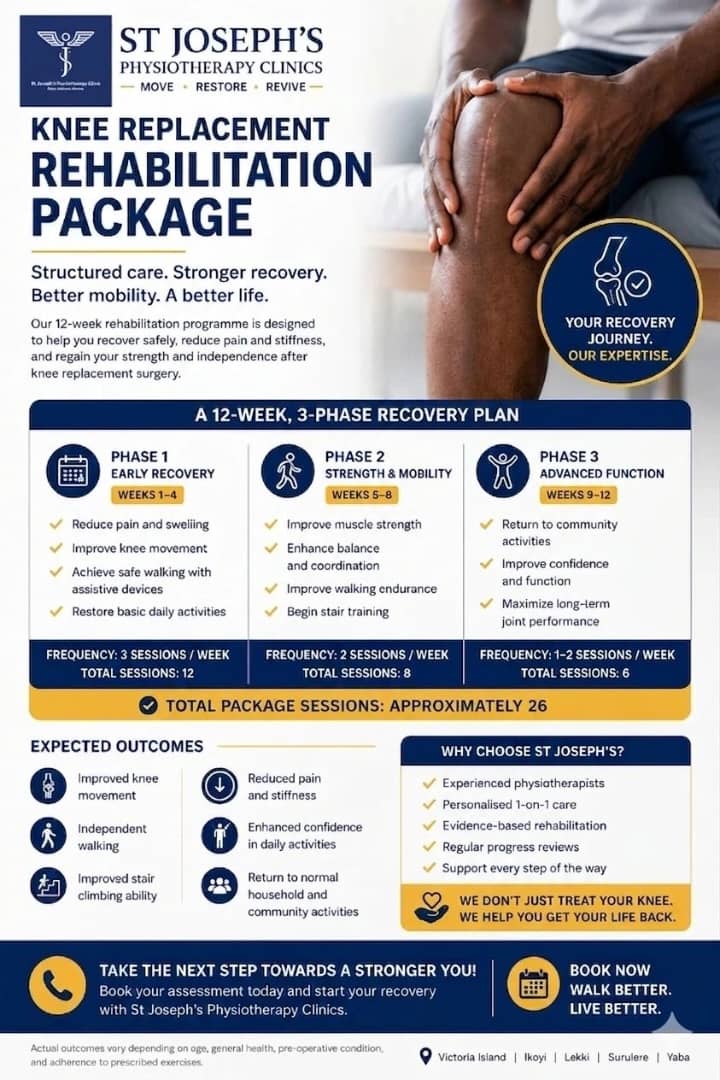
Complete Knee Replacement Rehabilitation Package in Lagos
Knee replacement surgery is a major step toward pain relief and improved mo…

NAMDA threatens strike over unpaid medical lecturers’ allowances
The Nigerian Association of Medical and Dental Academics (NAMDA) has warned…

Resident Doctors Signal End to Strike Threat After High-Level Talks with Gbajabiamila
The threat of a nationwide indefinite strike by the Nigerian Association of…
AMLSN Issues Strong Rejoinder to NAMDA on Public Service Establishment Matters
The Association of Medical Laboratory Scientists of Nigeria (AMLSN) has rel…
