Teenagers who consume energy drinks more likely to usse alcohol, drugs.
NEARLY one-third of United States adolescents consume high-caffeine energy drinks or "shots", and these teens report higher rates of alcohol, cigareette, or drug use, reports a study in the January/Febuary journal of Addiction Medicine, the official journal of the American Society of Addiction Medicine. The journal is published by Lippincott Williams & Wilkins, a part of Wolters Kluwer Health.
The same characteristics that attract young people to consume energy drinks such as being "sensation-seeking or risk-oriented"- may make them more likely to use other substances as well, suggests the new research by Yvonne M. Terry-McElrath, MSA, and colleagues of the institute for socail Research, University of Michigan, Ann Arbor.
The researchers analyzed nationally representative data on nearly 22,000 US secondary scholl students (eight, tenth and twelfth graders). The teens were participants in the University of Michigan's "Monitoring the Future" study, funded by the National Institute on Drug Abuse.
In response to question naires, about 30 per cent teens reported using caffeine-containing energy drinks or shots. More than 40 percent said they drank regular soft drinks everyday, while 20 percent drank diet soft drinks daily.
Boys were more likely to use energy drinks than girls. Use was also higher for teens without two parents at home and those whose parents were lsee educated.
Perhaps surprisingly, the youngest teens (eight graders) were most likely to use energy drinks/shots.
Students who used energy drnks/shots were also more likely to report recent use of alcohol, cigarettes, and illict drugs. Across age groups and with adjustment for other factors teens who used two or three times more liely to report other types of sbustance use, compared to those who didn't use energy drinks.
Energy drinks and shots products containing high doses of caffeine, marked as aids to increasing energy, concentration, or alertness. Studies in young adults suggest that consumption of energy drinks is associated with increased use of alcohol, marijuana, and tobacco.
In young adults, energy drinks have been linked to behavioral patterns of "sensation-seeking or risk orientation". Energy drinks are often used together with alcohol, which may "mask" the intoxicating effects of alcohol.
ABUJA: Training Schedule for Basic Life Support BLS, Pediatric Advanced Life Support (PALS), Advanced Cardiovascular Life Support ACLS, First Aid, CPR, AED
PORTHARCOURT: Training Schedule for Basic Life Support BLS, Pediatric Advanced Life Support (PALS), Advanced Cardiovascular Life Support ACLS, First Aid, CPR, AED
LAGOS: Training Schedule for Basic Life Support BLS, Pediatric Advanced Life Support (PALS), Advanced Cardiovascular Life Support ACLS, First Aid, CPR, AED
STOP paying for airtime and electricity, Let your phone pay its bills with ScreenT
You may also like

FG Supports Robotic Surgery Expansion to Reduce Medical Tourism
Nigeria is taking another step toward strengthening specialised healthcare …
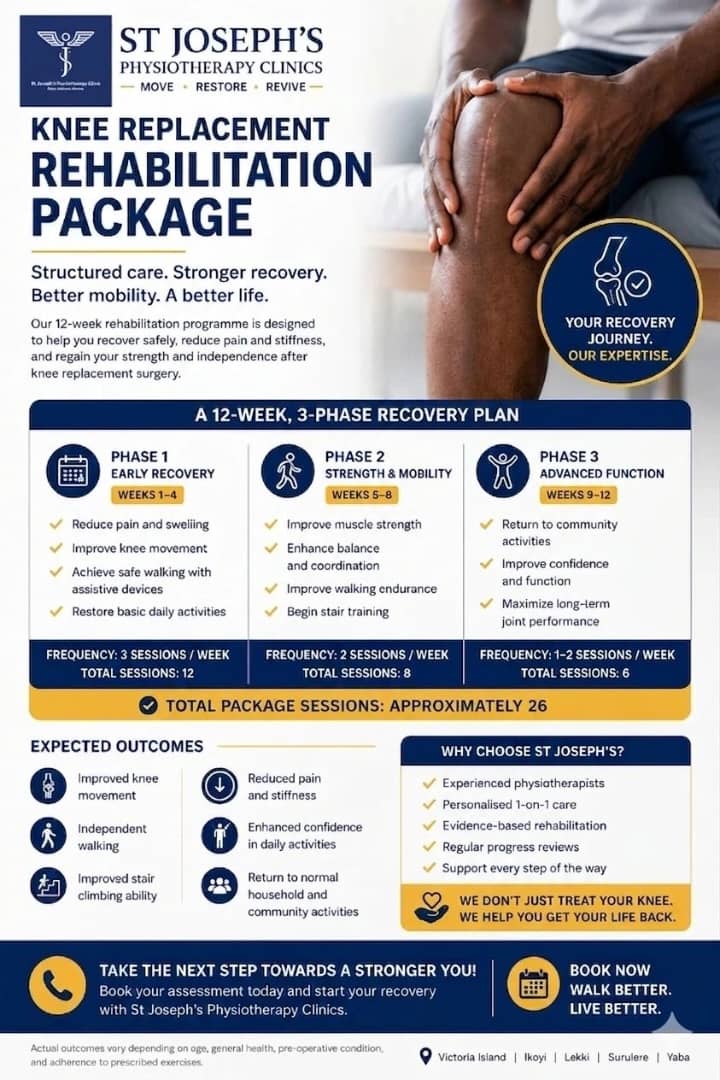
Complete Knee Replacement Rehabilitation Package in Lagos
Knee replacement surgery is a major step toward pain relief and improved mo…

NAMDA threatens strike over unpaid medical lecturers’ allowances
The Nigerian Association of Medical and Dental Academics (NAMDA) has warned…

Resident Doctors Signal End to Strike Threat After High-Level Talks with Gbajabiamila
The threat of a nationwide indefinite strike by the Nigerian Association of…

AMLSN Issues Strong Rejoinder to NAMDA on Public Service Establishment Matters
The Association of Medical Laboratory Scientists of Nigeria (AMLSN) has rel…