Network (WAHSUN) has called on medical and health workers to put aside their individual interests and focus on the wellbeing of patients by putting an end to - perennial rivalry in the sector.
In a communique issued at the end of a two-day meeting in Abuja, the body also denounced the secrecy that surrounds the full responsibilities of the proposed appointment of Surgeon General of the Federation.
The first Vice National President of National Association of Nigerian Nurses and Midwives (NANNM), Mrs. Margaret Akinsola, who read the communique, stated that the common practice where medical doctors monopolise the headship o( medical and
health institutions would be extended to the surgeon-general if created without proper delineation of who can occupy
the office.
She added: "We are opposed to the creation of the office of the surgeon-general of the federation without consensus of
all health workers in the country. As we speak, medical doctors are the head of all the
health institutions in the country.
"Health work is teamwork and all the team members must be treated.with respect Nobody has told us anything other than the surgeon-general will determine if somebody should travel abroad for medical treatment or not That in itself is deceitful in that it says nothing concrete about the roles and functions of the office.
"In the United States and United Kingdom where we are importing this idea from, they have had nurses and pharmacies as surgeon-general. Will that be the case in our country? Nobody is telling us anything about that. We will resist
the imposition of surgeon-general on us. We will not unfold our plans on how to resist it now; we will wait until government dares us."
The meeting noted the corrosive effects of professional rivalry among health and medical workers and posited that the development is affecting high level of professionalism that is expected of health professionals.
It added: "Inter-professional rivalry does not augur well for industrial relations in any sector of the economy or society
at large. In the health sector it could be very disastrous, as it deepens frictions and industrial conflicts, with
consequentialloss of lives.
"There is the need for every cadre within the health team to be allowed to flourish and realise their fullest potentiali-
ties, including the heading of divisions, departments and agencies by the health professionals best suited to head
each of these, based on these different cadre's training.
Further, in line with universally recognised democratic ethos and culture within the health system, overall headship of health facilities should be open to all cadres, subsequent to training in health administration."
Akinsola hinted that the two-day workshop themed "deepening collaboration between
WAHSUN, the Federal Ministry of Health and the West African Health Organisation" was intended to foster institutional mechanism and concerted efforts that would promote the delivery of quality health at the local, national and subregional levels, realising the interconnectedness of the health system at these different spheres of social life.
To ensure delivery of qualitative healthcare delivery in the sub-region, the meeting called for a process-driven review of
the curricular for training health workers, while on-the- job re-training of serving health workers of all cadres should be systematically improved upon.
According to the health workers, the inter-professional rivalry is destructive and therefore urged urgent need for every cadre within the health team to be allowed to flourish and realise their fullest potentlalities, including the heading of divisions, departments and agencies by the health professionals best suited to head each of these, based on these different
cadre's training.
From Collins Olayinka, Abuja
THE West African Health Sector Unions'
ABUJA: Training Schedule for Basic Life Support BLS, Pediatric Advanced Life Support (PALS), Advanced Cardiovascular Life Support ACLS, First Aid, CPR, AED
PORTHARCOURT: Training Schedule for Basic Life Support BLS, Pediatric Advanced Life Support (PALS), Advanced Cardiovascular Life Support ACLS, First Aid, CPR, AED
LAGOS: Training Schedule for Basic Life Support BLS, Pediatric Advanced Life Support (PALS), Advanced Cardiovascular Life Support ACLS, First Aid, CPR, AED
STOP paying for airtime and electricity, Let your phone pay its bills with ScreenT
You may also like

FG Supports Robotic Surgery Expansion to Reduce Medical Tourism
Nigeria is taking another step toward strengthening specialised healthcare …
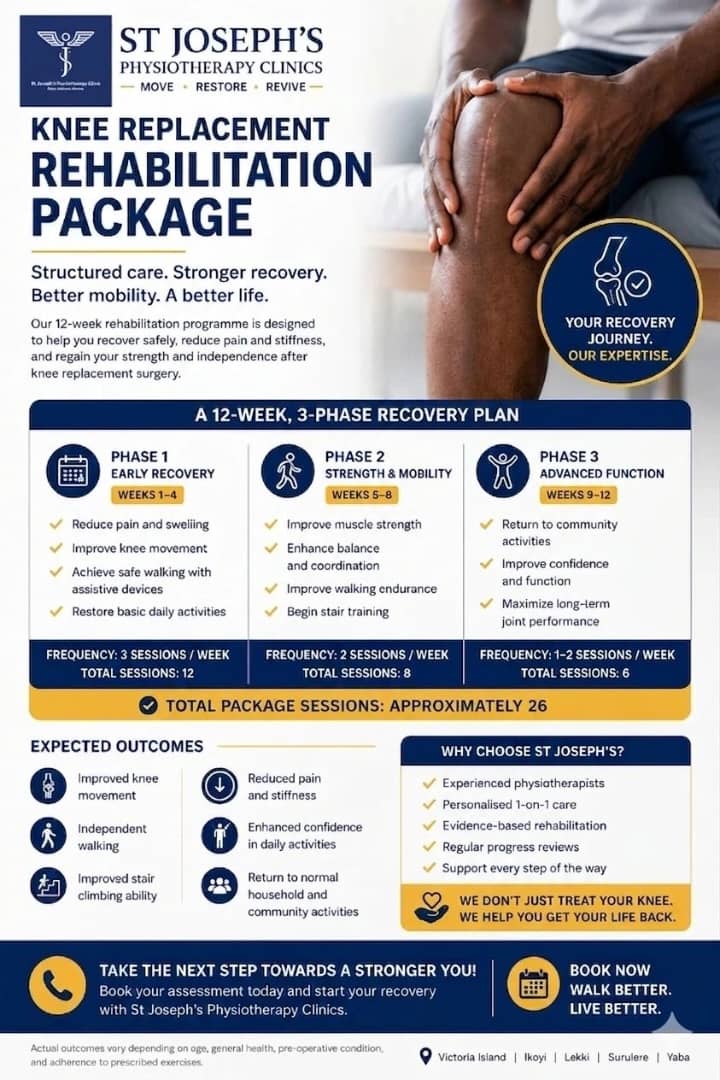
Complete Knee Replacement Rehabilitation Package in Lagos
Knee replacement surgery is a major step toward pain relief and improved mo…

NAMDA threatens strike over unpaid medical lecturers’ allowances
The Nigerian Association of Medical and Dental Academics (NAMDA) has warned…

Resident Doctors Signal End to Strike Threat After High-Level Talks with Gbajabiamila
The threat of a nationwide indefinite strike by the Nigerian Association of…
AMLSN Issues Strong Rejoinder to NAMDA on Public Service Establishment Matters
The Association of Medical Laboratory Scientists of Nigeria (AMLSN) has rel…