I see all these people coming in to the hospital now who are really sick, and I’m wondering, could this be me one day? There are a lot of unknowns. And the anxiety is amplified, knowing what happened in my household. — Dr. Andrew Cohen, an emergency medicine physician at St. Joseph’s University Medical Center, Paterson, N.J.
When Dr. Andrew Cohen, 45, is working his shift at the hospital’s emergency department, he is fine. He has the thick emotional skin characteristic of his high-octane profession. He dons his gear, turns his adrenaline up to a quiet, steady hum and focuses on saving lives.
But hours before the shift starts, he becomes foggy, anxious, hesitant. And as soon as it ends, he performs a cleansing ritual that even he labels “over the top.” That is because he has discovered, in a brutal manner, that he cannot leave the job behind.
For nearly a decade, Dr. Cohen and his wife shared their home with her parents, a practicing pulmonologist and a retired nurse, who often babysat for the Cohens’ children, now 8 and 11. But in March, both in-laws became ill with Covid-19 and were admitted to the hospital within a day of each other.
Dr. Cohen’s mother-in-law, Sharon Sakowitz, 74, died first.
Still mourning, Dr. Cohen wonders, “Did I bring this virus into my house?” As he prepares to go to work, “My son says, ‘Daddy, be very, very careful,’ and I know what he’s thinking.”
The guilt threatens to swamp him. What if he is the third person in this household to die?
After the shift, Dr. Cohen photocopies his notes, so there’s no risk he leaves with paper that might have coronavirus on it. He cleans his stethoscope, pens, goggles, face shield and the bottom of his sneakers with antimicrobial wipes. He does a surgical hand wash, up to his elbows.
He changes into a clean set of scrubs, putting the dirty ones in a plastic bag, and walks through the hospital parking lot. Sitting in his car, he sprays the bottom of his shoes with Lysol.
At home, he removes his sneakers and scrubs, leaving them in a box in the garage, and heads to the shower. Only after will he allow himself to embrace his family.
How long will Dr. Cohen march through this meticulous ritual? When will fear loosen its grip?
“We’ve always been told to suck it up and move on,” he said. He wonders: When his own emotional crash comes, when colleagues start unraveling, “Will there be people there to help us?”
Newyork Times
You may also like

Doctor Dies of Lassa Fever as Death Toll Exceeds 200: Renewed Call for Stronger Disease Control Measures
The death of a medical doctor from Lassa fever in Benue State has reignited…

BEYOND NEGLECT: OUR ADVOCACY IS FORGING A TRANSFORMED PROFESSION
BEYOND NEGLECT: OUR ADVOCACY IS FORGING A TRANSFORMED PROFESSIONTo all memb…

Nigeria Moves Closer to Eliminating River Blindness, Says NIMR
The Nigerian Institute of Medical Research (NIMR) has expressed renewed opt…
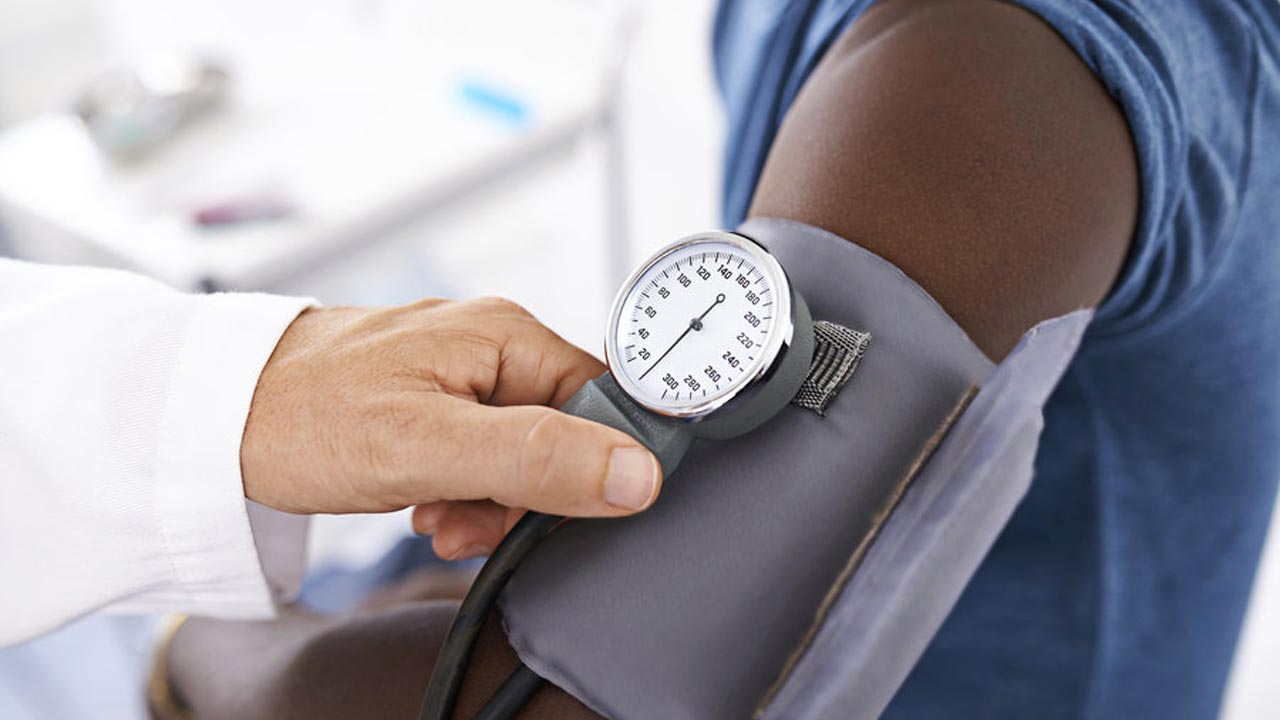
Nigeria’s Silent Crisis: Confronting the Realities of Hypertension and Diabetes
Amidst Nigeria’s wide-ranging public health challenges, two chronic conditi…

The Practicality and Benefits of Paying Ward Coat Allowance to Medical Professionals
In the evolving landscape of medical education and healthcare practices, th…