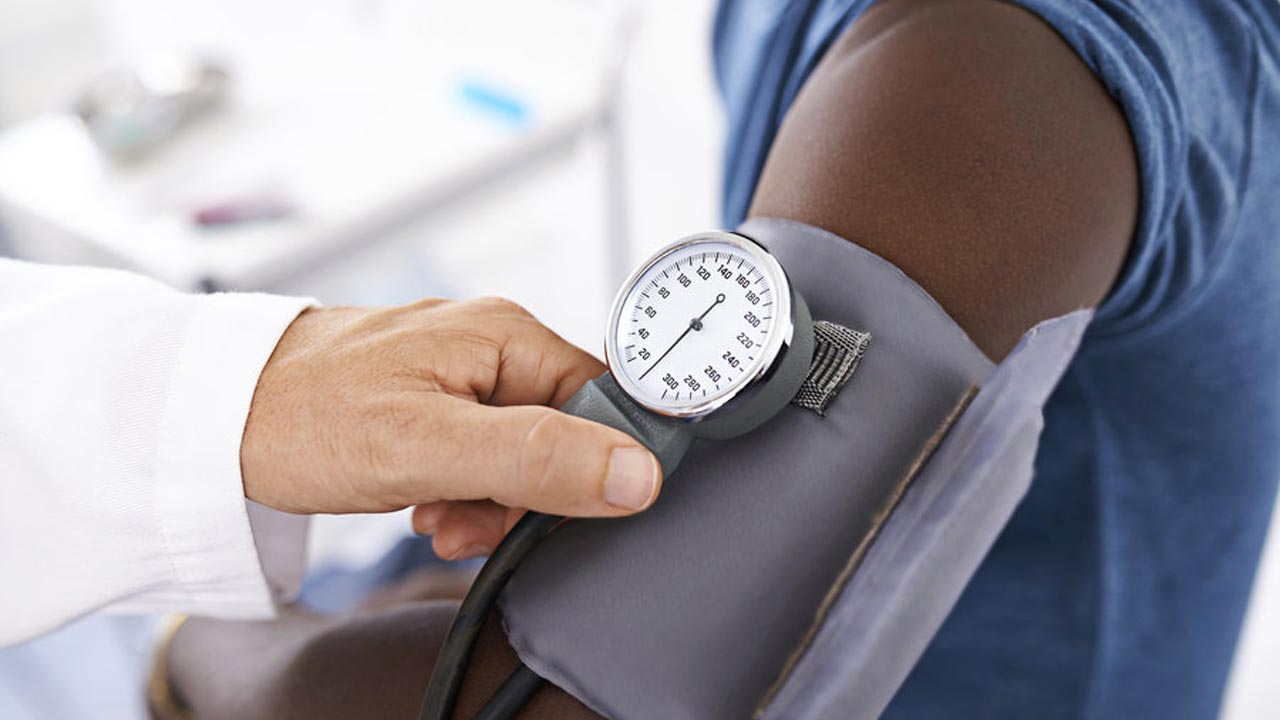
Measuring blood pressure is thought of as a fundamental skill, but is it being performed correctly? The American Heart Association and American Medical Association has released an on-line refresher course for HCPs to brush up on their knowledge and technique. Continue reading to find out why physicians are being targeted for this training.
Is There a Clear Need for Re-Training in Basic B/P Skills?
Like nurses, most physicians learn how to measure blood pressure while they are in medical school. It’s likely they don’t receive refreshers following their initial training over their professional careers. There’s concern that lack of training on this fundamental skill could lead to misdiagnosis of a patient symptoms, especially with high blood pressure being the leading risk factor for heart attacks and strokes.
On-line Course Launched
On November 18th, the American Medical Association (AMA) and the American Heart Association (AHA) released an on-line course to provide periodic retraining. The aim is to ensure health care professionals measure blood pressure accurately and consistently every time. The 30-minute course is based on the updated 2017 comprehensive clinical guidelines for the prevention, diagnosis and treatment of hypertension in adults. The guidelines were developed by several health organizations, including the AHA and the American College of Cardiology.
The course objectives include:
Reinforce guideline recommended blood pressure measurement techniques
Simulate proper BP measurement using a manual, semi-automatic, or automated device
Boost competency and confidence in BP measurement
The course also provides 0.5 Continuing Education (CE) credit and costs 25.00 for individual enrollment. The course can be accessed at Achieving Accuracy: BP Measurement.
Clear Need for Training
The module was developed after the AMA-AHA surveyed over 2,000 healthcare professionals and found they were not receiving ongoing blood pressure training. Specific findings include:
Half of physicians and physician assistants reported never receiving BP retraining after school
One-third of nurses and a quarter of medical assistants were not retrained
As much as 41% of BPs taken across all medical practices were probably less than 100% accurate
50% medical assistants and three-quarters of nurses, physician assistants, primary-care physicians and pharmacists were not required to complete refresher training but felt it should be a regular part of their continuing medical education.
Campaigning for Accuracy
According to Dr. Michael Rakotz, a family physician and the vice president of health outcomes for the AMA, very few medical professionals, including nurses and doctors, perform the procedure correctly. The AMA sponsors an ongoing campaign to raise awareness around the correct technique for BP measurement. The campaign includes posters that are displayed in exam rooms and anywhere vital signs are taken. The posters also raise awareness among patients and Rakotz states, “once the patients learn how their blood pressure should be measured, they aren’t going to let anybody measure it incorrectly again”.
Common Mistakes
Regardless if you are a student, nurse, physician or other healthcare provider, there are common mistakes we make when measuring blood pressure. Have you made any of these BP missteps?
Incorrect positioning
For someone able to maintain a sitting position, both feet should rest on the ground or a stool. The back and arms should be supported, with arms propped at heart level.
Activity before a measurement
Sitting quietly 5 minutes after activity for five minutes will help relax the body after activity.
Placing cuff over clothing
It is important to place the cuff on bare skin. Did you know placing a cuff over a sleeve can add up to 50mmHg to a reading depending on the clothing’s thickness?
Using the wrong sized cuff
Using a cuff that is too small can add between 2mmHg to 10mmHg to a BP reading.
Talking during the measurement
It is tempting to talk and ask questions while taking a BP, however, even active listening can add 10mmHg.
Heavy Consequences
Dr. Raymond Townsend, director of the hypertension program at the University of Pennsylvania Hospital points out the consequences of simple errors, “When you label someone as having hypertension you actually have given them a chronic disease label. That can be a downer on our outlook on life so getting it right is important”.
Dr. Townsend and Dr. Rakotz worked on a study to look at the accuracy of blood pressure measurement among medical students. During the 2015 annual AMA meeting, early 160 medical students participated in a “blood pressure check challenge”. The students were evaluated on 11 measurement elements and four was the average number performed correctly.
Townsend points out correct measurement and treatment of blood pressure is the single most important difference HCPs can make to “ help someone live longer and live free of target organ damage”.
Evaluating Effectiveness
The AMA and AHA have partnered with Advocate Aurora Health, the University of Pennsylvania, the University of Alabama and CVS Minuteclinic chain to evaluate if the on-line training meets the training needs of their clinical staff.
What do you think?
Is it important for physicians, as well as other HCPs, to retrain periodically on this fundamental skill?
By J.Adderton J.Adderton, BSN, MSN Member Writer Expert Nurse
AllNurses
ABUJA: Training Schedule for Basic Life Support BLS, Pediatric Advanced Life Support (PALS), Advanced Cardiovascular Life Support ACLS, First Aid, CPR, AED
PORTHARCOURT: Training Schedule for Basic Life Support BLS, Pediatric Advanced Life Support (PALS), Advanced Cardiovascular Life Support ACLS, First Aid, CPR, AED
LAGOS: Training Schedule for Basic Life Support BLS, Pediatric Advanced Life Support (PALS), Advanced Cardiovascular Life Support ACLS, First Aid, CPR, AED
STOP paying for airtime and electricity, Let your phone pay its bills with ScreenT
You may also like

Doctor Dies of Lassa Fever as Death Toll Exceeds 200: Renewed Call for Stronger Disease Control Measures
The death of a medical doctor from Lassa fever in Benue State has reignited…

BEYOND NEGLECT: OUR ADVOCACY IS FORGING A TRANSFORMED PROFESSION
BEYOND NEGLECT: OUR ADVOCACY IS FORGING A TRANSFORMED PROFESSIONTo all memb…
Nigeria Moves Closer to Eliminating River Blindness, Says NIMR
The Nigerian Institute of Medical Research (NIMR) has expressed renewed opt…
Nigeria’s Silent Crisis: Confronting the Realities of Hypertension and Diabetes
Amidst Nigeria’s wide-ranging public health challenges, two chronic conditi…

The Practicality and Benefits of Paying Ward Coat Allowance to Medical Professionals
In the evolving landscape of medical education and healthcare practices, th…