Consuming lots of dairies could raise the risk of men developing prostate cancer, a review of evidence has suggested. Experts at the Mayo Clinic analysed the results of 47 studies that delved into the link between diet and the disease. They found men who regularly ate dairy were between seven to 76 per cent more likely to get prostate cancer.
However, some studies found no link or even the opposite. Critics said the review suffered from a number of ‘weaknesses’. The research, based on tracking more than one million participants for up to 20 years, is not the first to suggest dairy is linked to prostate cancer.
However, the results on cheese, milk, and butter have thrown up mixed results and the risk is thought to be small. It is thought eating large quantities of dairy increases the amount of insulin-like growth factor (IGF) inside the body.
The protein interacts with cells and causes a ‘cascade of reactions’, according to the World Cancer Research Fund International. The review, which analysed studies published since 2006, was published in the Journal of the American Osteopathic Association.
Lead author, Dr. John Shin, has now called for more trials to investigate the link between dairy products and prostate cancer. Discussing the findings, he said: “Our review highlighted a cause for concern with high consumption of dairy products.”
The results did not say what amount of dairy was linked to an increased risk. Results also showed men who stuck to plant-based diets were less likely to develop prostate cancer. The American Institute for Cancer Research recommends a plant-based diet to slash the risk of cancer because of the ‘protective nutrients’.
The study found no link to an increased risk of prostate cancer from other animal-based foods, such as red and white meat or fish. Shin and colleagues pointed out the rate of prostate cancer is higher in Western countries, where people tend to consume more dairy.
Also, a global report has found the number of people diagnosed with pancreatic and bowel cancer has jumped by 10 per cent since 1990. Experts say spiralling obesity and cases of type 2 diabetes are fuelling the rise in deadly cancers.
There were 1.8 million new cases of bowel cancer in 2017, up by 9.5 per cent over the last 27 years. The disease took the lives of 896,000 patients in 2017, making it the fourth biggest cancer killer in the world after overtaking stomach cancer.
Figures show that pancreatic cancer, on the other hand, struck just 195,000 people in 1990. The deadly disease, which kills 95 per cent of sufferers in five years, now strikes a staggering 448,000 patients a year. Researchers say some of this increase can be explained by people living longer and rising populations.
But even after accounting for population changes, incidence and death rates for pancreatic cancer increased by 12 and 10 per cent, respectively. The highest incidence and death rates were found in higher-income countries, such as the United States (U.S.), Britain, Uruguay, and Japan.
The disease affected 11,116 Britons in 2017 and 53,649 in the US compared to 7,881 and 29,458, respectively, in 1990. Experts say poor diets, alcohol consumption and smoking are fuelling the rise in the cancers. The new report, based on data from the Global Burden of Disease study, looked at 195 countries. It also found that despite incidence rates soaring by 9.5 per cent for bowel cancer, death rates had actually fallen by 13.5 per cent.
The researchers believe this is due to the introduction of colorectal cancer screening programmes, leading to earlier detection and an increased chance of survival. Figures show 52,331 people were diagnosed with the disease in 2017 and 209,237 in the US. That’s compared to 32,729 and 152,002, respectively, in 1990.
The study indicated that the risk factors for bowel cancer are different in males and females. Alcohol use, smoking, and diets low in calcium, milk, and fibre had a considerable burden on males. For females, dietary risks, but not alcohol use or smoking, were found to be the most attributable risks.
Professor Herbert Tilg, chair of the United European Gastroenterology (UEG) Scientific Committee, said: “This analysis provides the most comprehensive picture of the global burden of digestive disease to date. “Examining these cross-populational trends offers vital information on the changing burden of disease and aids the correct allocation of resources to improve patient outcomes.”
Professor Reza Malekzadeh, the lead author of the study, said: “Pancreatic cancer is one of the world’s deadliest cancers, with an overall five-year survival rate of just five per cent in high, middle and low-income countries. “Major risk factors for the disease, such as smoking, diabetes, and obesity, are largely modifiable and present a huge opportunity for prevention.” The findings are to be presented at UEG Week 2019 in Barcelona later this week.
ABUJA: Training Schedule for Basic Life Support BLS, Pediatric Advanced Life Support (PALS), Advanced Cardiovascular Life Support ACLS, First Aid, CPR, AED
PORTHARCOURT: Training Schedule for Basic Life Support BLS, Pediatric Advanced Life Support (PALS), Advanced Cardiovascular Life Support ACLS, First Aid, CPR, AED
LAGOS: Training Schedule for Basic Life Support BLS, Pediatric Advanced Life Support (PALS), Advanced Cardiovascular Life Support ACLS, First Aid, CPR, AED
STOP paying for airtime and electricity, Let your phone pay its bills with ScreenT
You may also like

Doctor Dies of Lassa Fever as Death Toll Exceeds 200: Renewed Call for Stronger Disease Control Measures
The death of a medical doctor from Lassa fever in Benue State has reignited…
BEYOND NEGLECT: OUR ADVOCACY IS FORGING A TRANSFORMED PROFESSION
BEYOND NEGLECT: OUR ADVOCACY IS FORGING A TRANSFORMED PROFESSIONTo all memb…

Nigeria Moves Closer to Eliminating River Blindness, Says NIMR
The Nigerian Institute of Medical Research (NIMR) has expressed renewed opt…
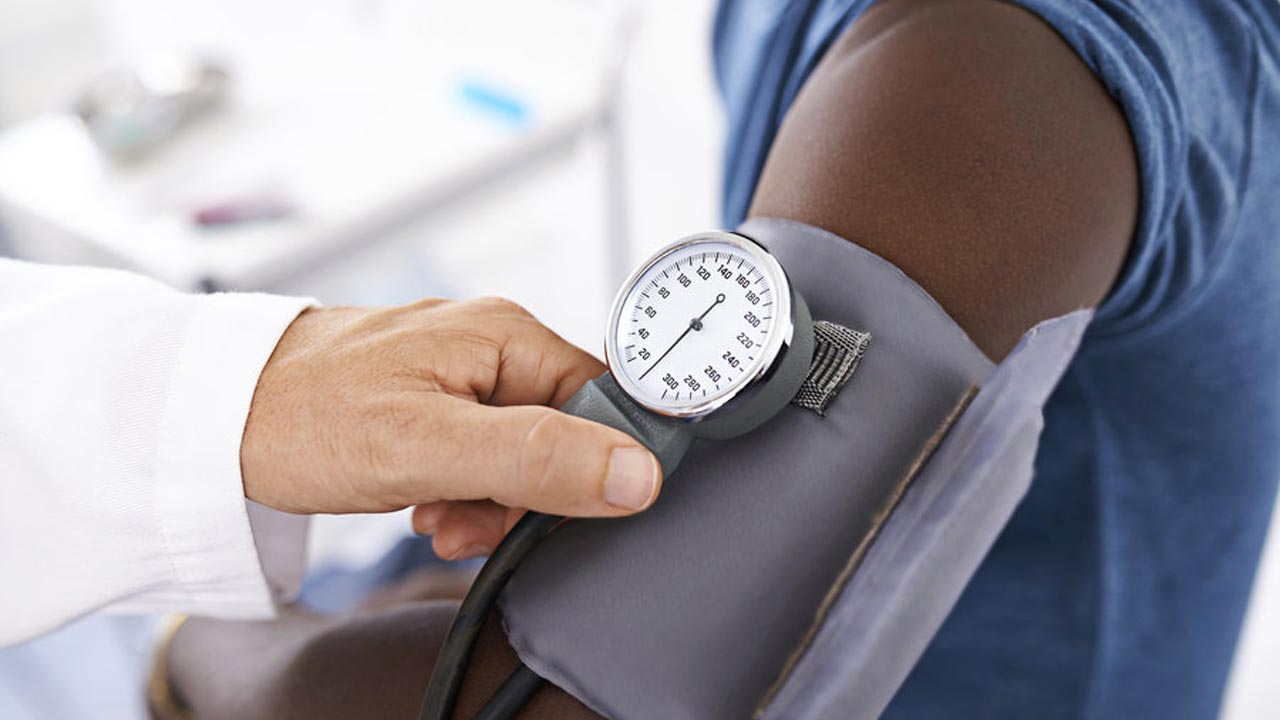
Nigeria’s Silent Crisis: Confronting the Realities of Hypertension and Diabetes
Amidst Nigeria’s wide-ranging public health challenges, two chronic conditi…

The Practicality and Benefits of Paying Ward Coat Allowance to Medical Professionals
In the evolving landscape of medical education and healthcare practices, th…